



Stop Just “Heating” Your Fabric
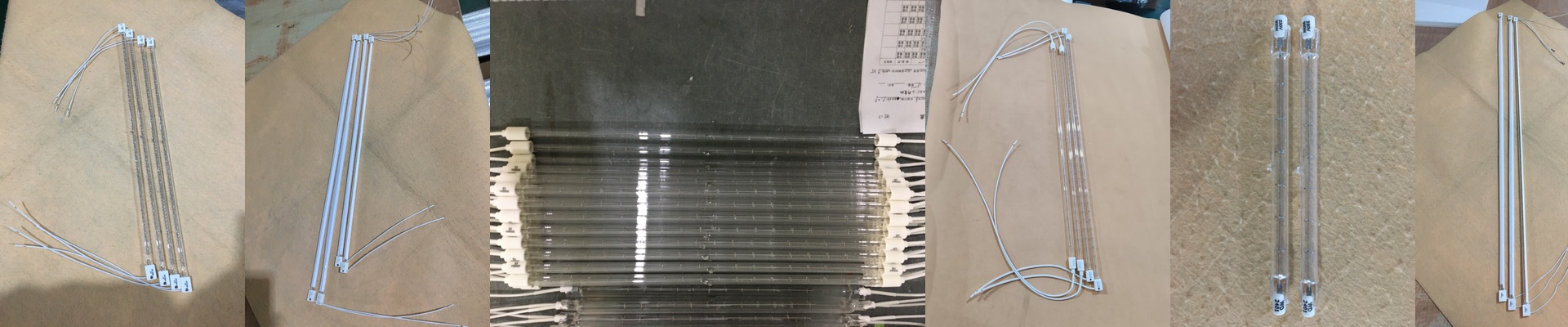
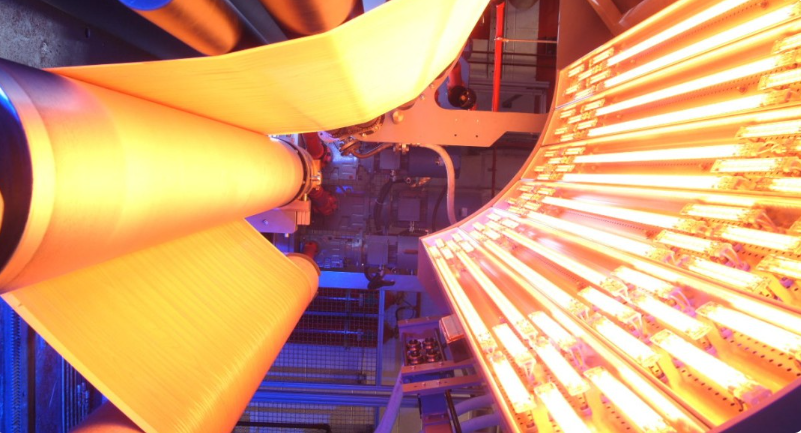
Anyone can get a piece of fabric hot. That’s the easy part. The real headache? Keeping that heat consistent across a high-speed conveyor without ruining the material. In the world of Textile 4.0, we’ve moved past basic heating. Now, it’s all about precision. It’s the difference between scorching the surface of your cloth and actually getting the energy deep into the fibers where it belongs. The grit of heat density When we pick a lamp, we look at the thermal mass of your specific textile. For synthetic blends, a high-wattage quartz tube is usually the way to go—it hits hard and fast. But here’s the catch: those lamps pull a lot of power. If you’re running a 230V or 400V system, your wiring has to be up to the task. If your voltage drops, you get cold spots. And cold spots lead to “striping” in your finished fabric, which is basically a recipe for a wasted batch. Picking the right glass and light We use high-purity quartz because it doesn’t crack when the temperature swings wildly. Then there’s the light itself. Some of our lamps have coatings that change how the heat hits. Short-wave IR digs deep into thick weaves. Long-wave IR just skims the surface. You’ve got to match the wave to the material, or you’re just wasting electricity. To keep things simple, we stick with standard connectors like R7s or Sk15. Why? Because when a lamp finally burns out, you want to swap it in seconds and get the line moving again. No one likes downtime. The trade-offs you should know about Blasting your fabric with high heat density speeds up production, sure. But it’s a bit of a double-edged sword. It puts a lot of stress on your reflectors. If they get dirty or pitted, you’re throwing away 30% of your energy. It’s like trying to shine a flashlight through mud. Plus, you need a solid cooling system. If you can’t pull the heat away from the lamp ends, your connectors will literally melt. We build these tools to survive the chaos of a real factory. As long as your airflow can handle the wattage, these things will chew through your workload without breaking a sweat.