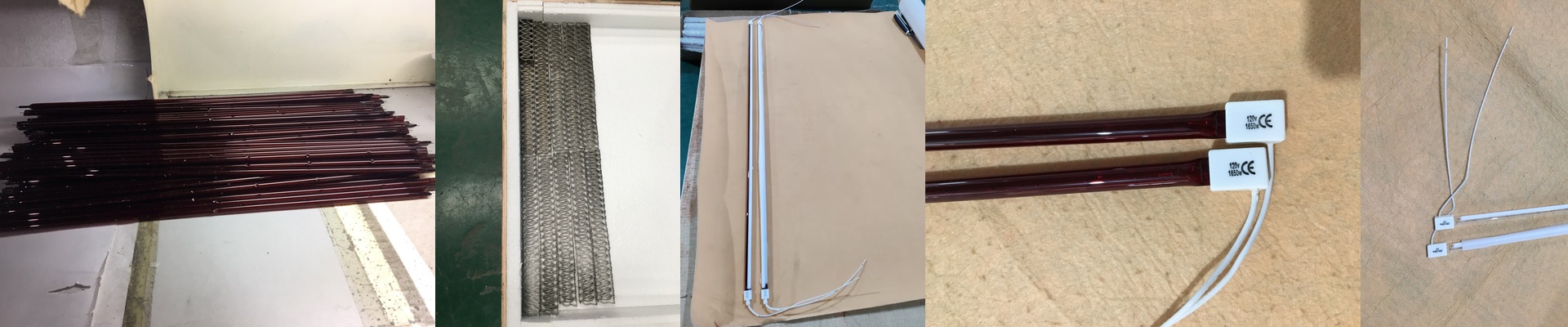
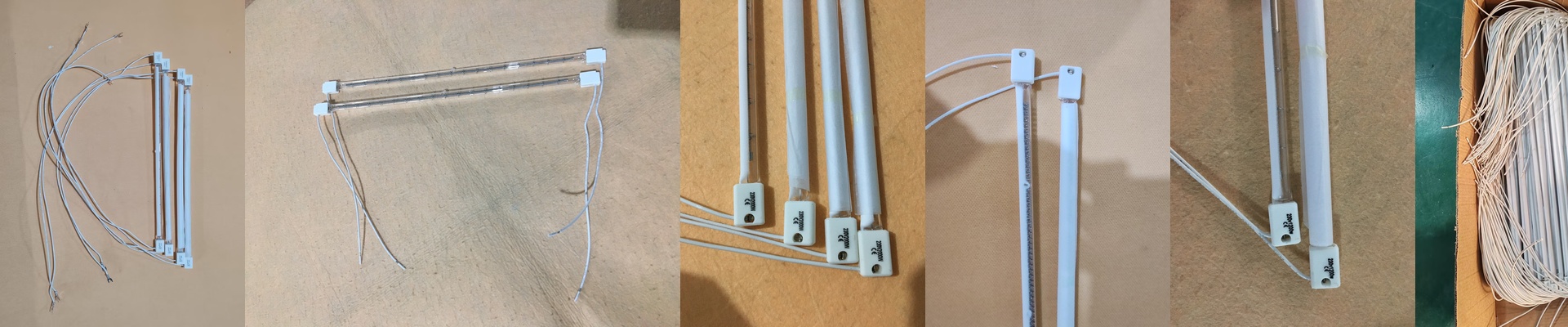
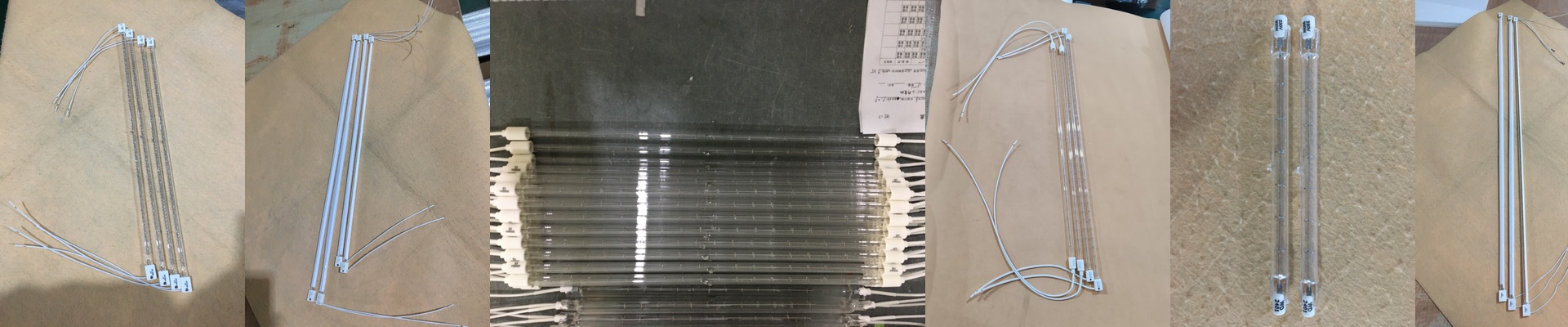
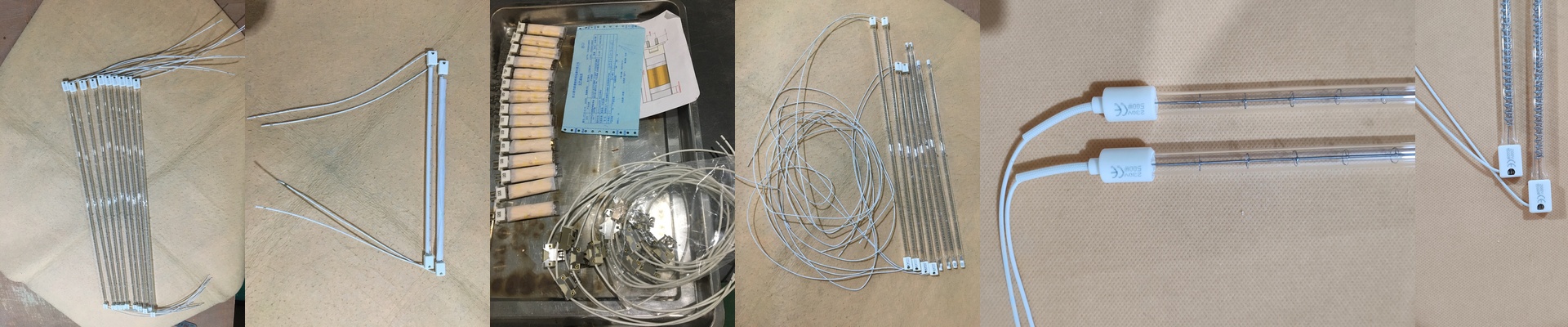
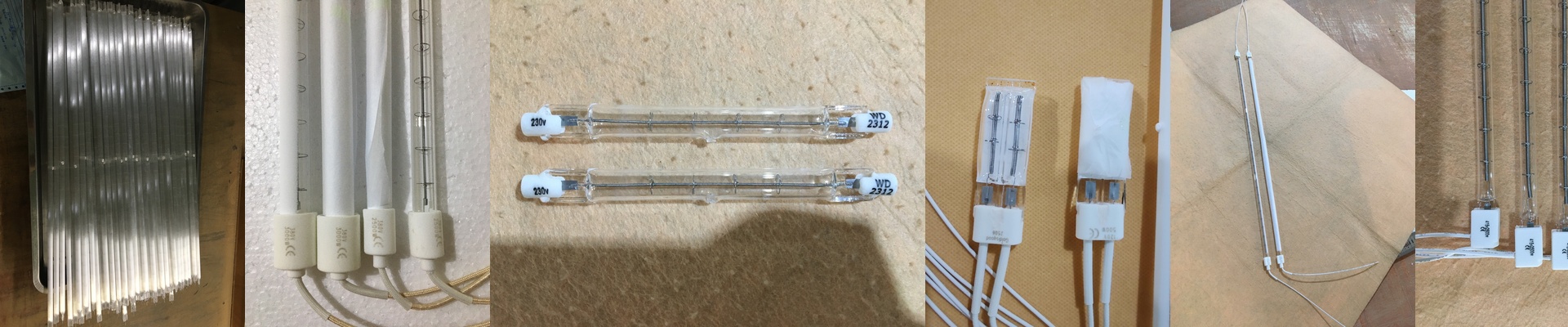
The 650mm 230V 800W Ruby Quartz Halogen Heat Lamp: Heat That Actually Works
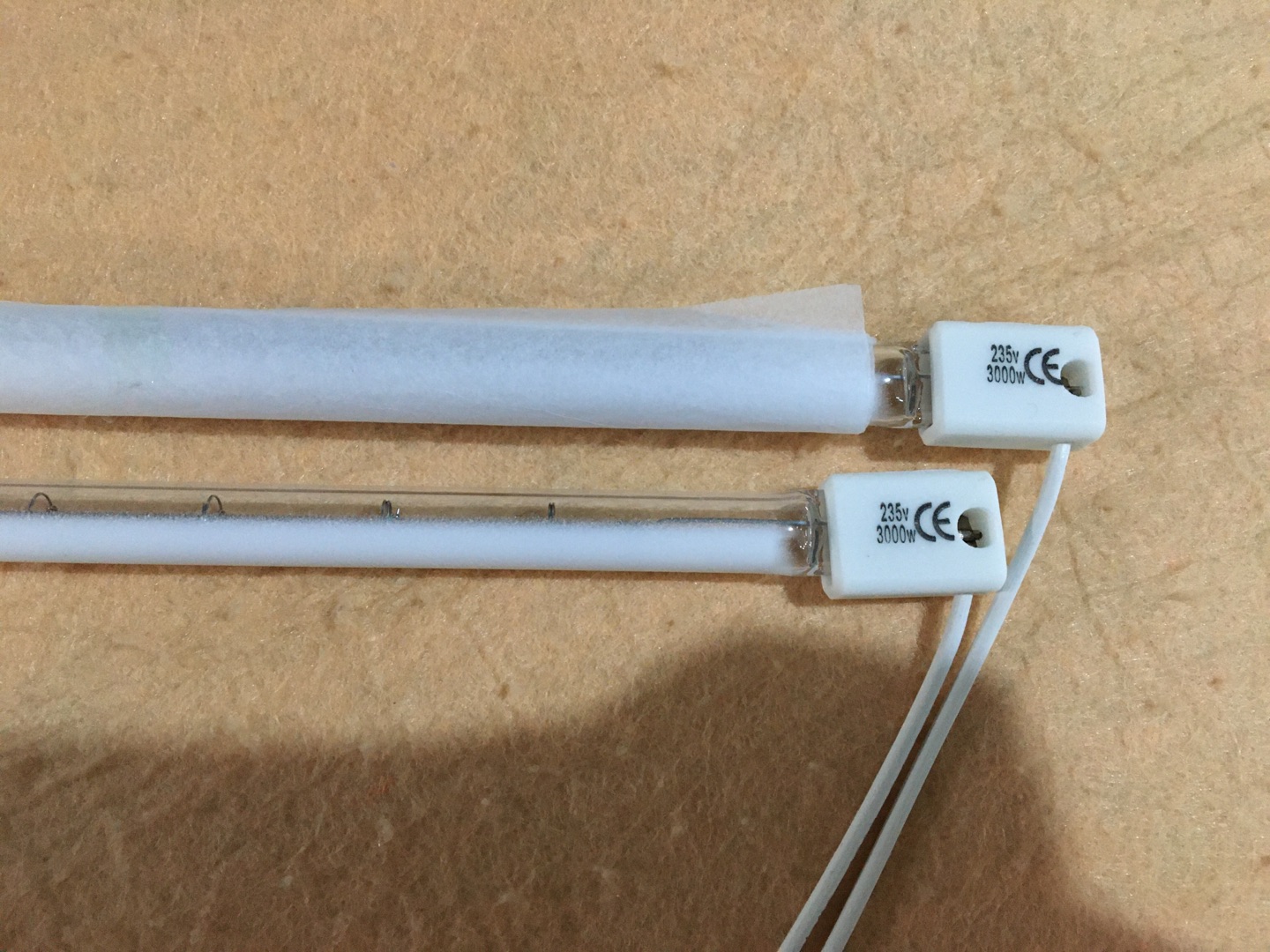
We built this lamp for one reason: to give you precise, focused heat in places where space is tight and you can’t afford guesswork. Think industrial heating—where you need serious power right now, but you don’t want to rewire the whole place to get it.
Power, Voltage, and Size—Why It All Matters
Here’s the thing about the 800W rating. It’s the kind of sweet spot that makes life easier. You get enough punch to heat things fast, but it won’t overload a standard 230V outlet. No heavy-duty electrical overhaul needed. And that 650mm length? Not random. It gives you a long, even radiating surface. That means the heat spreads out more evenly, so you don’t get those harsh hot spots that can ruin a process. Plus, the size makes it a natural fit for existing equipment—where a compact footprint is non-negotiable.
What’s Inside: The Halogen, Quartz, and Coating Breakdown
The halogen cycle is doing the quiet work here. It keeps the filament stable by putting material back where it belongs. That’s how you get steady, reliable heat output over the life of the lamp. The quartz envelope handles the heat—no problem. It takes the high filament temperatures and doesn’t crack under rapid on/off cycling. Then there’s the ruby coating. It filters out a lot of the visible light and pushes the output toward shortwave infrared. In plain terms, that means better absorption on many plastics and coatings. It just works better where you need it most. And we didn’t make it a hassle to install. We went with standard R7s or SK15 end caps, so it drops right in as a replacement.
Where It Shines—And What To Watch For
This lamp is a solid choice for PET preform heating, thermoforming zones, adhesive curing, and drying lines—anywhere fast response and focused heat make a real difference. The 230V, 800W combo keeps the current draw manageable while still delivering the heat density you need for short cycle times. But, fair warning: that high filament temperature means you need proper ventilation and shielding in the fixture. And if you’re cycling it constantly at full power, lamp life will take a hit. Plan your maintenance around your uptime goals, and you’ll stay ahead of the curve.