Halogen Infrared Lamps for Screen Printing: Power, Design, and Application
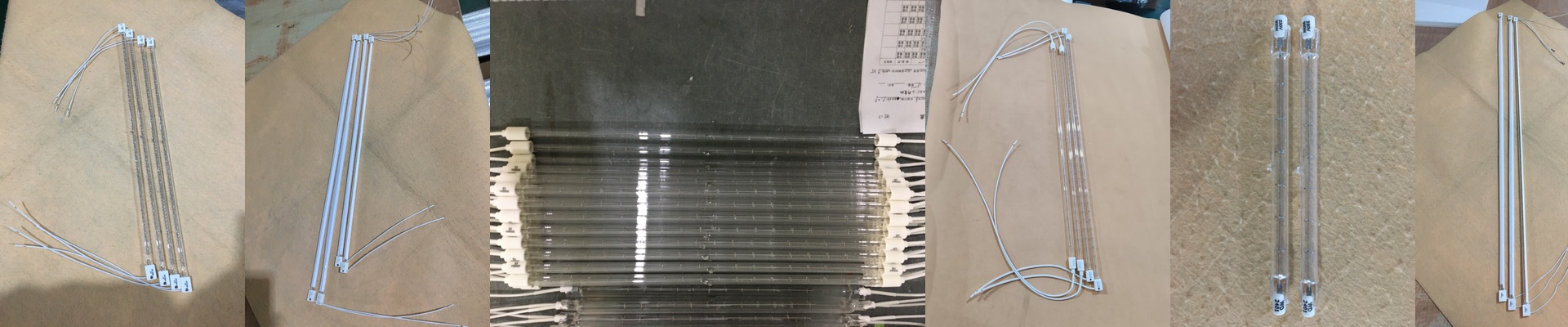
Let’s talk about the kind of heat you need when you’re screen printing—the kind that hits hard, right where you need it, and then gets out of the way. We built these halogen infrared lamps for exactly that. They throw shortwave infrared heat that dries ink fast, without turning the whole machine into a sauna.
Power, Voltage, and Size: The Practical Stuff
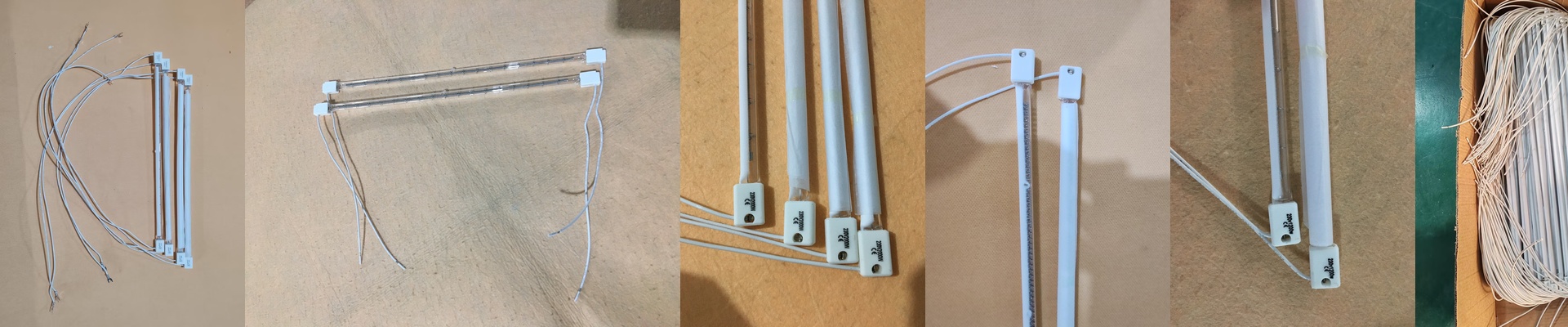
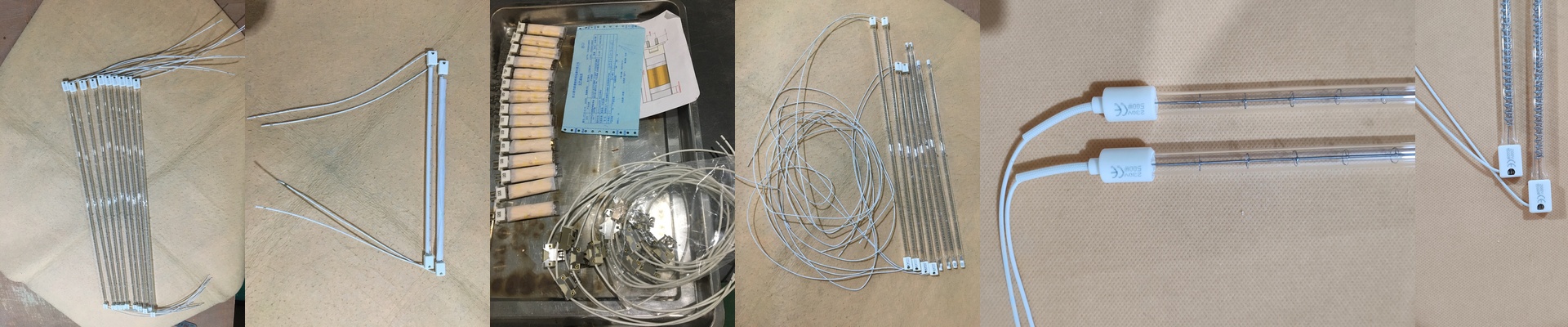
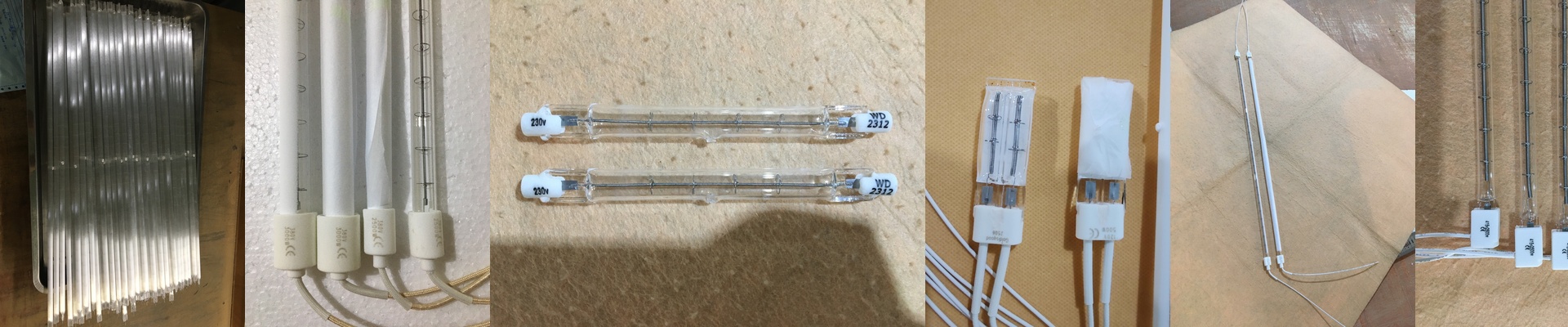
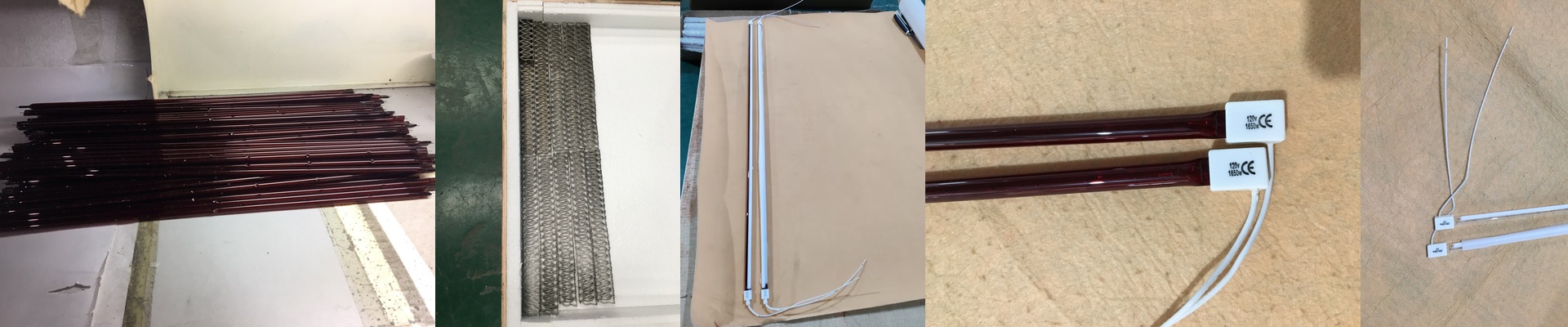
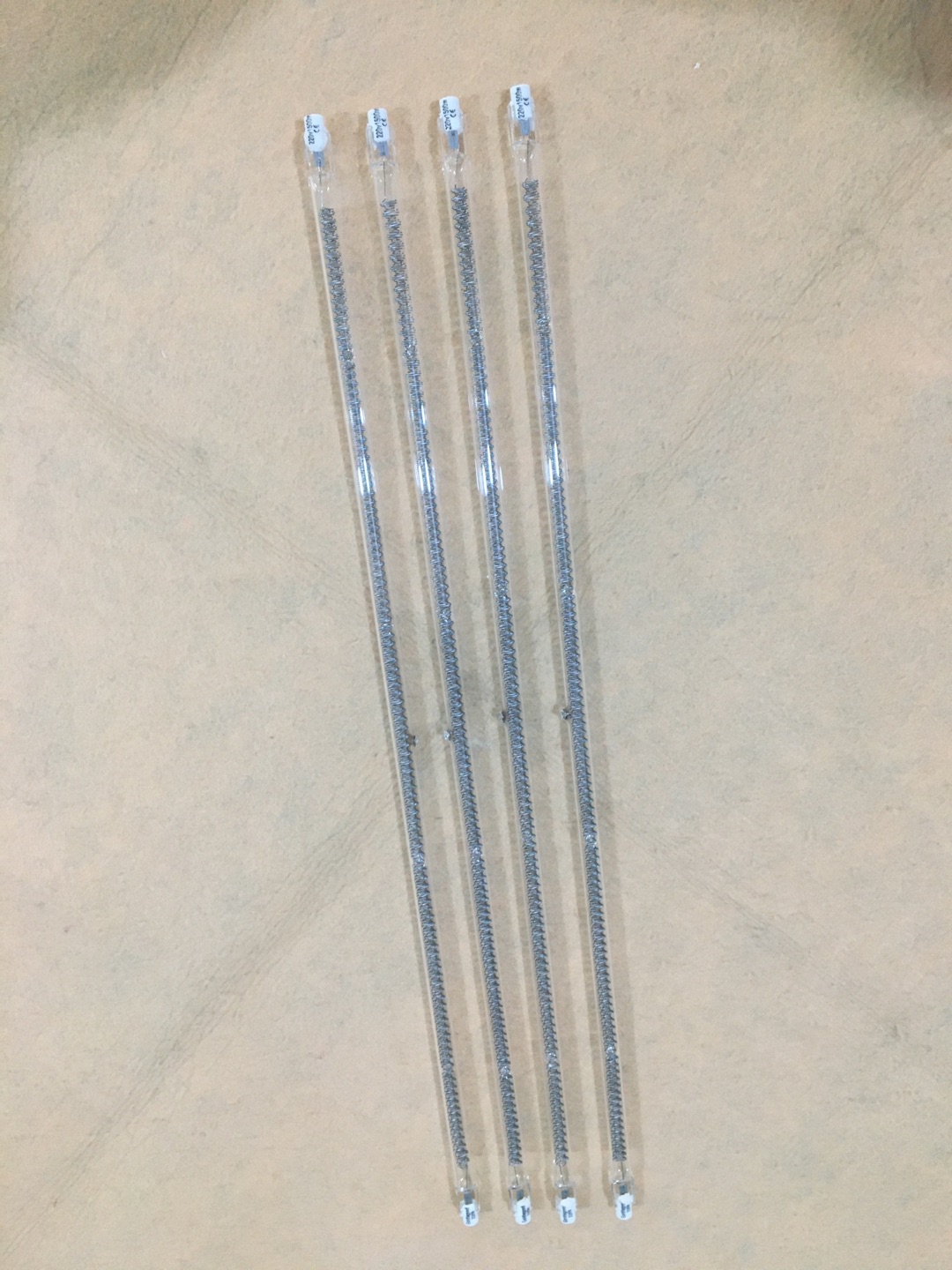
Inside, you’ve got a high-density electric heating element, sealed in a quartz envelope. You choose the lamp to match your dryer setup by picking the right voltage and wattage. Go with a 400V, 2500W unit, and you’ve got the muscle to flash-dry heavy ink deposits, even on big substrates. The tube is typically around 300mm long, which gives you a heated zone that lines up with standard print decks and curing lanes. And here’s the best part: that compact size means you can swap out old heaters as a direct replacement. No redesign. No headache. Just pop it in and get back to work.
Material and Design: Built to Handle the Grind
Halogen technology keeps the filament stable through a regenerative chemical cycle inside the tube. That means the lamp resists blackening and holds steady output over time—no fading performance as the hours pile up. Quartz glass takes the thermal shock of rapid start-stop cycles in stride, and it delivers infrared efficiently. The shortwave output focuses the energy right where it matters: on the ink surface. So you get a fast cure without heating up the whole machine. We pair the lamp with an R7s connector because it locks the tube end-to-end and handles high current safely. On a screen-printing line, that translates to a quick wire-up and a connection that’s solid, mechanically and electrically. The glass coating helps shape the spectral output and protects the element, but let’s be real—these lamps run hot. Plan your airflow and clearances accordingly.
What It Feels Like on the Floor
In screen printing, you’re chasing one thing: a repeatable cure window. These halogen infrared lamps ramp up fast, so the press can run at higher speeds without sacrificing print quality. And when it’s time to swap a lamp, the R7s connection keeps maintenance simple. Less downtime. Fewer interruptions. Now, the trade-off is heat density. A 2500W, 400V lamp packs a lot of heat into a small area, so your machine’s cooling and shielding need to be up to the task. When everything lines up, you get consistent drying, color that stays stable, and fewer rejects. That’s the feeling you want at the end of the day: steady output, less fuss, and work that just keeps moving.