A Real-World Look at Halogen Quartz Heating
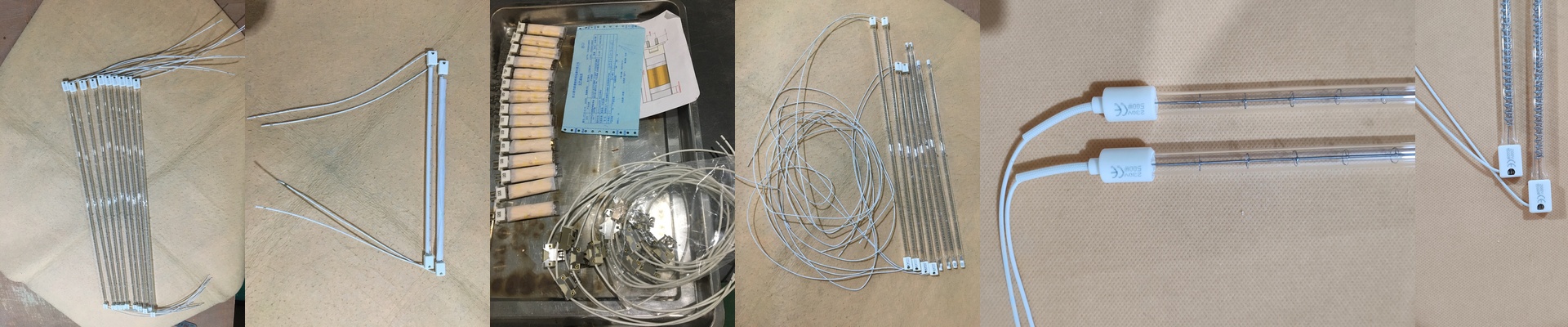
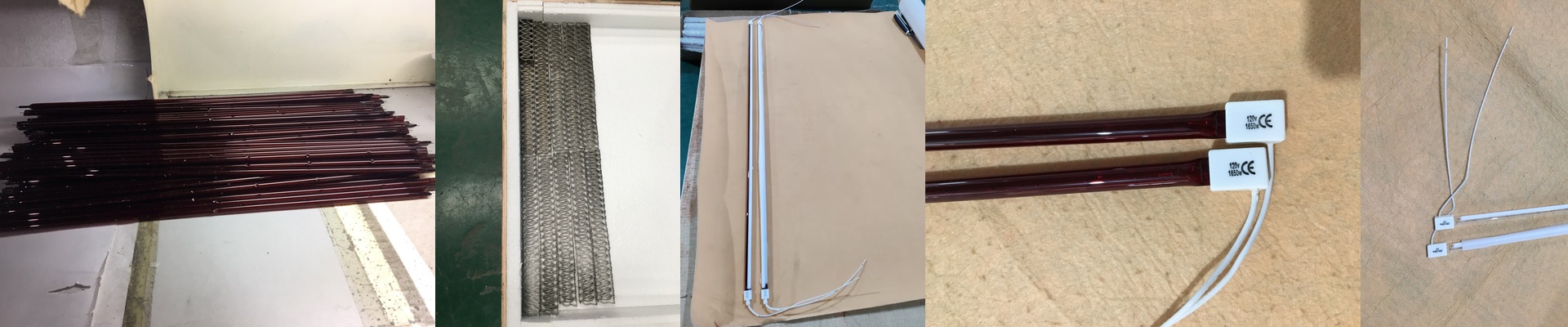
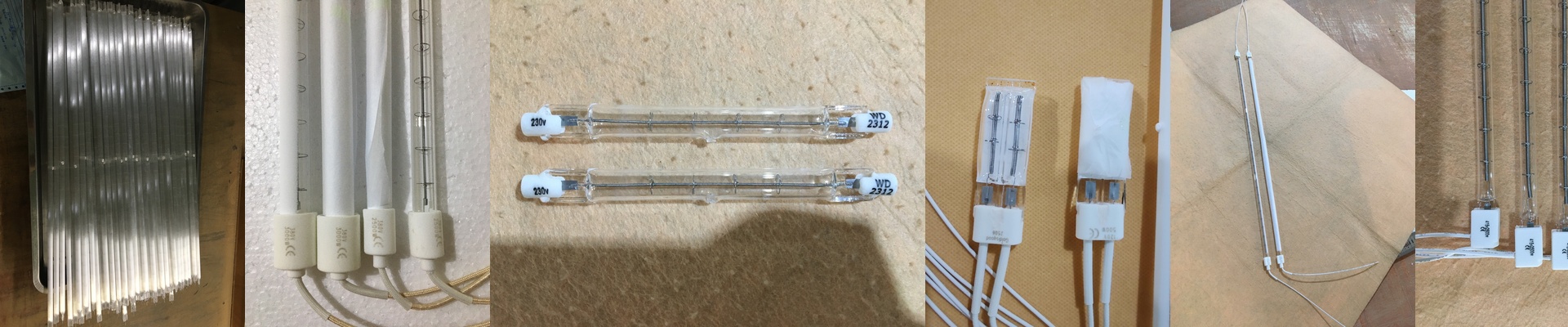
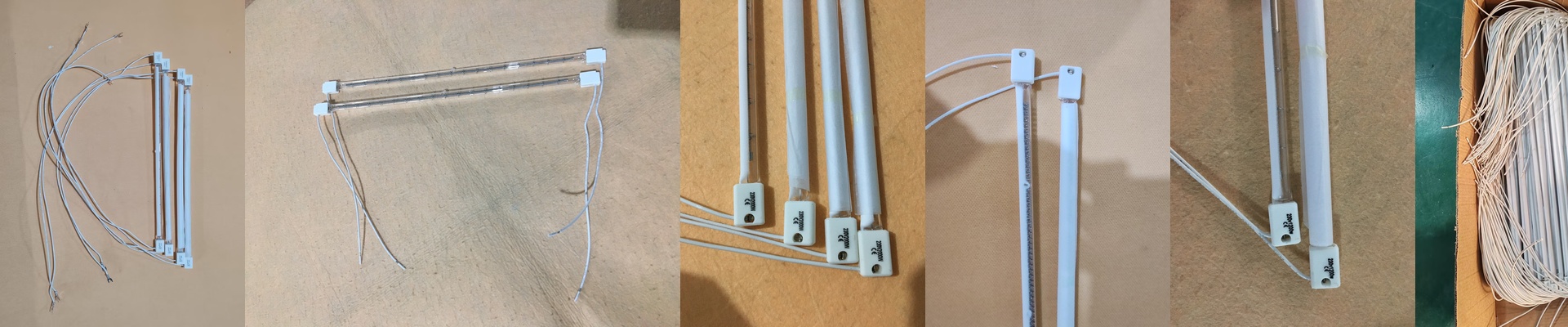
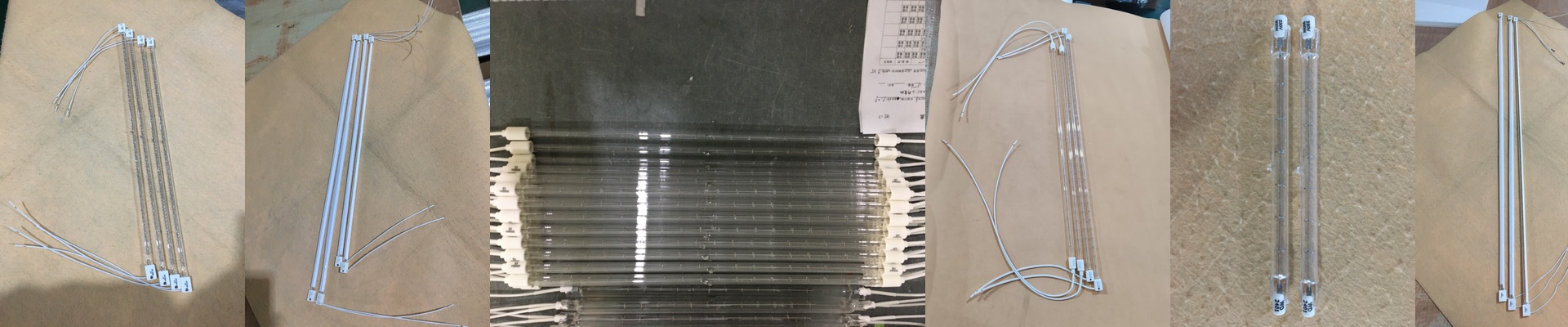
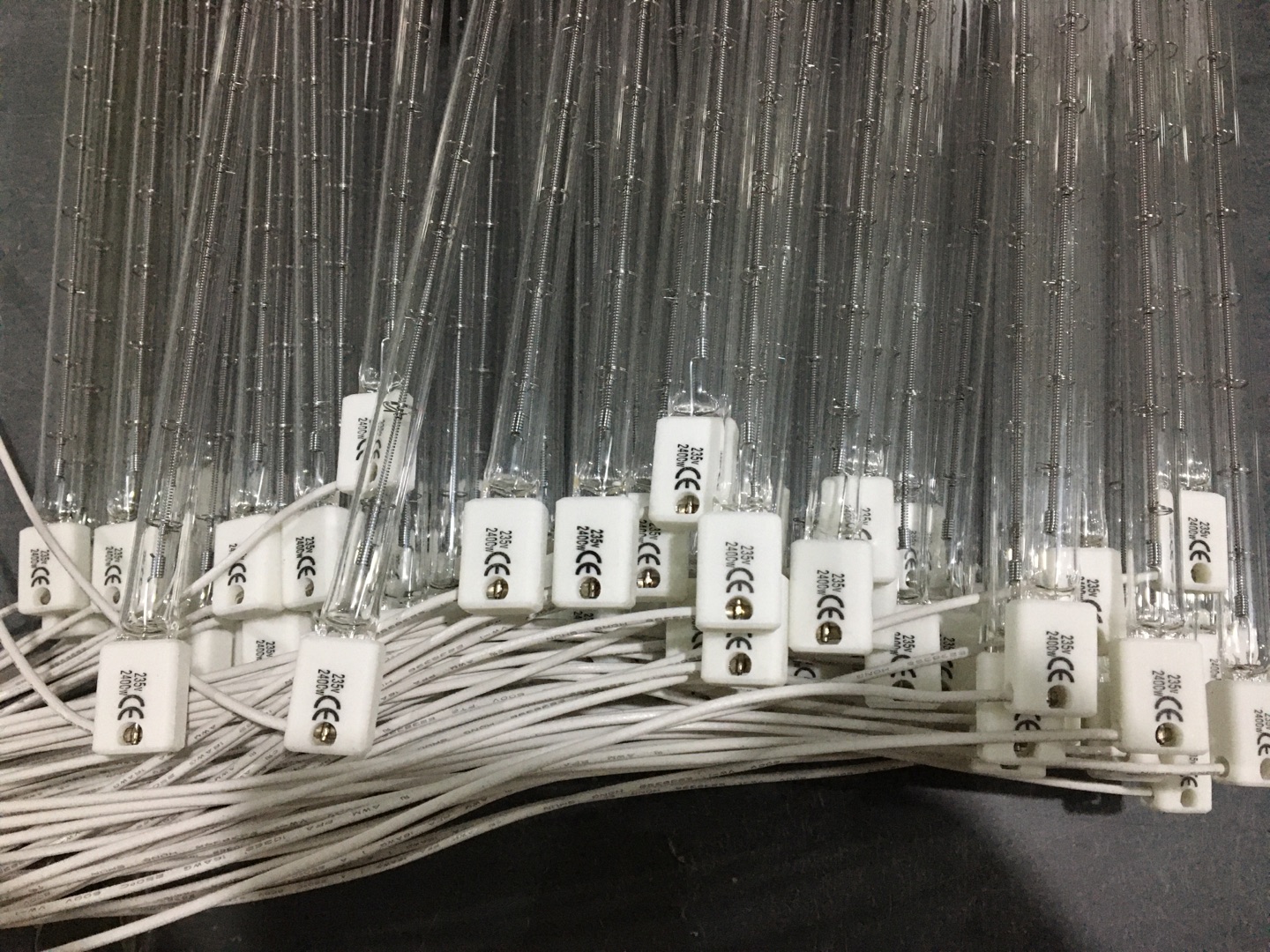
Ever wonder how those high-intensity heaters actually work? It’s pretty straightforward. We take a tungsten filament, tuck it inside a high-purity quartz tube, and fill the whole thing with a specific halogen gas mix. Here’s the trick: that gas keeps the filament from evaporating too quickly. It means we can crank up the heat way higher than a standard bulb without the whole thing just burning out. Getting the power right When it comes to voltage and wattage, it’s all about how much heat you need hitting your target. If you go with a high-voltage tube, you’re getting a lot more power packed into every millimeter. It’s fast. Really fast. Which is exactly what you want when you need your thermal process to ramp up in a heartbeat. But you’ve got to be careful with your power supply. If you over-volt it, you’ll kill the filament. If you under-volt it, the halogen cycle never actually kicks in, and you’ll end up with a blackened, useless tube. It’s a balancing act. The materials and the “fit” We use quartz because it doesn’t get in the way. It lets those short-wave rays pass right through. Depending on what you’re heating, you can stick with clear quartz or go for a coated version. The coating basically tweaks the light so it hits the “sweet spot” of whatever material you’re working with. As for the plugs, we use standard R7s or Sk15 connectors. They just slide right into most industrial ovens. No fuss, no weird adapters, and most importantly, no electrical arcing at the terminals. The trade-offs (The “Watch Out” part) You’ll see these lamps everywhere in PET blowing or rapid curing. The magic here is that the heat sinks deep into the plastic. It warms the core, not just the skin. Plus, it’s instant. No waiting around for a coil to warm up. But—and this is a big but—quartz is fragile. Seriously, a single fingerprint or a tiny smudge of oil on the glass can create a hot spot. Once that happens, the thermal stress can crack the tube mid-cycle. It’s a headache you don’t want. So, do yourself a favor: always wear gloves. And make sure your mounting brackets aren’t squeezing the glass. Give it some breathing room.