Switching Your IR Suppliers Without Breaking Your Production Line
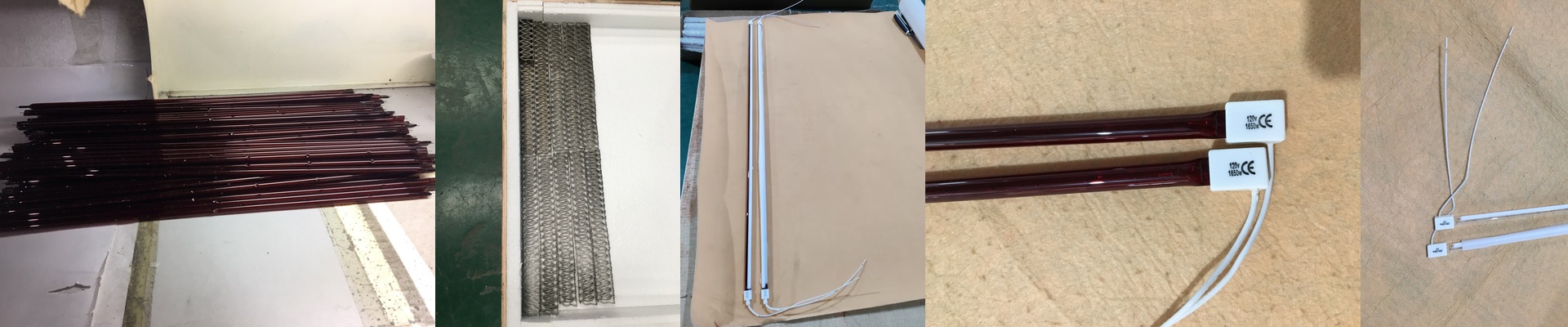
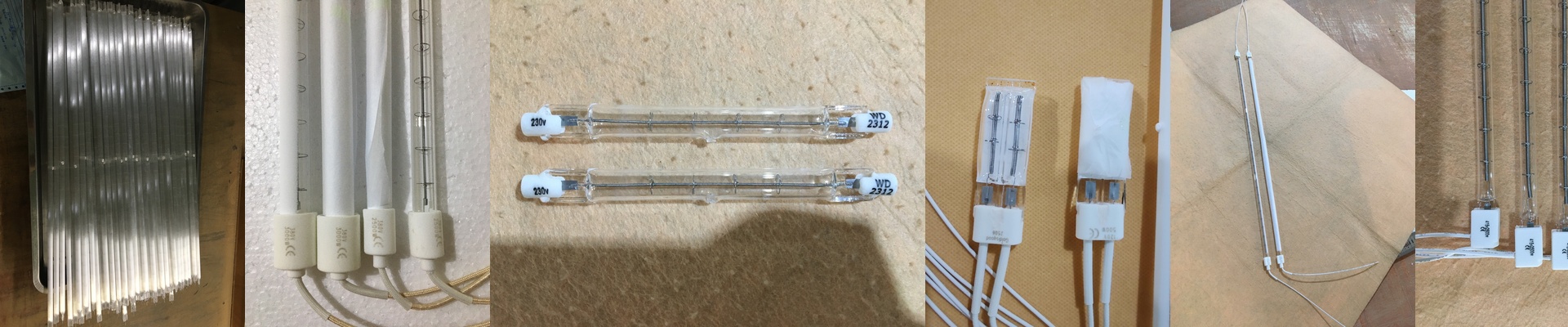
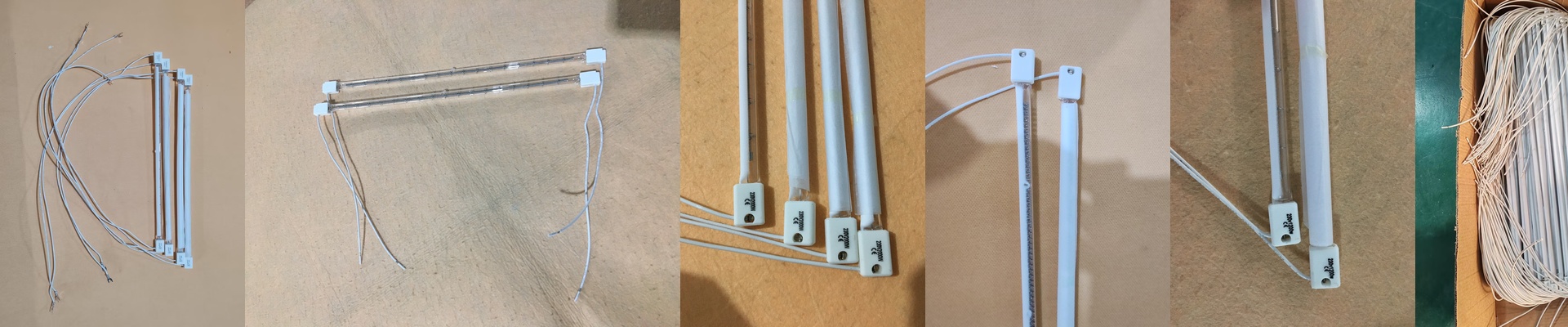
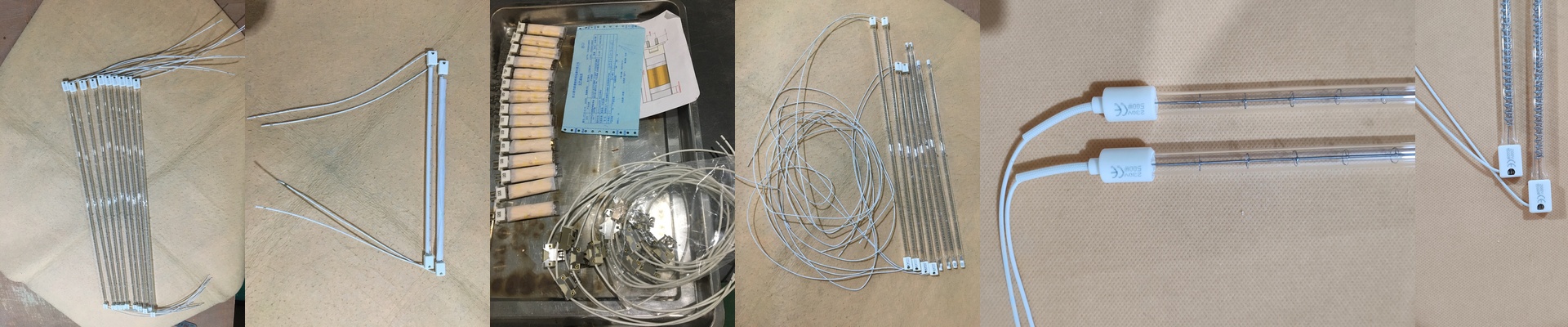
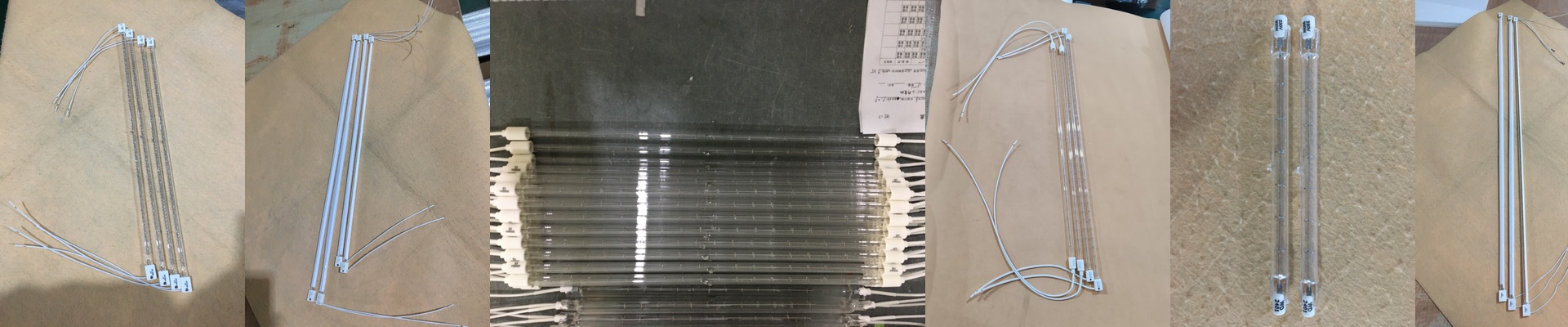
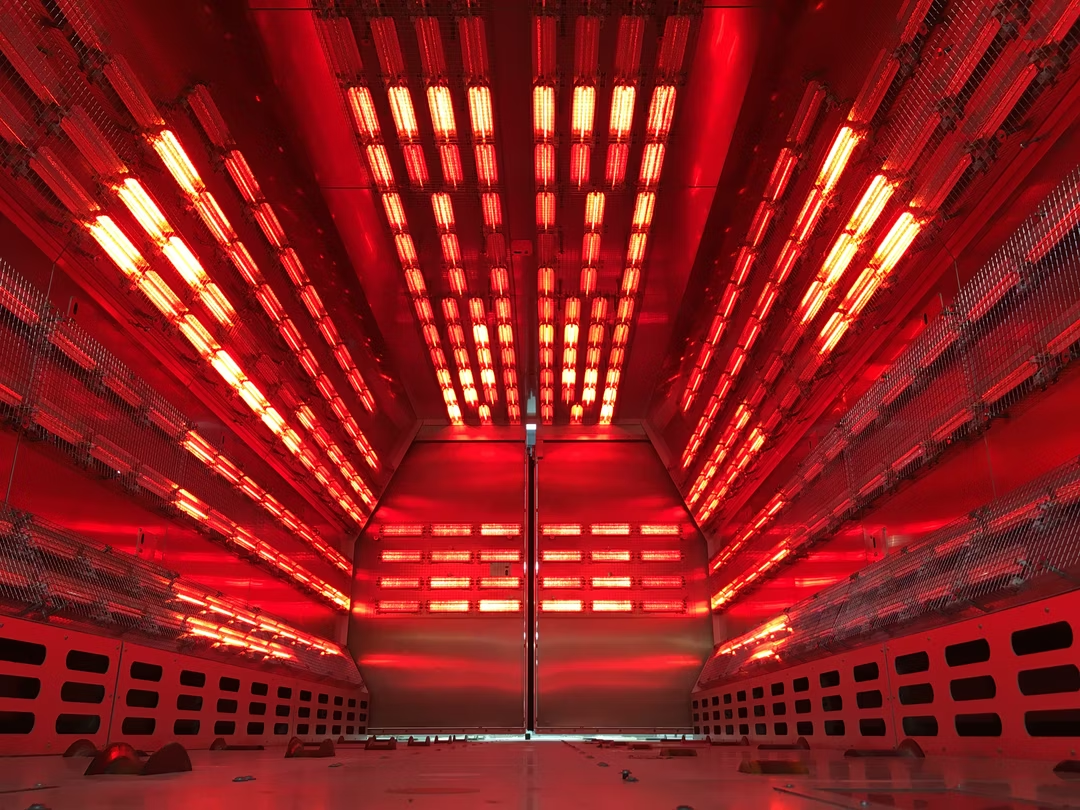
If you’re thinking about swapping your OEM infrared system for a domestic supplier, let me stop you right there. This isn’t just about hunting for a cheaper lamp. In the world of home appliance painting, a “cheap” mistake looks like a whole batch of panels with uneven curing or that dreaded “orange peel” texture. It happens all the time. Plants try to save a few bucks by swapping suppliers, but they forget to actually check if the light spectrum matches. The nitty-gritty of the switch Most of these lines rely on short-wave or medium-wave IR to get those solvents to flash off. When we move a client from a foreign brand to a local one, we obsess over the wattage density. If your original setup was 3kW per meter, the replacement has to hit that exact same thermal footprint. We don’t just look at the voltage and call it a day. We look at the filament geometry. Why? Because if the coil pitch is even slightly off, your heat distribution across the conveyor goes sideways. Getting past the “What if?” I get why engineers are nervous. Nobody wants to deal with lamps burning out every two weeks. But brochures don’t build trust. Real-world tests do. Our approach is simple: we run a side-by-side trial. We put the domestic tubes in one zone and leave the OEM ones in the next. Then, we grab a pyrometer and hit five different spots across the belt to check the surface temp of the metal. If the difference is under 3°C? You’ve got a drop-in replacement that actually works. The honest trade-off Here’s the thing. Domestic lamps usually nail the heat output, but the quartz glass can be a bit different. You might find they’re a little more sensitive to physical shocks during installation. You’ve got to be gentle when wiring them up so you don’t stress the glass seals. It’s a small detail, but it matters. At the end of the day, the data tells the story. Once you see that the curing time is solid and your scrap rate hasn’t budged, the brand name on the lamp doesn’t really matter anymore.