Why 24V Makes Your Life Easier
We built this tungsten halogen lamp around 24V for one simple reason: control. It lets you run the heater straight off a compact transformer, so the current stays manageable and the wiring stays clean. No more hauling around heavy-gauge cables just to get the heat you need. That means less time on the install and less money sunk into parts. And the payoff? The heat is steady, and it responds quickly when you tweak your control system. You get repeatable heat profiles, shift after shift, right there on the shop floor.
The Inside Story: Quartz and Halogen
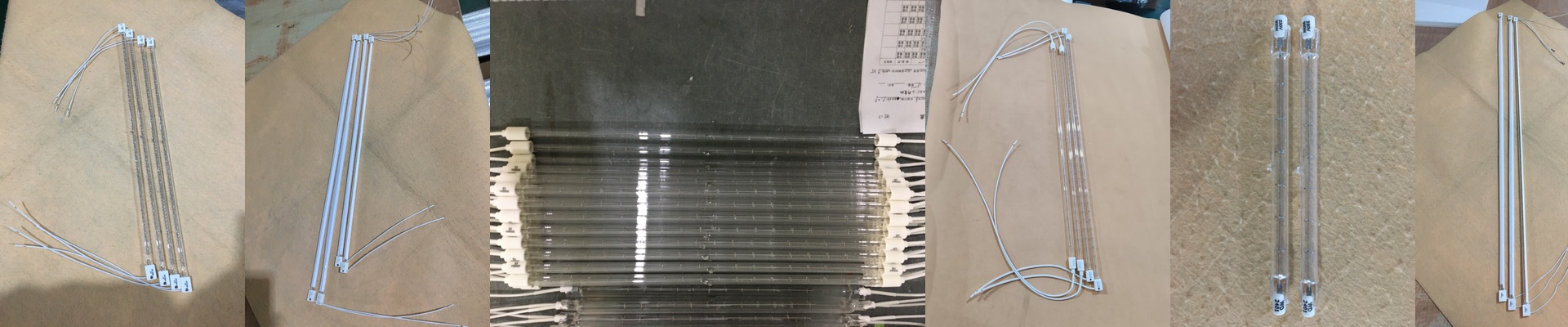
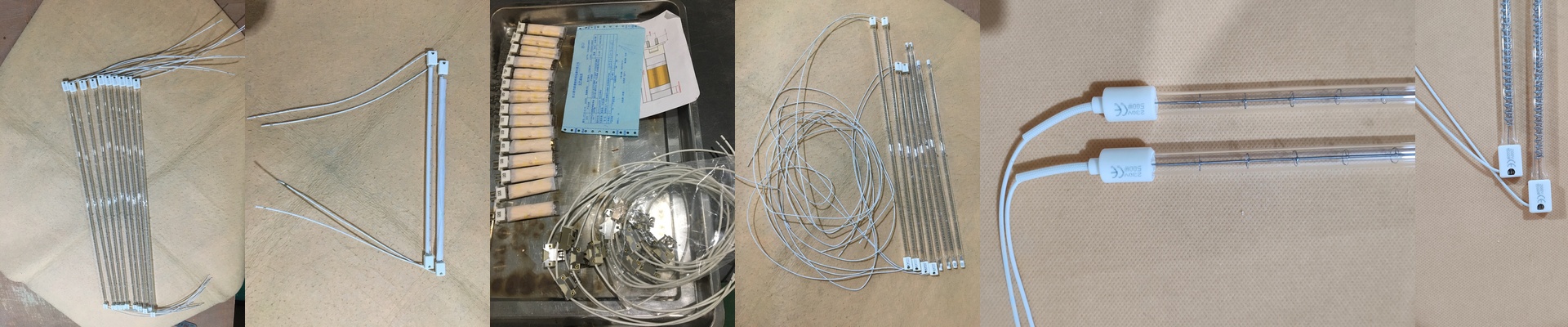
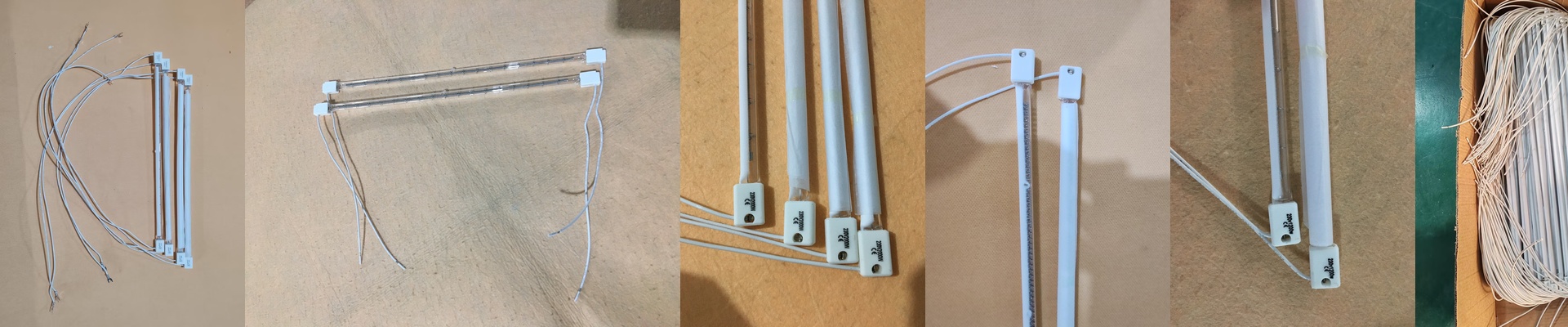
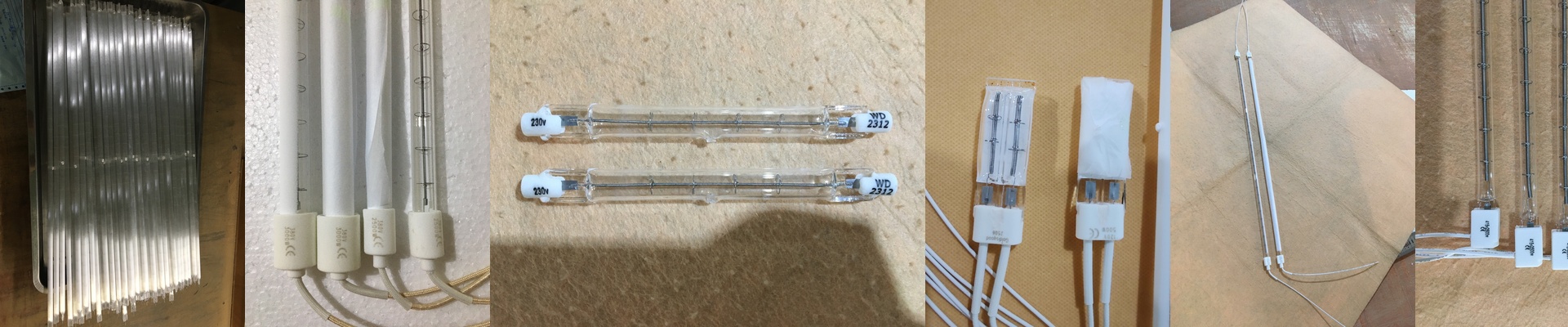
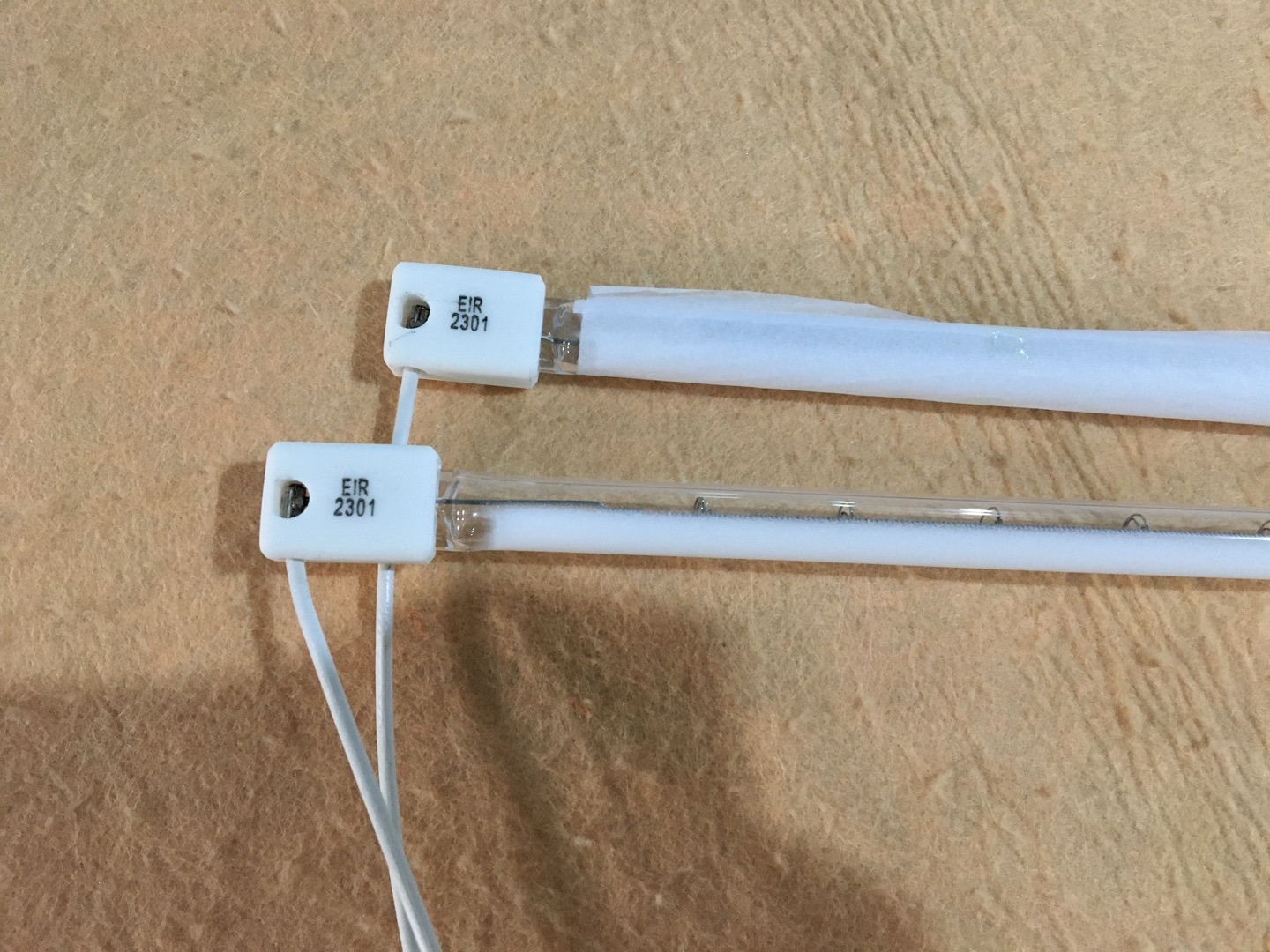
Inside, you’ve got a tungsten filament living in a quartz envelope, surrounded by a halogen gas mix. That halogen cycle does the heavy lifting, keeping the filament from blackening and helping the lamp last. Quartz handles the high temps without softening, and it sends infrared energy through efficiently. Then there’s the R7s base—double-ended, direct-connect. It anchors the lamp solidly and carries the full current without needing extra sockets. Fewer contact points means fewer points of failure. When it’s finally time to swap a lamp, it’s a straightforward drop-in. No fuss.
Where It Shines—and What to Keep in Mind
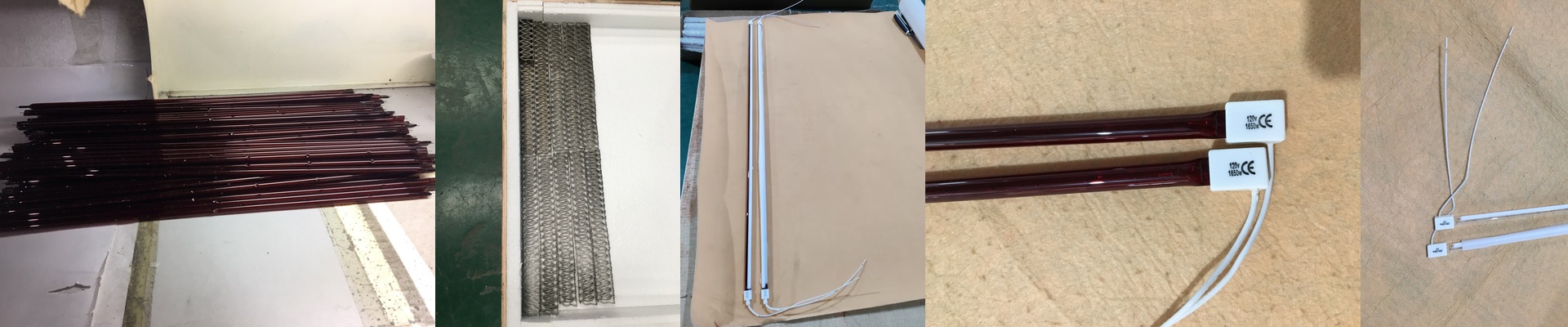
This setup was made for high-temperature industrial heating. You’ll see it in PET blowing, plastic thermoforming, and component drying—anywhere you need a concentrated blast of heat in a tight spot. The tungsten filament throws intense infrared that you can focus on the target area, so you get serious heat density without taking up a lot of room. But here’s the trade-off: it runs hot. Really hot. So your surrounding equipment needs to be rated to handle that radiant heat. Plan your clearances and cooling ahead of time. If you’re an engineer, this lamp is a reliable, serviceable heating element that works cleanly with the control voltage systems you already have in place.