Getting Your IR Lamps Right for Powder Coating
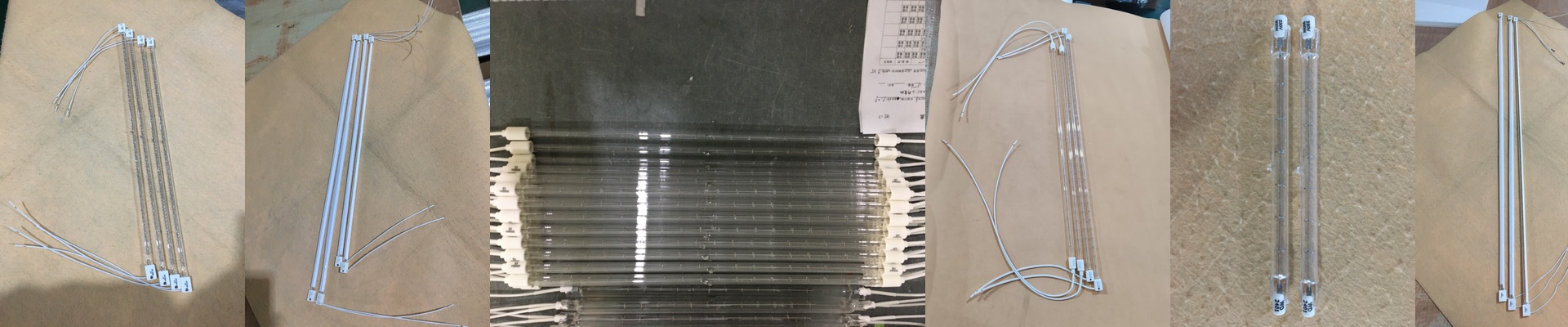
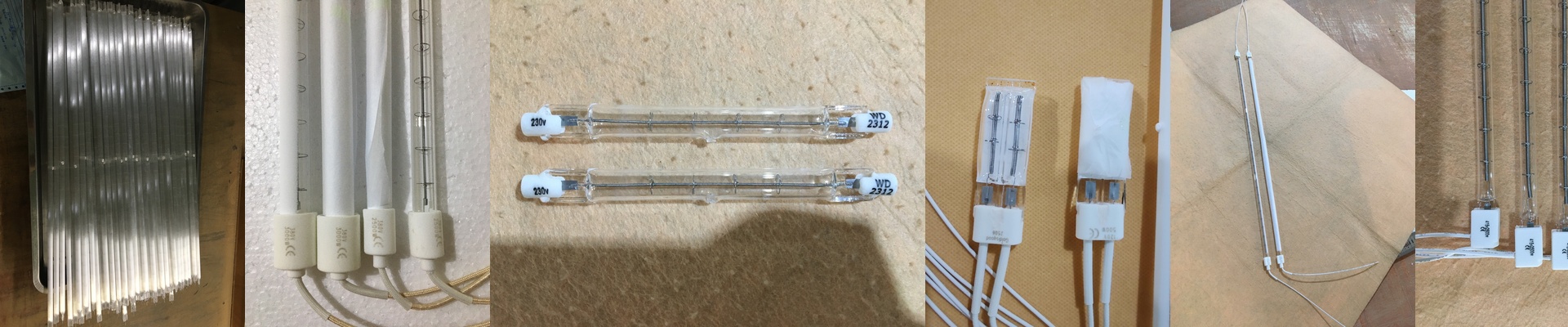
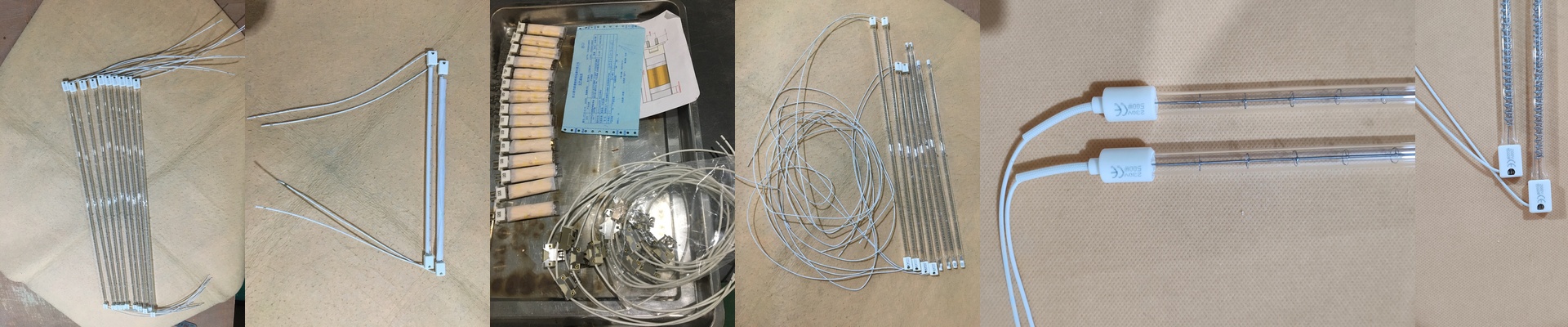
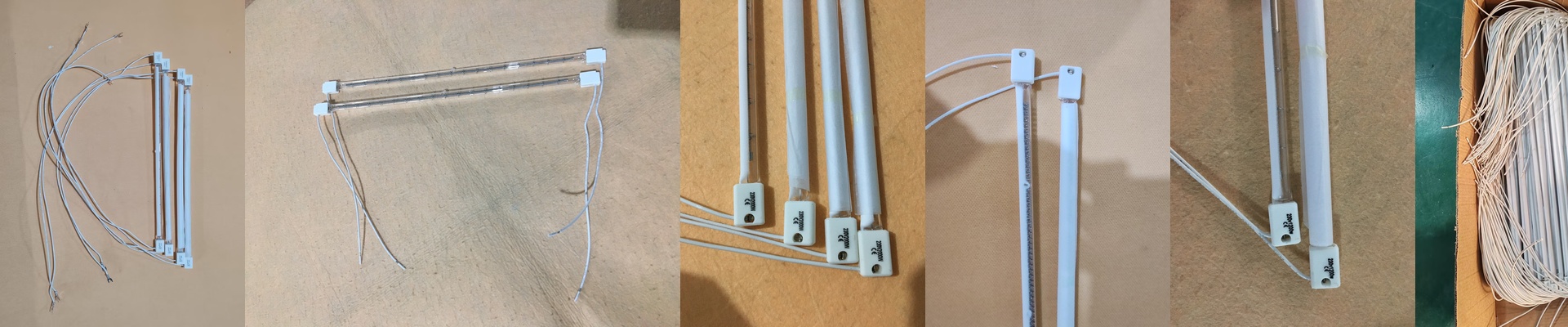
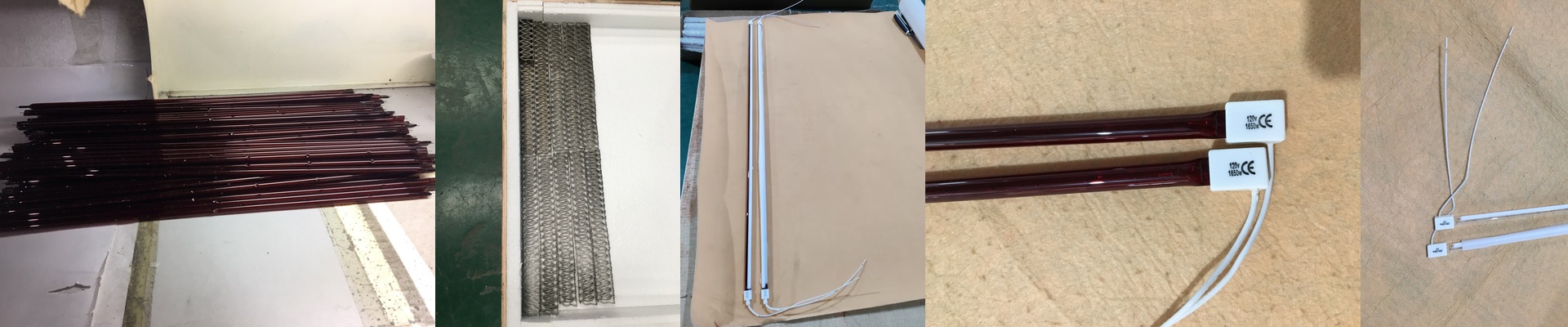
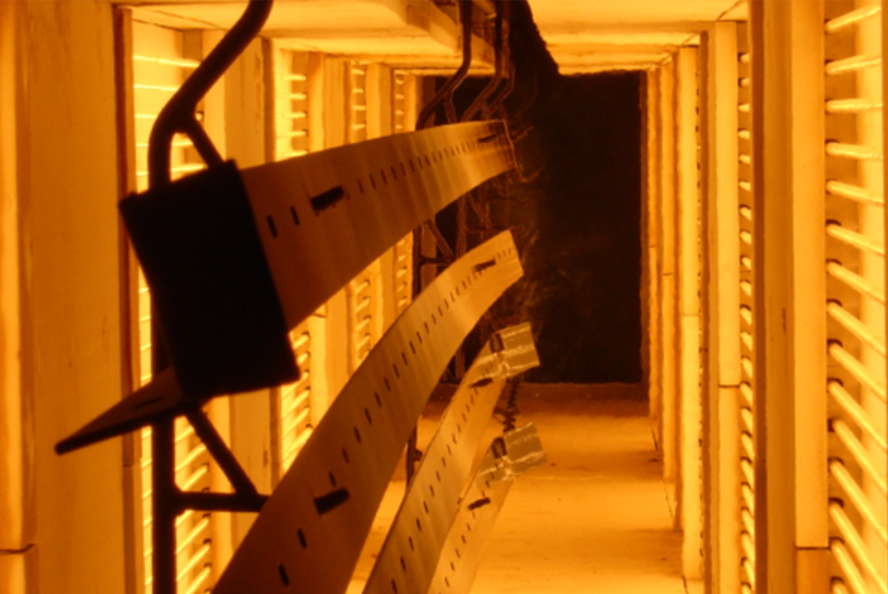
We spent some time visiting 2,000 powder coating shops. A lot of them. And we noticed a pattern: most standard heating setups just aren’t cutting it. Whether it’s patches of uneven curing or lamps that pop way too soon, the problem is usually the same. The design doesn’t actually fit the way the shop moves. So, we took all that dirt-under-the-fingernails data from the shop floor and built a better way to do it. Let’s talk power. To get that powder to cross-link properly, you need a specific kind of heat density. We lean toward short-wave infrared lamps because they punch through the coating quickly. But here is the tricky part: if you don’t have enough wattage per meter, your parts are going to exit the oven before they’ve actually cured. You’ve got to balance your voltage and wattage against how fast your conveyor is moving. Just a heads-up—high-wattage tubes get the job done, but they’re hungry. They put a lot of stress on your electrical panels. Make sure your wiring can handle that peak current, or you’re looking at overheated wires and a bad day. The gear that actually lasts. We use heavy-wall quartz glass. Why? Because thin glass sags when things get hot, and that’s a mess nobody wants. For connectors, we stick with R7s or Sk15 sockets. They’re basic. They’re reliable. Most importantly, your maintenance crew can swap out a dead lamp in minutes without having to dismantle the whole oven. We also often add a special coating to the quartz. It shifts the emission spectrum so the heat actually soaks into the metal part instead of just warming up the air around it. It’s just more efficient. The big trade-off. It’s tempting to crank the heat to move parts through faster. But there’s a catch. If you run your lamps at 100% capacity all the time, you’re basically inviting them to burn out. You’ll spend more time replacing tubes than actually coating parts. Our trick? Size your array so you hit your target temperature at about 80% power. It gives you a bit of breathing room and keeps your lamps alive much longer. It’s a simple tweak that saves a lot of headaches.