Technical Deep-Dive: Power, Voltage, and Geometry
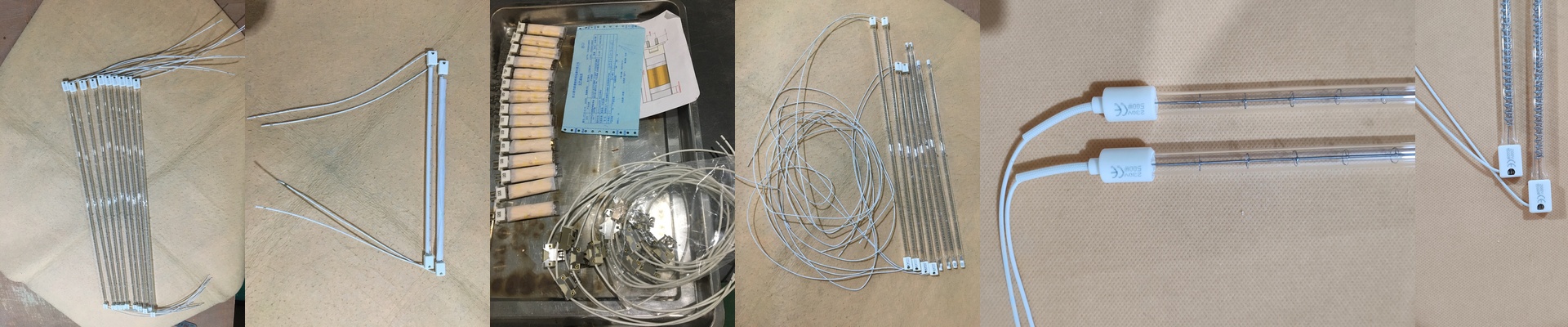
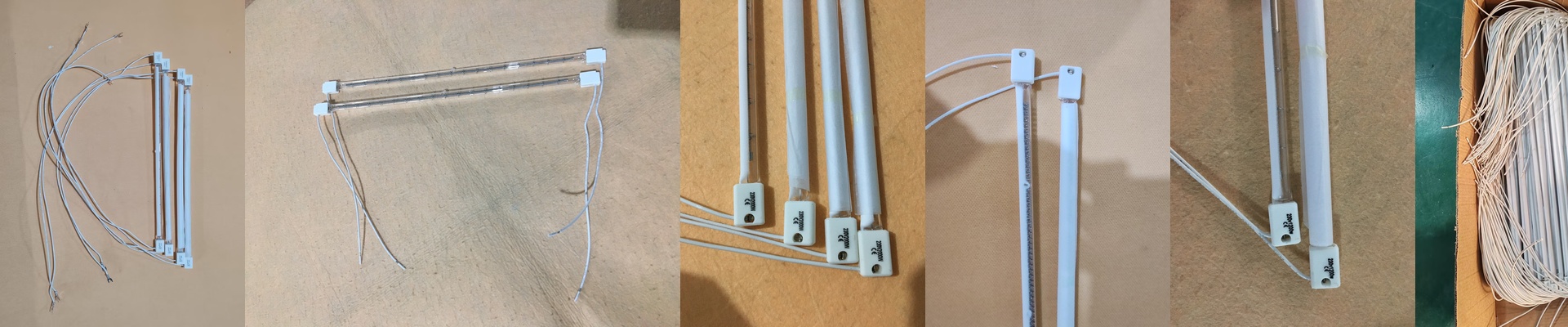
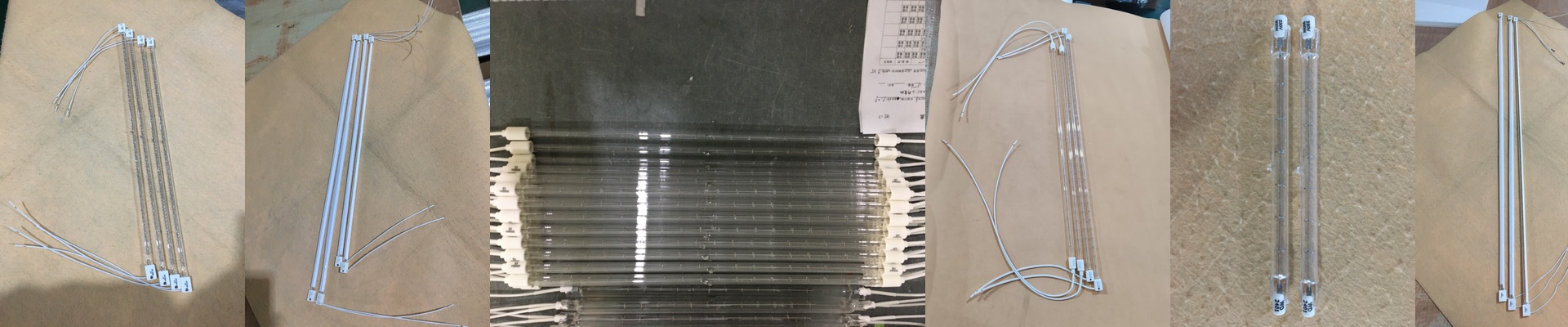
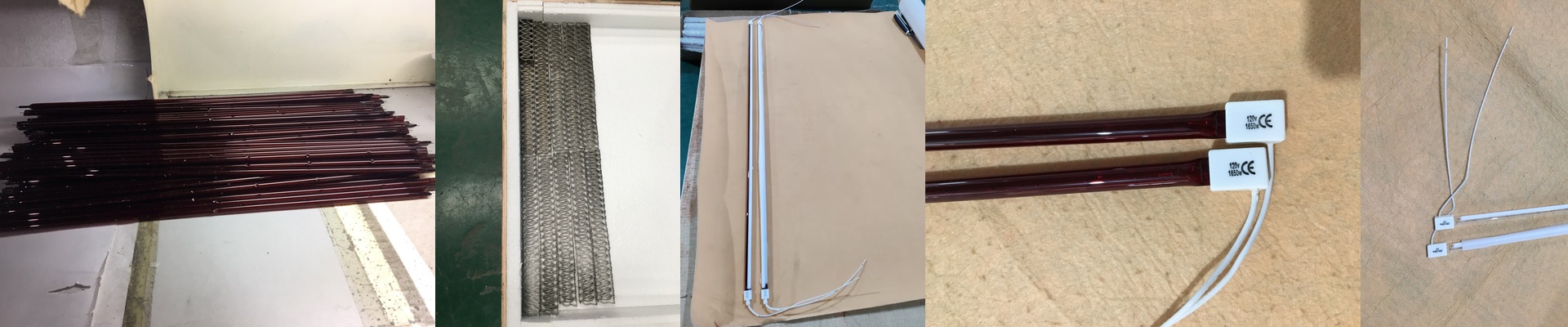
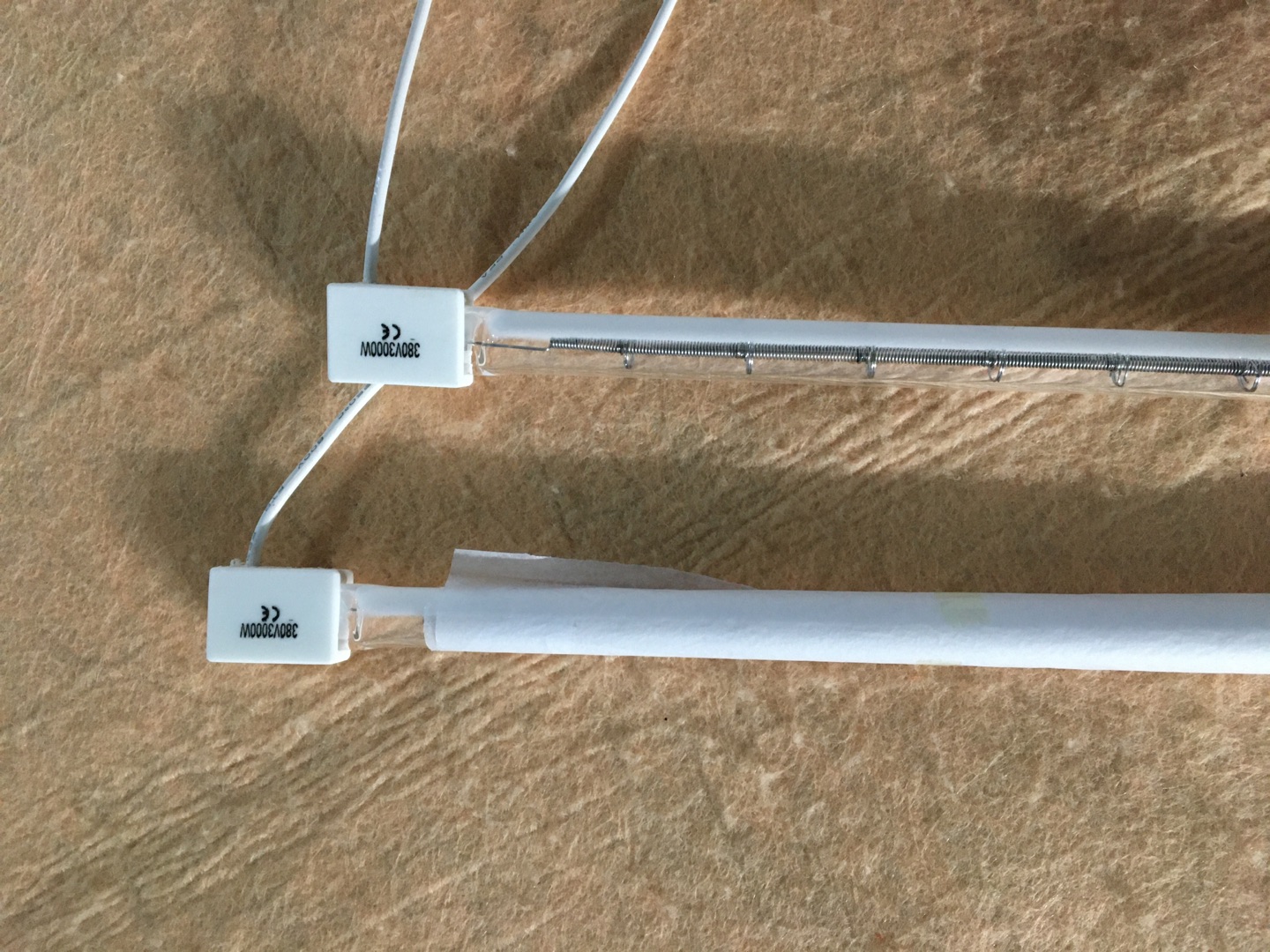
We build halogen lamps for oven heating because you need heat that responds the second you call for it. No waiting. No lag. Our standard setup hits 2500W at 400V, packed into a 300mm quartz tube. That size keeps the footprint small, so the heat goes right where you want it—on the target—instead of wasting energy warming up the oven chassis. And the high-voltage design? It drops the current draw for the same power, which makes life easier when you’re running dense heating arrays. Less stress on conductors and terminals. Just a cleaner, calmer install.
Material and Design: Halogen Cycle, Quartz, and Connectors
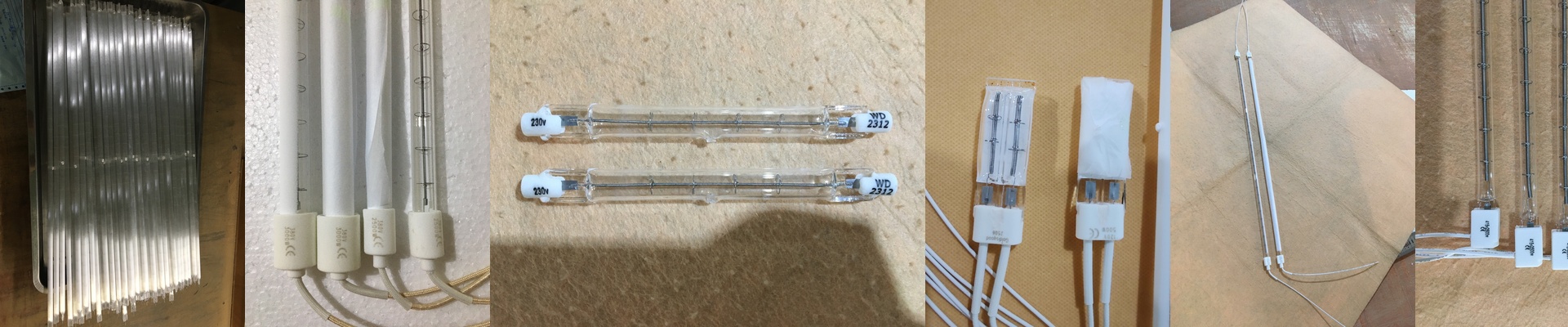
Here’s the magic: the halogen cycle keeps the filament stable by pulling evaporated tungsten back onto the filament. So performance stays steady over long runs, and you don’t get that annoying blackening that kills output. The quartz envelope is tough enough to handle rapid on/off cycling—no flinching under thermal shock—and it lets short-wave infrared through cleanly. For mounting, we use an R7s base. It’s straightforward, secure, and lines up fast in the fixture. No special tools. It just holds tight, even when vibration and repeated maintenance are part of the routine.
Application and Benefits: Oven Heating Without Lag
In oven heating, you need heat on demand, not after a long warm-up. Halogen lamps get to target temperature fast, so you can dial in zones precisely and cut idle time. Because it’s direct-radiant heat, the energy goes straight to the surface you’re heating. Direct. Efficient. But there’s a trade-off: that concentrated heat density means you need solid cooling and airflow in the machine to keep component temps in range. For engineers, it’s a practical, serviceable heating element that installs like a standard lamp and runs predictably—day after day—in continuous industrial cycles.