High-Intensity Curing for Advanced Composites
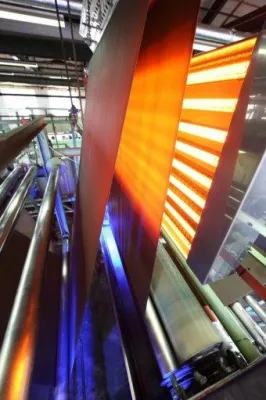
We built this infrared lamp from the ground up for one reason: to cure high-end carbon fiber composites fast. And clean. The whole point is to get that resin fully cross-linked without the extra weight or warping you often get with standard oven curing. You need a heat source that can keep up with the speed and precision of modern composite layup. That means delivering intense, focused energy right where you need it.
The Power Behind the Process
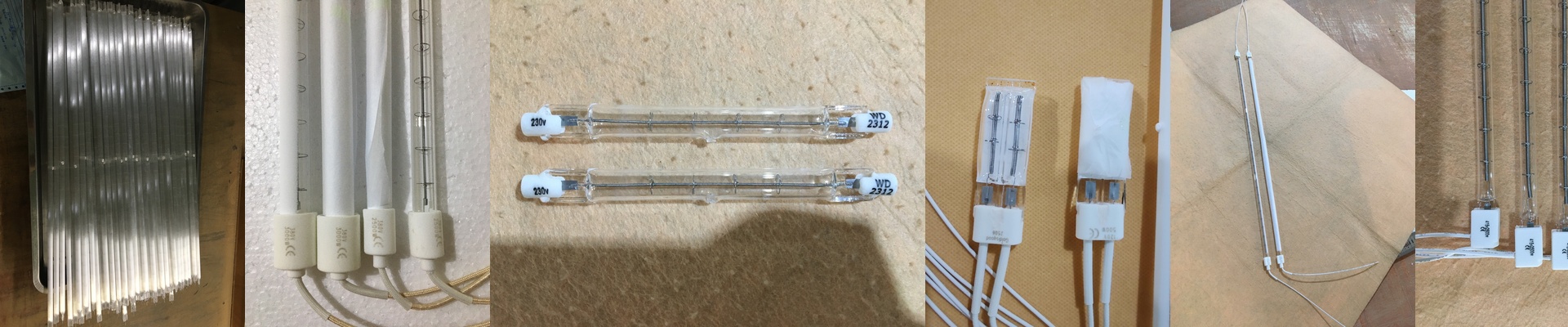
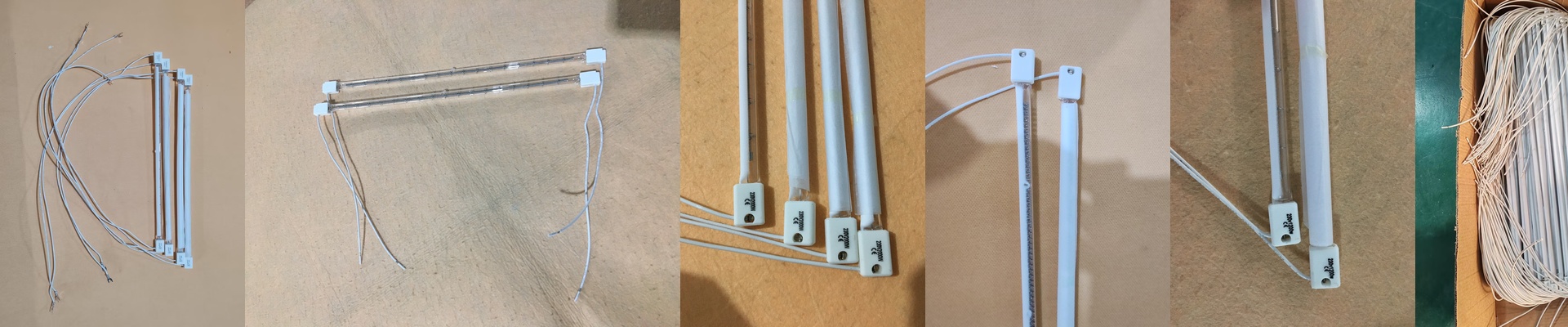
Here’s the setup: 400V, 2500W. It packs a serious punch into a 300mm heating zone. This isn’t by accident. The power density is what gets the resin matrix into the curing sweet spot in seconds, not minutes. And the 400V input? That’s a smart choice for industrial lines. It lowers the current draw and cuts down on power loss, especially over longer cable runs. The 300mm length is just right for standard layup tools, so you get a consistent, repeatable heat profile across the whole surface.
Built to Take the Heat
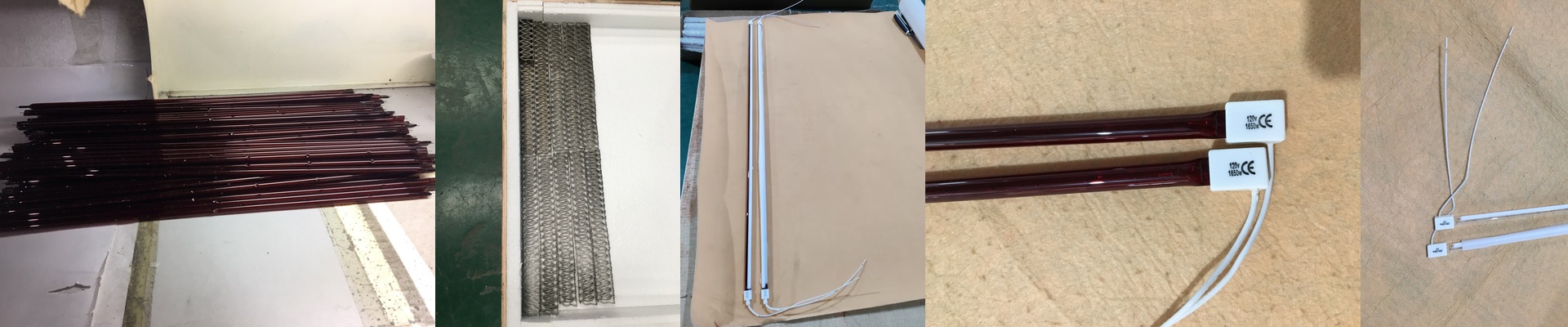
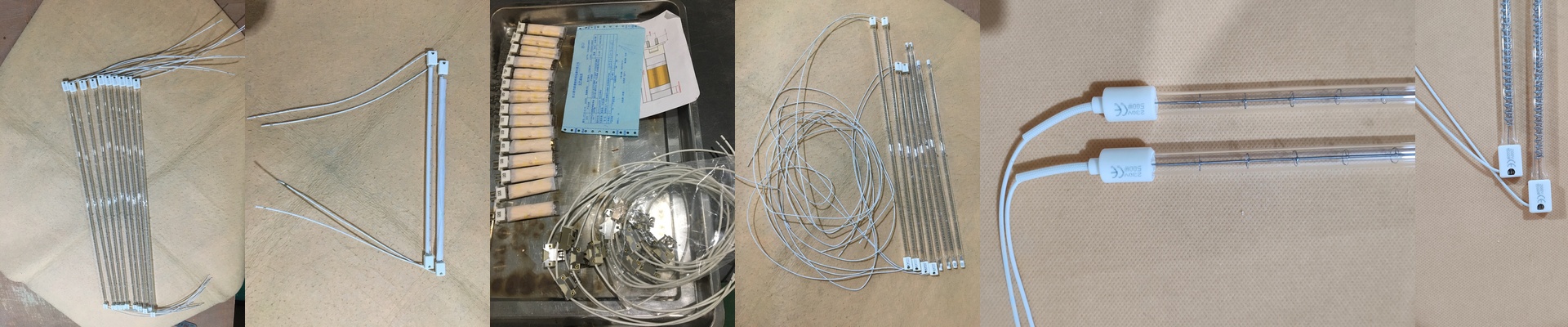
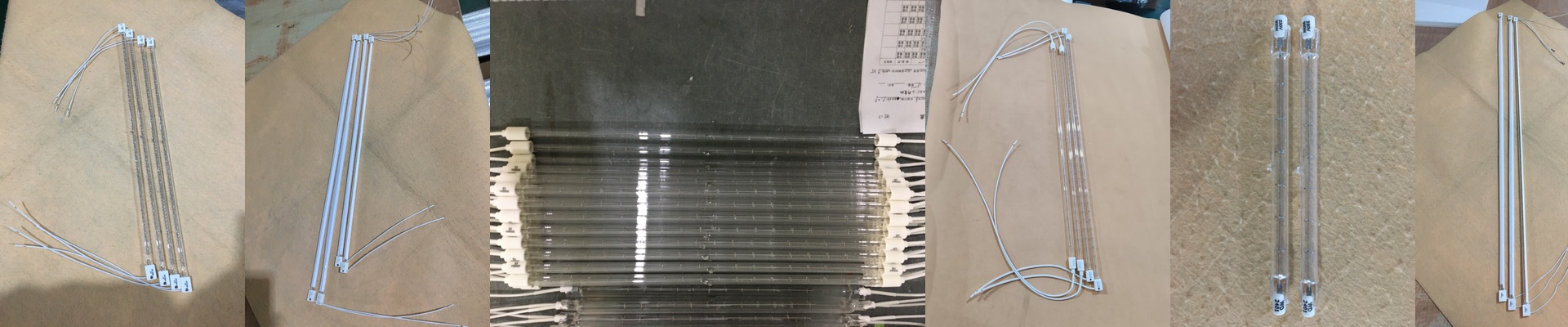
Inside, you’ve got a halogen element inside a quartz tube. Quartz handles the heat beautifully and lets short-wave infrared pass through efficiently. This means the heat penetrates the top resin layer and warms the interface underneath without scorching the surface. The tube has a special coating to control emissivity and keep out environmental gunk. And the R7s connector? It’s an industrial standard for a reason. It provides a solid, high-temperature electrical connection that just keeps working, cycle after cycle. It’s a direct drop-in for existing fixtures, so you wire it up and you’re good to go.
What It Feels Like to Use
When you’re working with carbon fiber, you’re chasing extreme performance. Lightweight parts that still need to be incredibly strong. This setup helps you hit those targets. The short-wave IR speeds up the cure cycle, which slashes work-in-progress time and frees up oven space for post-cure work. Because the heat is so focused, it doesn’t bleed over onto nearby components. Your tooling stays at a manageable temperature. But here’s the thing: with 2500W of power, you do need to plan ahead. You’ve got to have the right cooling and power distribution in place. Set up your airflow and electrical infrastructure properly from the start, and you’ll get reliable, production-level results every single time.