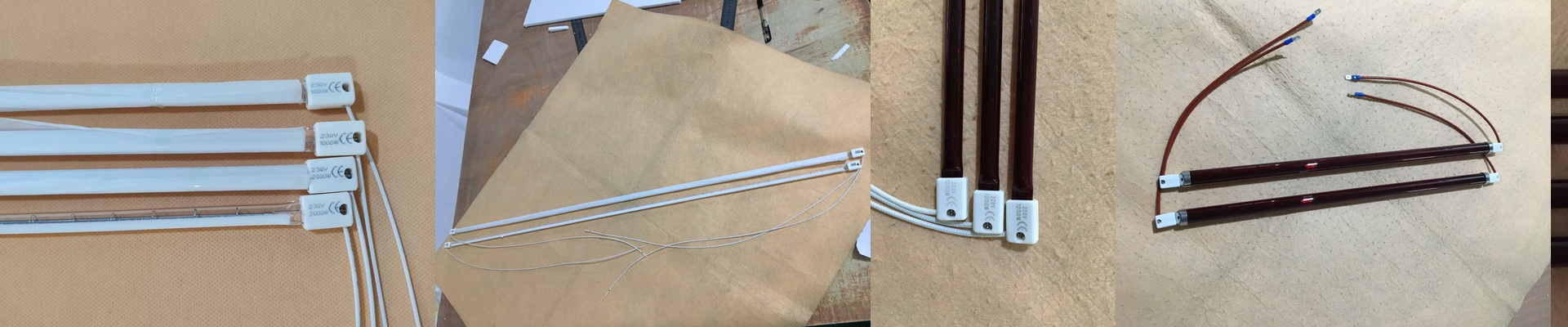
halogen Heat Lamp for Screen Printing: Nailing the Heat Profile
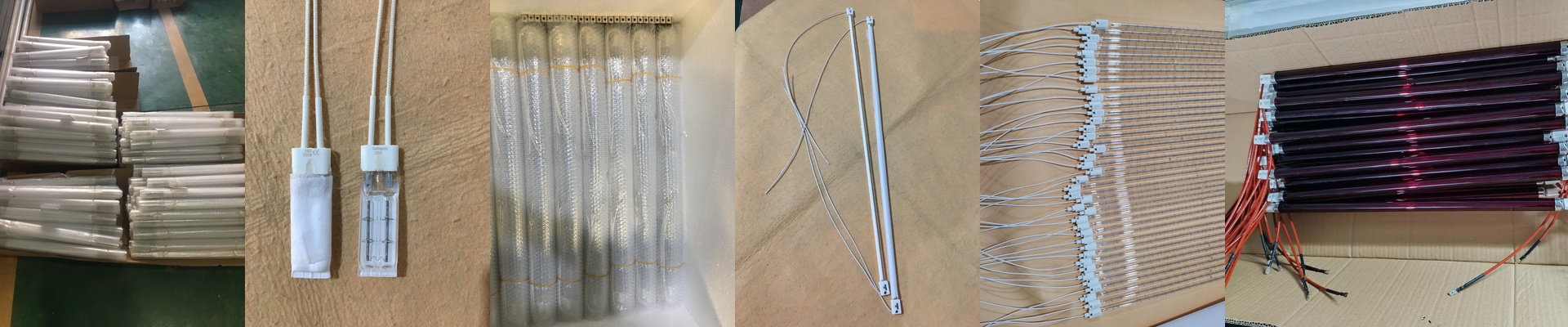
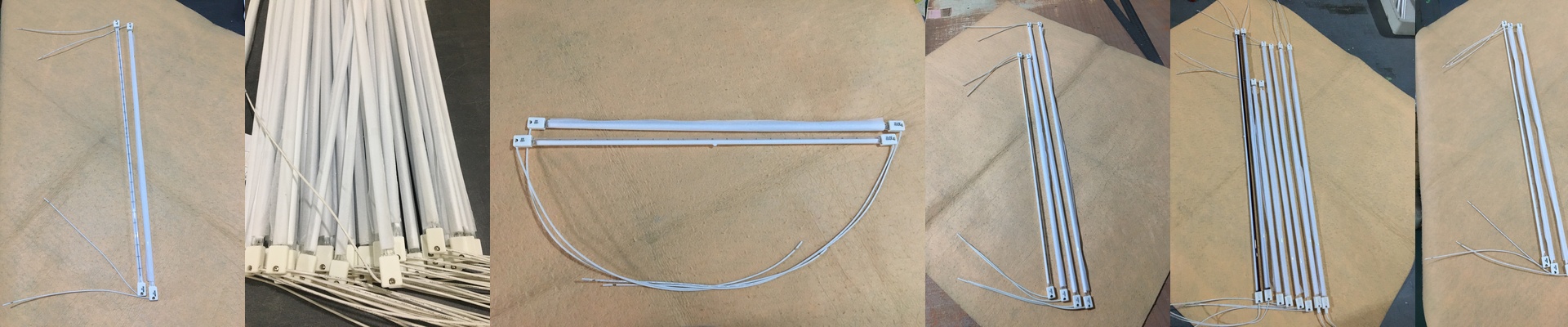
Let’s talk about the halogen heat lamp for screen printing. It’s way more than just a bulb. It’s a dedicated thermal tool, built for one job: hitting your ink with intense, controllable infrared heat. Its mission? To quickly gel or fully cure the ink on whatever you’re printing—plastic, glass, metal, you name it. The trick is matching the lamp’s power to the ink’s needs and the speed of your line.
Getting into the Details: Power, Voltage, and Size
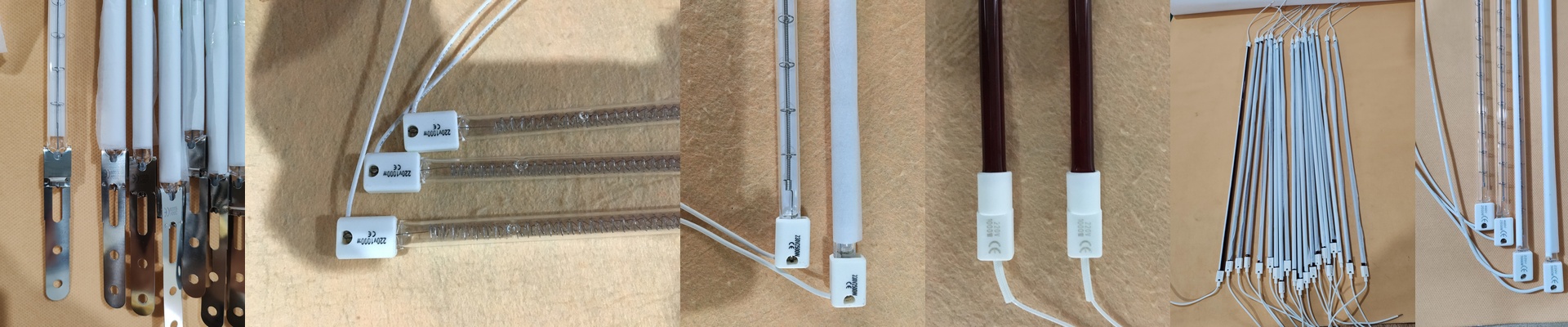
Here’s the thing about the specs. Most of these lamps run at 2500W and 400V, in a 300mm tube. That 400V rating is a smart choice. It lets you run a long lamp without pulling too much current, which keeps the wiring and connections from getting dangerously hot. And the 2500W? That gives you the high heat density you need to get the print surface hot, fast. The 300mm length is a perfect match for standard print widths, so you get even heat across the whole surface.
What’s Inside: Quartz, the Halogen Cycle, and the R7s Base
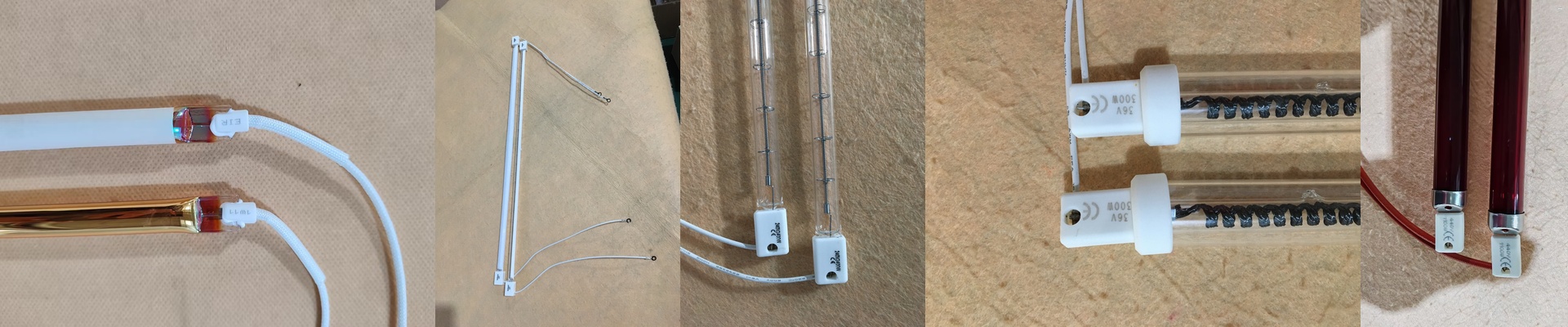
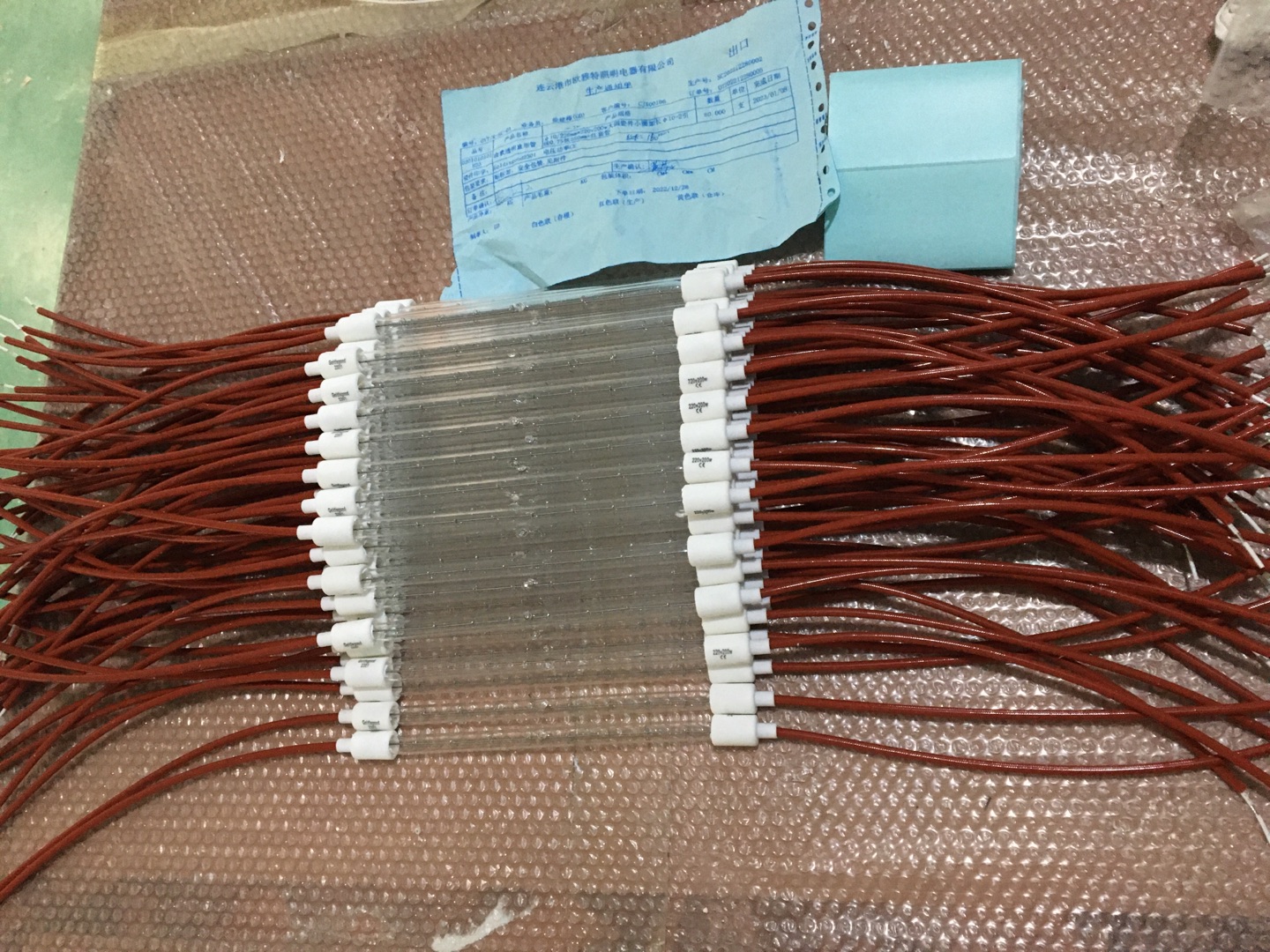
The body is made of quartz. It’s tough enough to handle extreme heat and lets that shortwave infrared energy pass right through. Inside, the halogen cycle is doing its quiet, steady work. It grabs evaporated tungsten from the filament and puts it back where it belongs. This keeps the light output steady and gives the filament a much longer life. Then there’s the R7s base. It’s a double-ended linear connector that locks the lamp in tight. It gives you a solid mechanical hold and a reliable electrical connection, even when things are vibrating or going through constant heating and cooling cycles.
Why It Works So Well on the Print Line
When you’re screen printing, you need heat where the ink is, and you need it now. Halogen infrared delivers. It penetrates the top layer and cures the ink from the inside out. This means you get less surface skinning and better adhesion. Plus, the compact tube and R7s base make it a simple drop-in replacement for what you’re already using. And because the beam is focused, it’s easy to shield the parts nearby. There’s one catch, though. That 2500W power is serious, so you need proper cooling. Pair the lamp with the right reflectors and airflow, and you’ll get consistent, predictable curing without overheating your equipment.