Stop Guessing With Your Heating Tubes
For a long time, heating in coating lines has been pretty basic. You’ve got your infrared (IR) lamps, you flip a switch, and you basically pray that the temperature is even across the board. It’s a “set it and forget it” world—until you realize a batch of parts didn’t cure right and you’ve got a pile of scrap on your hands. But things are shifting. We’re moving away from these “dumb” heaters and toward tubes that actually talk back to you.
Lamps That Actually Speak
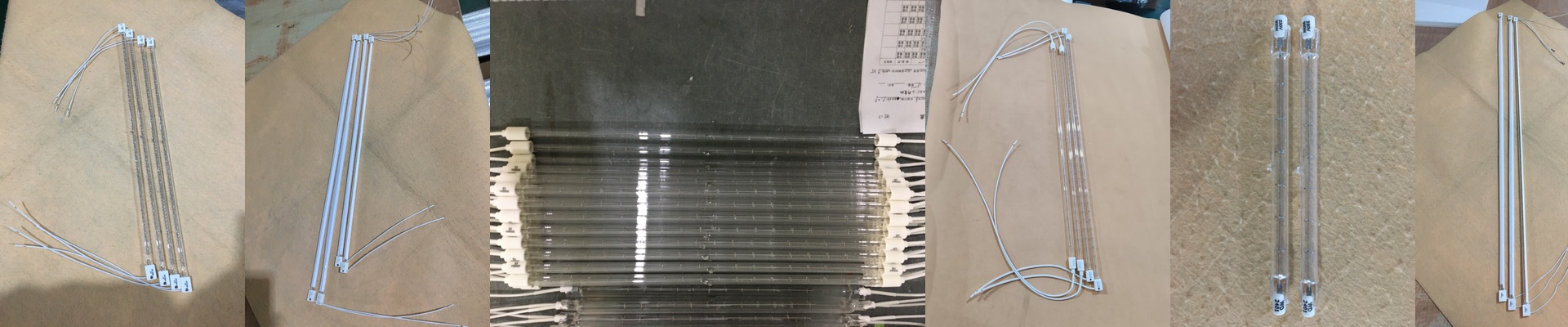
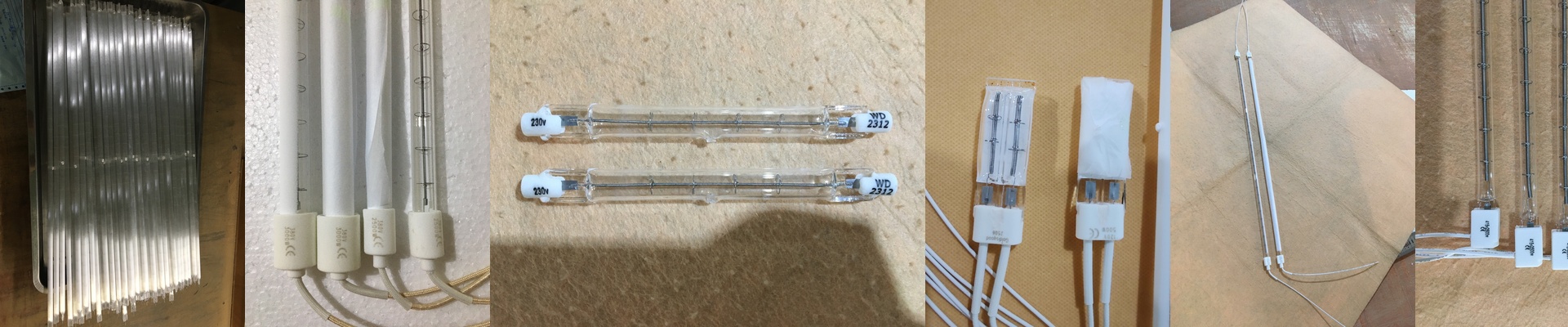
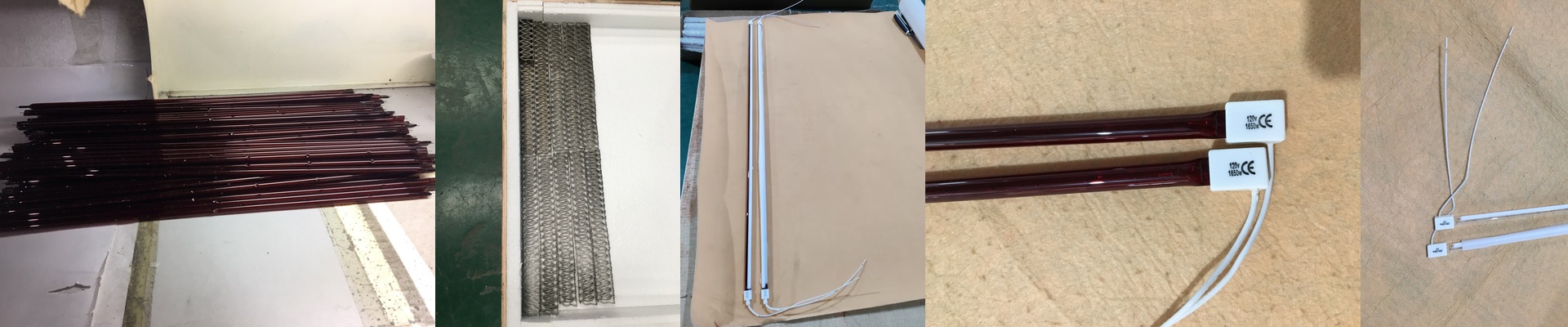
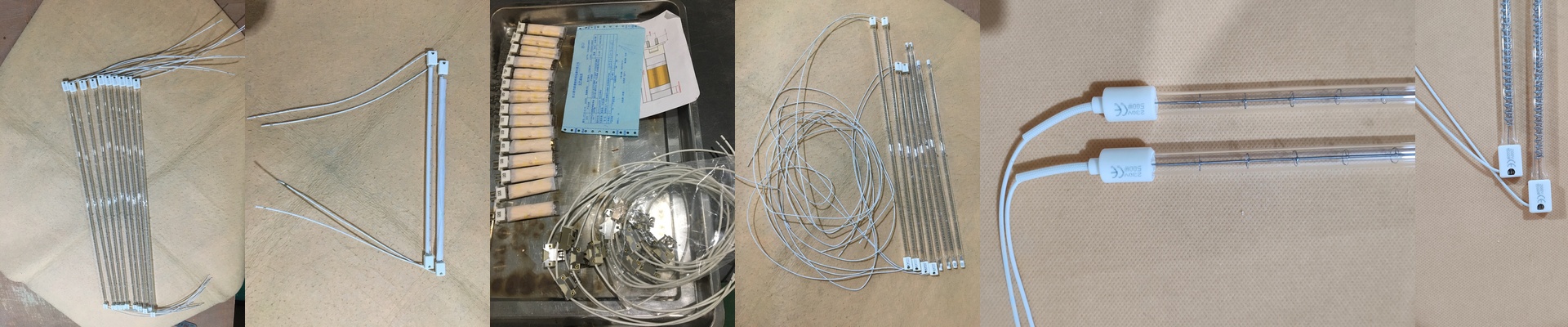
Old-school IR tubes are simple. You wire them in, they pull a certain amount of power, and they run until they pop. There’s no middle ground. The new approach is different. By putting sensors right into the heating assembly, the lamp can tell your control system exactly how it’s doing. It reports its own heat output and tells you if the filament is starting to give up. It’s a huge relief. Instead of finding a cold spot after the damage is done, the system flags a voltage dipbeforethe part even hits the conveyor. You catch the problem while it’s still just a warning light, not a ruined order.
Making the Hardware Smarter
Now, don’t get me wrong—the physics haven’t changed. It’s still a quartz envelope and a halogen cycle. But the “brains” behind the curtain are getting a massive upgrade. We’re seeing smart drivers that keep a constant eye on the current draw. This means your line can finally breathe and react. If you speed up the conveyor, the lamps ramp up instantly to keep pace. If the shop gets sweltering hot in July, the system trims the power so you don’t accidentally over-cook the finish. It just… works.
The Catch (Because There’s Always One)
Here’s the honest part: smart lamps aren’t a magic wand. Adding all these sensors and data loops means you’re spending more upfront. You’re also adding more electrical bits that could potentially fail. Plus, you can’t just grab a cheap, generic tube from a catalog and pop it in; you need the right controller for it to work. Your maintenance team will have to get comfortable troubleshooting a data signal instead of just checking a fuse. It’s a bit of a learning curve. But if you’re running a high-volume line? The peace of mind you get from slashing your scrap rate makes the setup headache totally worth it.