Swapping IR Suppliers Without Losing Your Mind
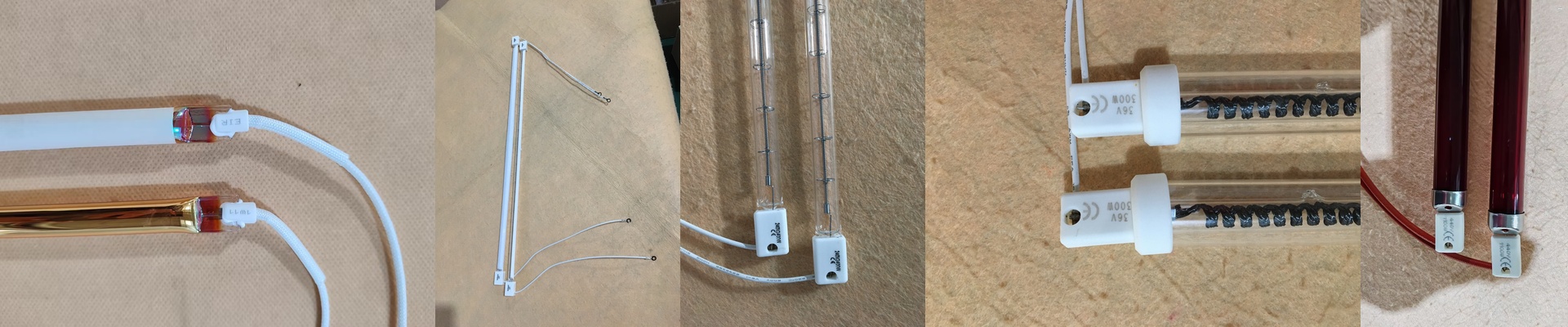
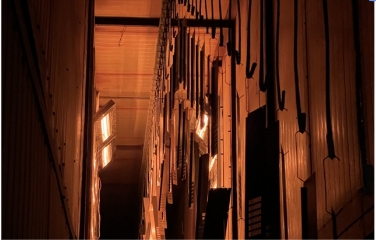
Switching from an OEM to a domestic infrared supplier in a high-volume plant is a bit of a gamble. When you swap out those heating elements, you aren’t just changing a part. You’re messing with the entire thermal profile of your curing tunnel. If you want to prove a cheaper domestic replacement actually does the job, you can’t just hope for the best. You need a curing time recorder.
The “Drop-In” Trap
Most engineers get hung up on whether a lamp fits the footprint or matches the wattage. But here’s the thing: that’s not the whole story. The spectral distribution—whether it’s shortwave or medium-wave—is what actually determines how deep the heat gets into the coating. If the domestic lamp doesn’t hit the same intensity as the original, you end up with “skinning.” That’s the nightmare scenario where the surface looks cured, but the underside is still tacky. Not great. That’s why we use curing time recorders. We don’t care about the air temperature inside the oven; we care about what theactual partis feeling. These devices track the time-temperature integral, which is just a fancy way of saying they tell us if the part stayed hot enough, for long enough, to actually lock in the finish.
Proving It Works
To get everyone comfortable with a supplier switch, we run side-by-side tests. We put a recorder on a test panel in the OEM line, then do the same in the domestic line. We’re looking for the “soak time.” If the domestic lamps ramp up the heat too fast, you’ll scorch the parts. Too slow? You’ve just killed your throughput and your boss is going to be unhappy. Now, I’ll be honest—the setup is a slog. You have to run multiple tests at different spots in the tunnel to make sure the edges are getting enough heat. It’s tedious work. But it’s a lot better than waking up to a massive batch of rejected parts.
Taking the Guesswork Out
Once the recorder shows that the thermal curve matches the OEM specs, you can breathe. You’ve got the data. You know the domestic system handles the curing kinetics just fine. It turns a stressful procurement decision into a simple math problem, letting the plant scale up without worrying that the finish quality is going to tank.