
The Truth About Infrared Curing Lamps
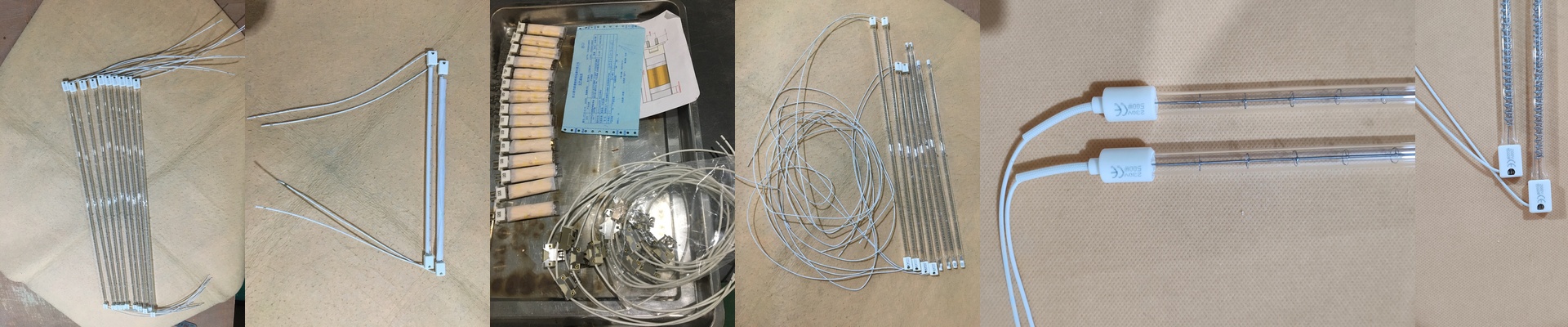
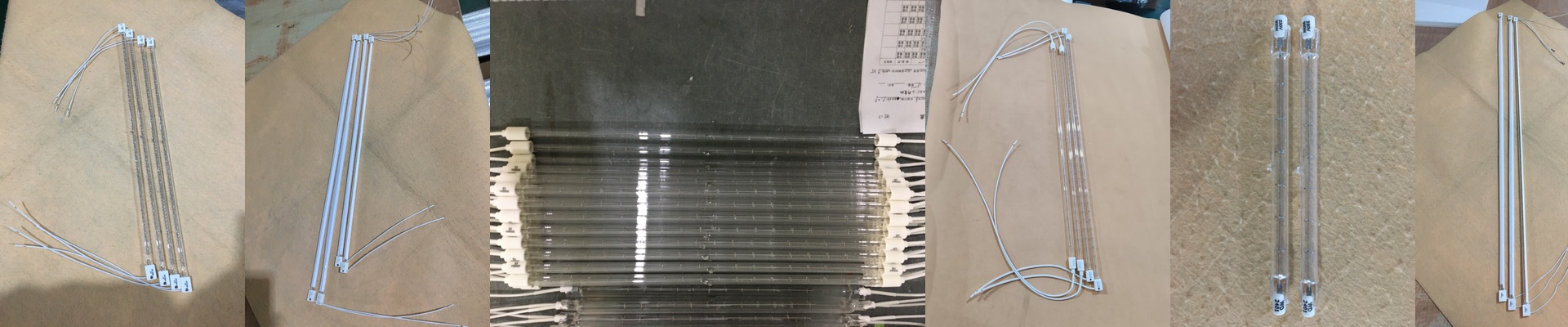
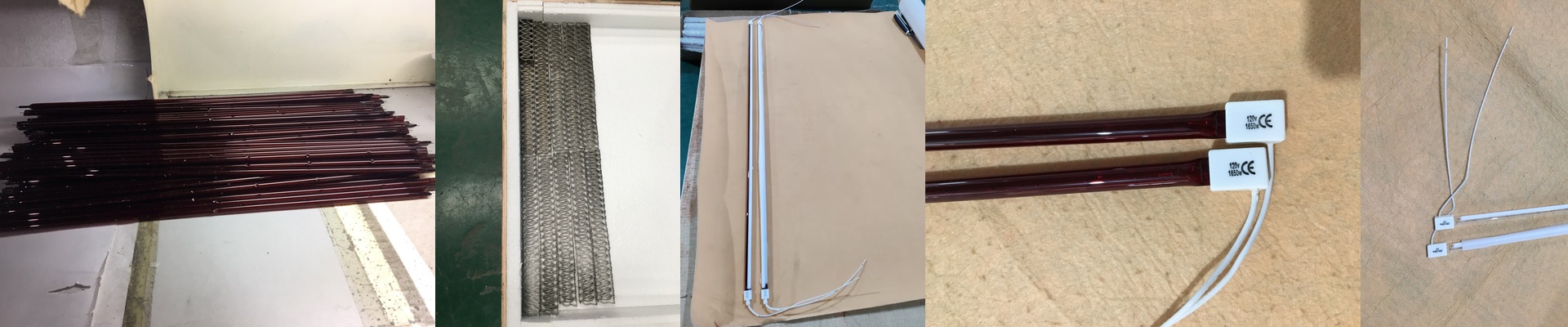
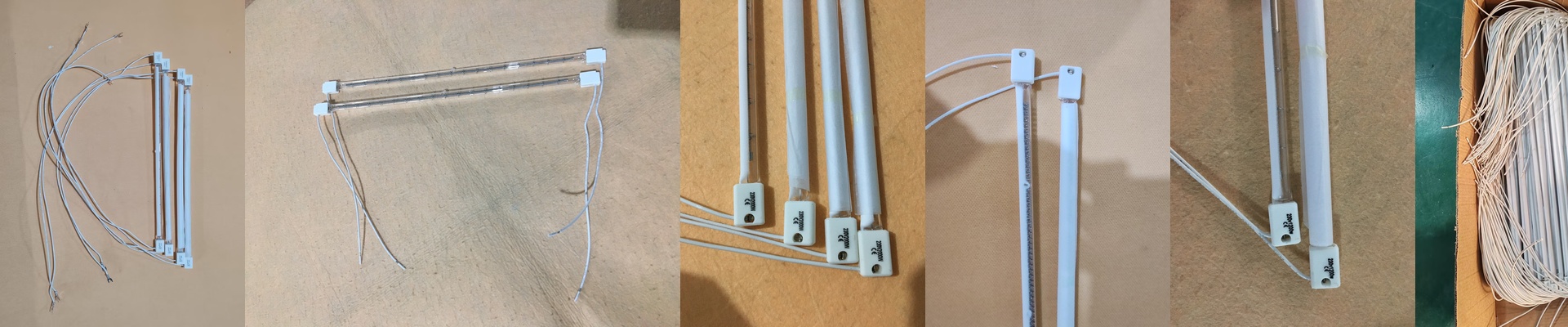
We spent ten years working as an OEM partner before we decided to strike out on our own in the coating world. That decade was a crash course in exactly why generic lamps fall apart when you’re running a high-volume spray line. See, a certified IR lamp isn’t just some heater. It’s a precision tool designed to get those polymers to actually bond.
Let’s talk power and voltage
When we’re figuring out your lamp specs, it all comes down to how voltage and wattage play together to create heat density. If you’ve got fast-moving conveyor lines, you need high-wattage tubes in a small footprint. It allows for a rapid ramp-up. You get the heat exactly where it needs to be, without turning your entire shop floor into a sauna. One quick tip: if you’re running a high-voltage setup, keep a close eye on your power supply. Voltage spikes are killers—they’ll fry your filament way before its time.
Quartz, coatings, and the “drop-in” fix
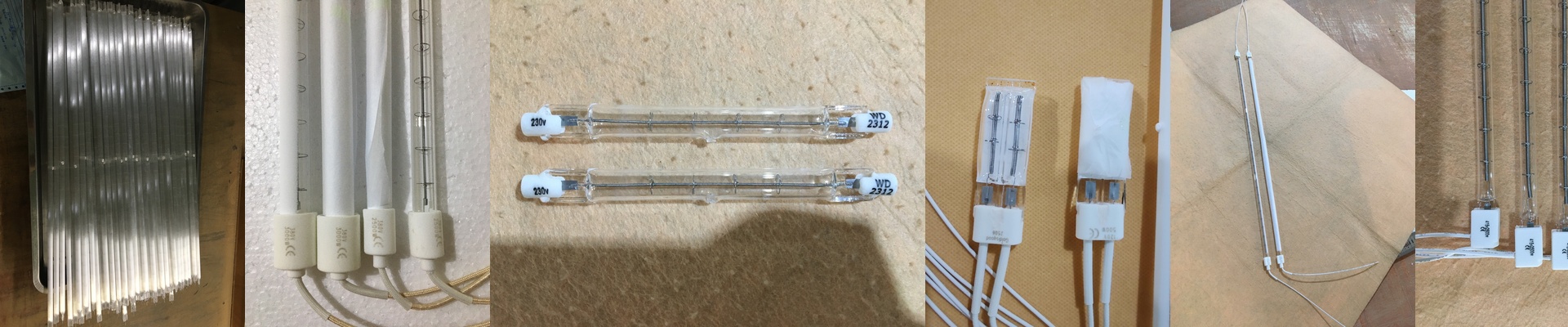
We use high-purity quartz glass because we want as much IR transmission as possible. Some of our lamps also have specialized coatings. Why? Because it shifts the emission spectrum. Instead of just scorching the surface of your part, the heat actually sinks deep into the coating layer. And we stick with standard R7s or Sk15 connectors. We did this on purpose. It means our lamps are a simple drop-in replacement for most of the big international brands. You can swap them out fast, get the power back on, and stop losing money to downtime.
The reality of the shop floor
These lamps do the heavy lifting in automotive painting and powder coating. They pump out the kind of intense energy you need to cure resins in a matter of seconds. But that kind of heat comes with a price. Extreme temperatures put a lot of stress on your lamp holders. That’s why I always suggest checking your reflector alignment every few months. If a reflector shifts, you’re wasting energy and creating hot spots. That’s how you end up with “orange peel” defects or uneven curing, and nobody wants to redo a whole batch of parts.