Why Your Powder Coating Lamps Need to Start Talking
For a long time, powder curing lamps were pretty basic. They put out heat, and you hoped for the best. But things are changing. We’re moving toward lamps that actually “talk” to your system—tubes with built-in sensors that send real-time data straight to the PLC. It’s not about adding fancy gadgets for the sake of it. It’s about finally getting rid of the guesswork when it comes to heat.
The problem with “set it and forget it”
Most IR lamps just run on a fixed voltage and wattage. You wire them in, set your timer, and cross your fingers that the powder cures perfectly. But here’s the thing: heat isn’t constant. As a tube gets older, or if your conveyor speed drifts even a little, the heat density drops. You don’t notice it until you’re staring at a batch of under-cured parts. When you put IoT sensors right into the lamp housing, you can see the actual surface temperature and current draw as it happens. The lamp basically taps you on the shoulder and tells you it’s burning out before you ruin a shipment of parts. No more walking the line for manual spot-checks.
Knowing the health of your line
Over the next few years, we’re going to see this “Internet of Things” stuff happen at the tube level. Imagine lamps that can report their own health. If a tube in zone 3 is pulling 10% less power than the one in zone 2, the system flags it. You don’t have to hunt for the weak link; the machine just tells you which one to swap out. It gives you a digital trail for every single cycle. That’s how you kill the variance that usually makes long coating lines such a headache.
The catch (and how to handle it)
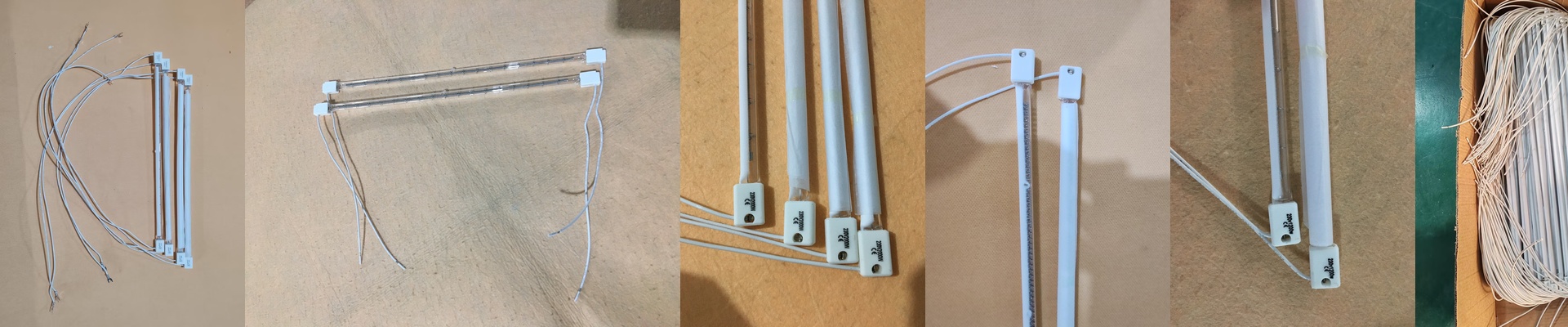
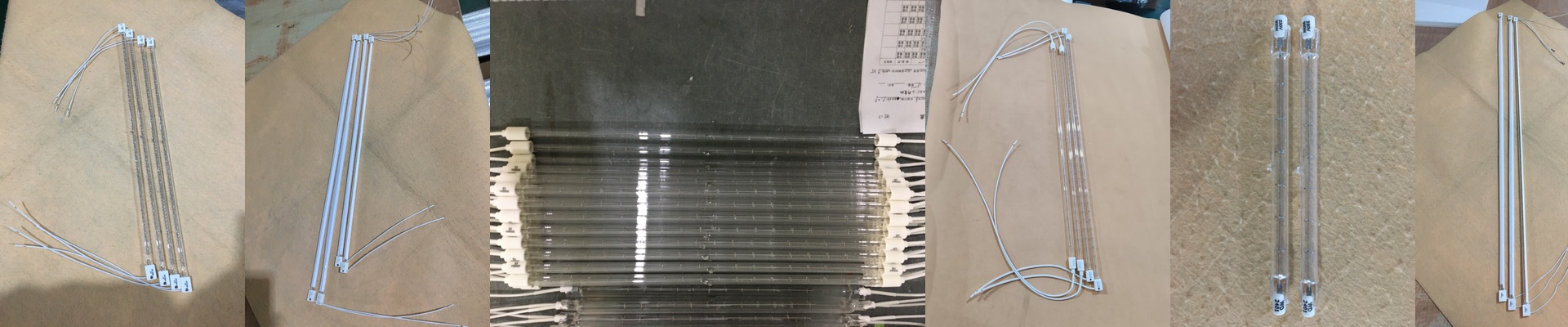
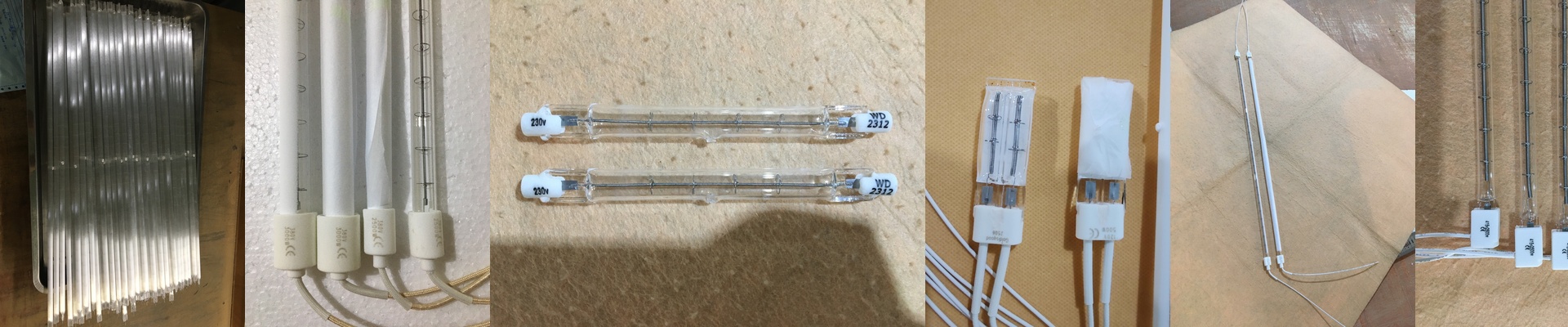
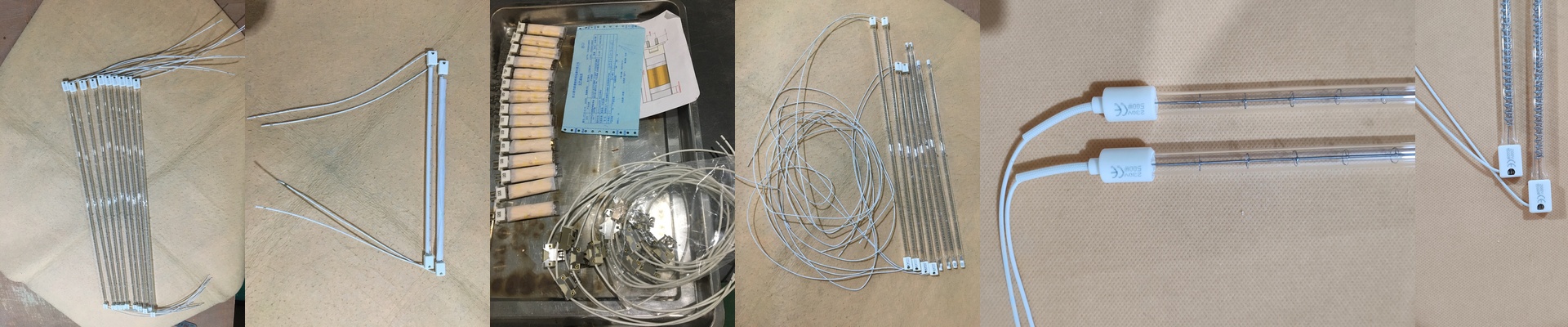
Now, there is a trade-off. Electronics and extreme heat don’t get along. To make a lamp “talk,” we have to protect the sensors and chips from the intense radiation coming off the quartz envelope. That means better shielding and specialized cabling that won’t melt into a puddle. Sure, it takes up a bit more space and costs more upfront. But when you look at the amount of scrap you stop producing and the unplanned downtime you avoid, it pays for itself. Just make sure your cooling systems are dialed in, or you’ll fry the very sensors meant to save you.