Which IR Waveband Actually Works for Your Fabric?
If you’re putting together a drying line for textiles, you’ve probably hit the crossroads: shortwave (SW) or medium-wave (MW) quartz lamps? Here’s the thing—you can’t just swap one for the other. They don’t behave the same way, and they definitely don’t treat your fabric the same way. Picking the wrong one usually means either wasting a ton of money on electricity or, worse, ruining your material.
Getting into the fibers
Think of shortwave lamps as the “heavy hitters.” They run hot and push energy deep into the material. If you’re dealing with thick piles or heavy-duty denim, this is what you want. It hits the core of the fabric fast, so you aren’t waiting around for the center to dry. Medium-wave is a different story. It’s gentler. These waves hang out more on the surface and target the moisture right there. If you’re working with thin synthetic blends or surface coatings, MW is your best bet. It keeps the top layer from scorching while the moisture makes its way out.
What’s going on inside the tubes?
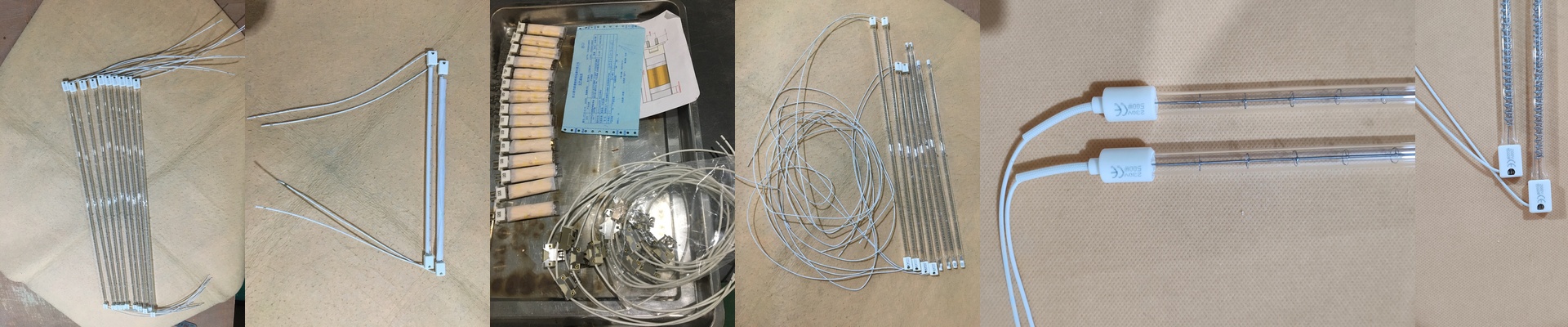
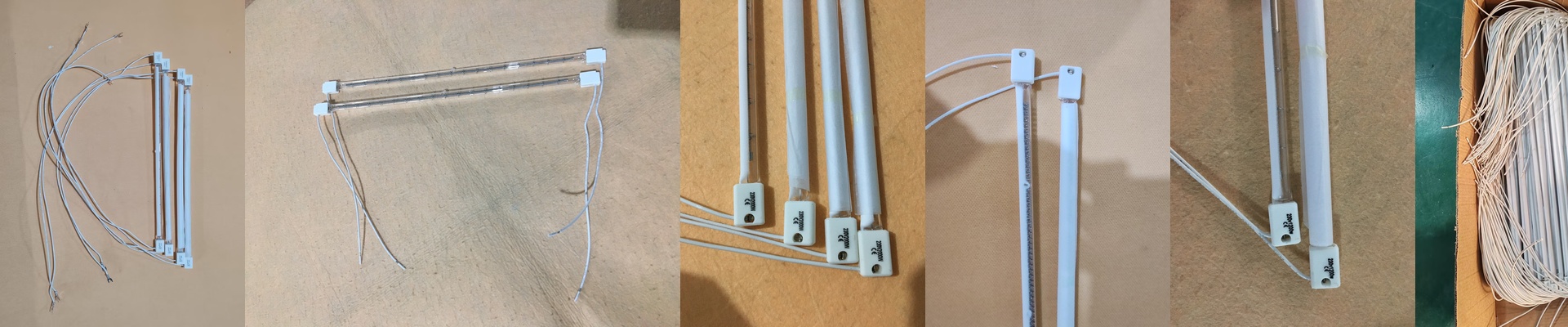
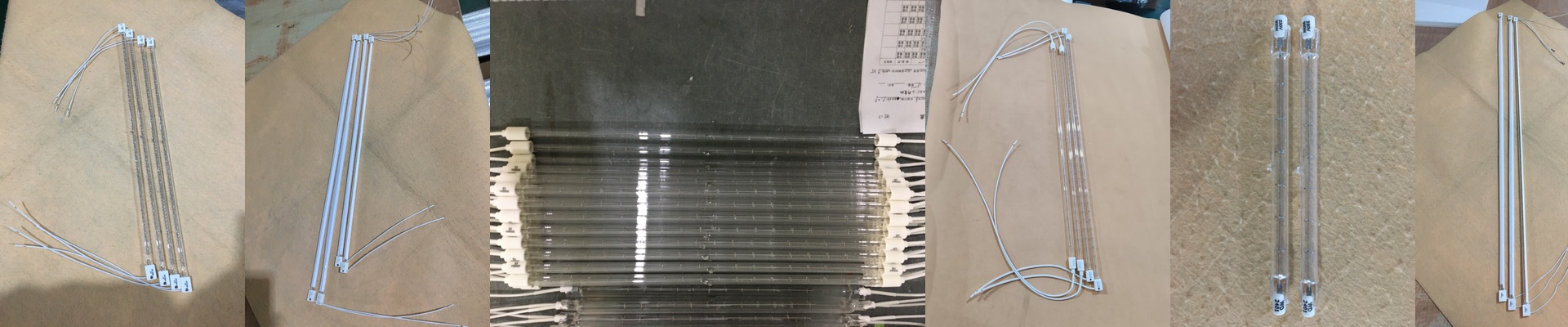
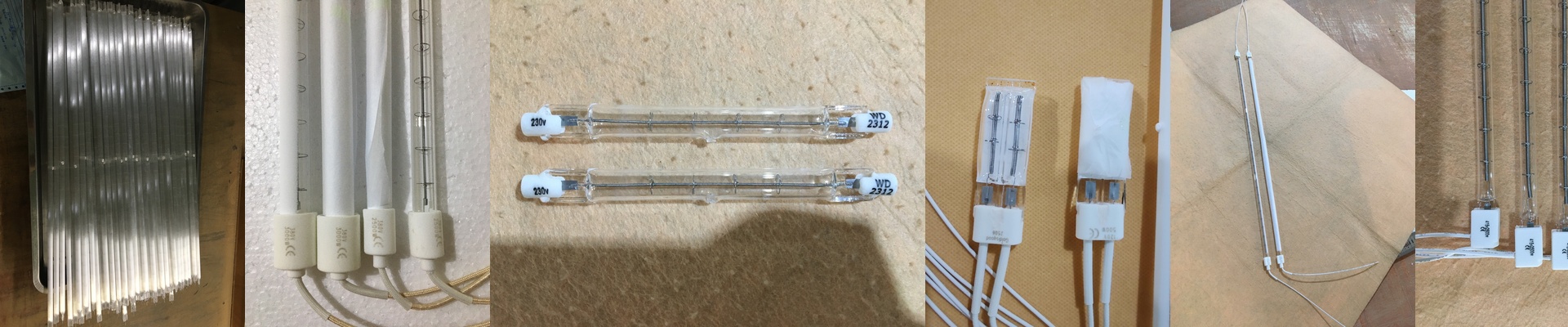
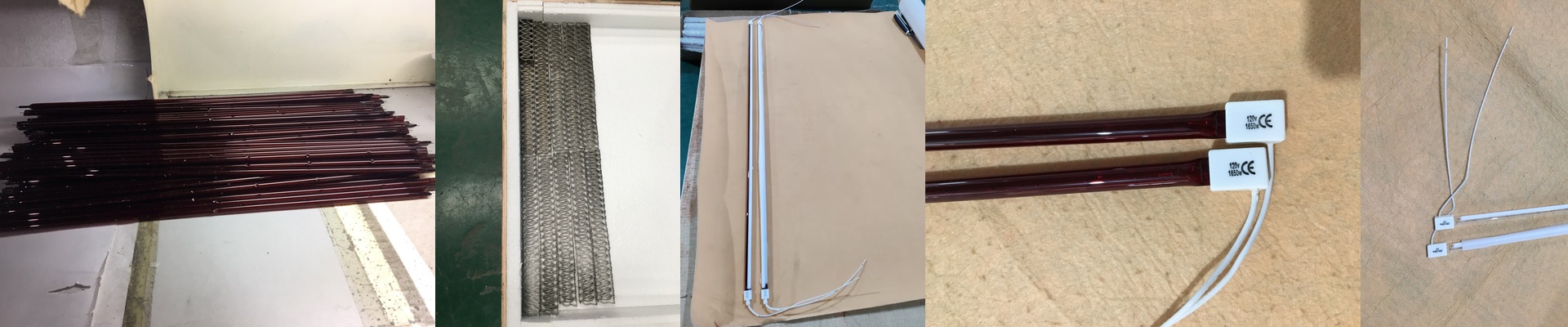
We use high-purity quartz glass for these. Why? Because when you’re cycling heat on and off rapidly, you need something that won’t just crack under the pressure. With shortwave tubes, we often use halogen gas to crank up the filament temperature. This gives you a lot more “punch”—more watts per millimeter. The upside? Your machine can be smaller because the heat is so concentrated. Medium-wave tubes usually have a different filament or a coated envelope to shift how the heat comes off. It’s a softer approach.
The real-world trade-offs
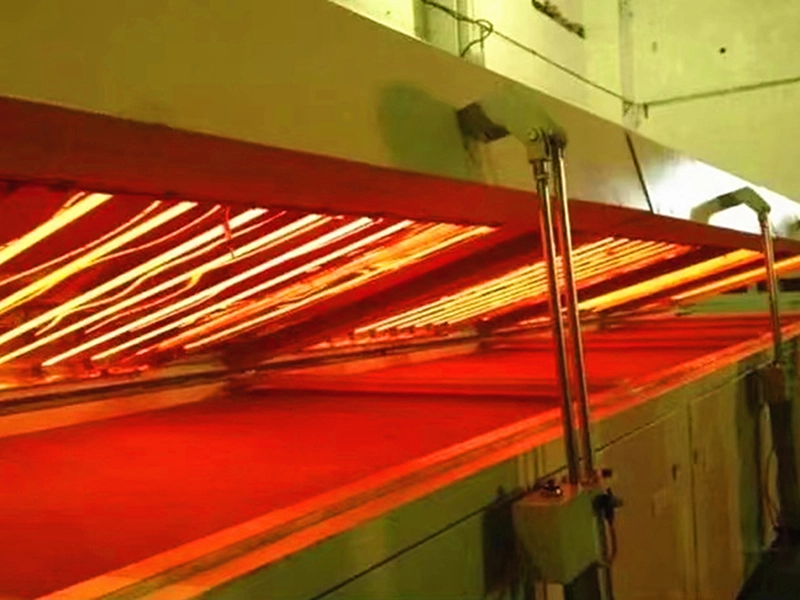
Now, that high heat density from SW isn’t free. It’s powerful, but it’s finicky. Your reflectors have to be spot-on. If they’re even slightly off, you get hot spots. And a hot spot on a delicate fabric is a recipe for a hole. MW lamps are way more forgiving. You don’t have to sweat the alignment as much. But, there’s a catch: they take longer. You’ll likely need a longer conveyor belt to get the same results you’d get from a shortwave system. So, you have to ask yourself: do I have the floor space for a longer line, or do I have the power budget for a high-intensity system? Just look at your fabric GSM. Match the waveband to the weight of your cloth, and you’ll stop throwing money away on your power bill.