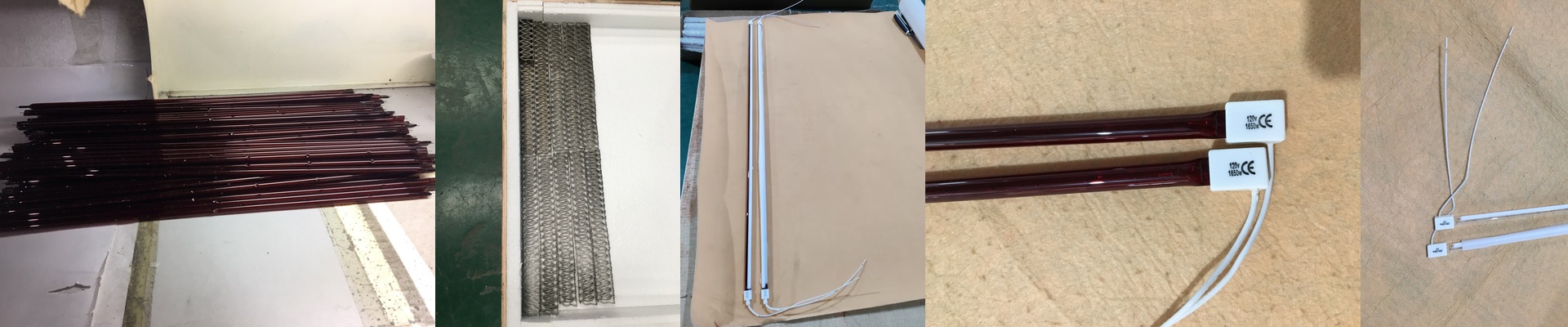
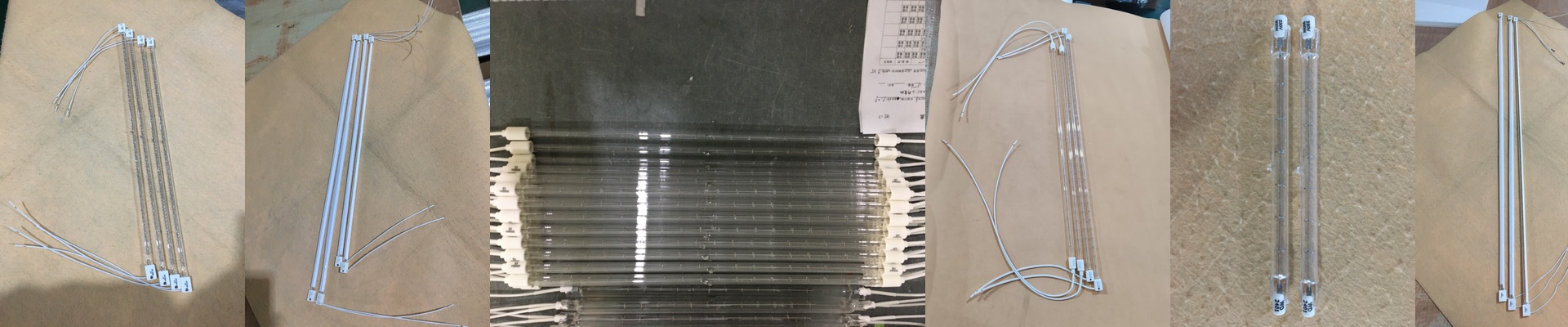
Long-Life Infrared Lamps: The Heat Source Built for the Future of Textiles
We built these long-life infrared lamps to step right in where old heaters left off. They’re the kind of upgrade that makes your plant feel like it’s finally caught up with the times—going from old-school spinning to smart dyeing without the headache. This isn’t just a bulb. It’s a proper digital heat source, meaning it brings real control and usable data right into your Industry 4.0 setup.
Power, Voltage, and Size—Straight to the Point
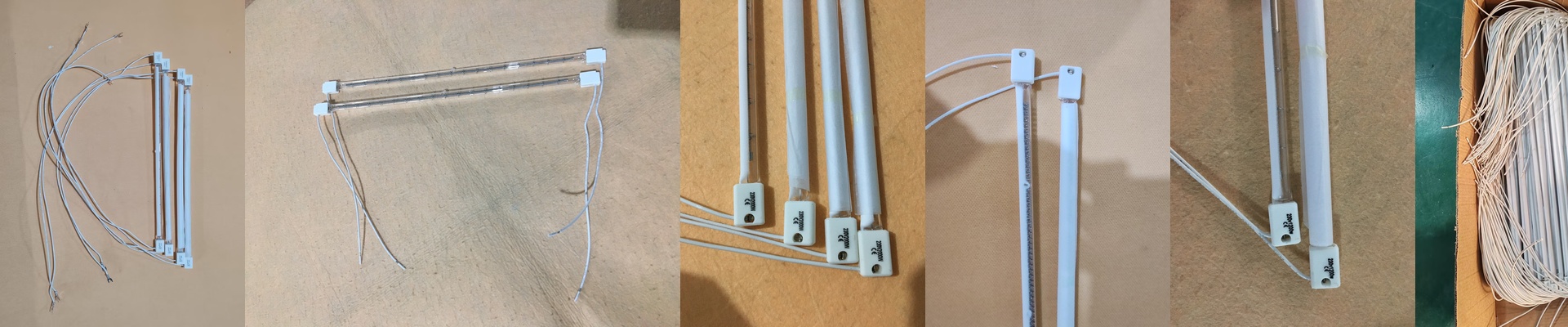
Here’s the thing: we packed serious heating power into a small footprint. We run on a 400V system, which lets us push a lot of energy through a 300mm tube without overloading the wiring. That keeps conductor size reasonable and prevents voltage drop from becoming a problem across the plant. The 2500W rating gives you the heat flux needed for fast drying and curing on high-speed lines. You get a lot of heat in a small space—which is great. Just know your machine’s cooling and thermal management need to be up to the task, since ambient heat will rise.
What’s Inside: Halogen, Quartz, and Connectors That Just Work
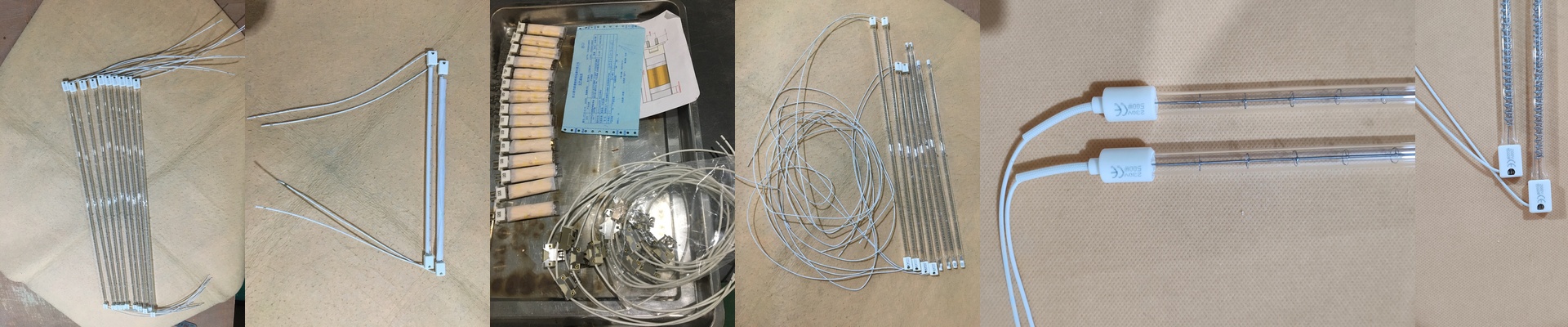
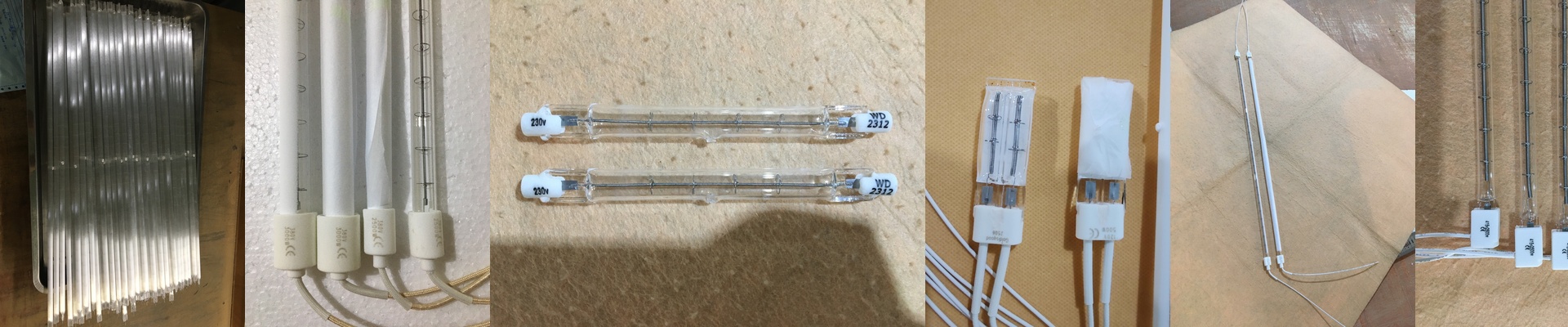
Inside, the halogen cycle keeps the filament stable, so the lamp stays consistent over time—no blackening, no sudden drops in output. The quartz envelope handles rapid on/off cycles without cracking under thermal shock. And that special reflective coating? It pushes more energy forward, so you waste less heat to the sides. For connectors, we went with R7s and SK15 because they make installation fast—no tools needed—and hold a solid, vibration-resistant electrical contact. No hot spots. No arcing. Just reliable power transfer, day after day.
On the Floor, Where It Counts
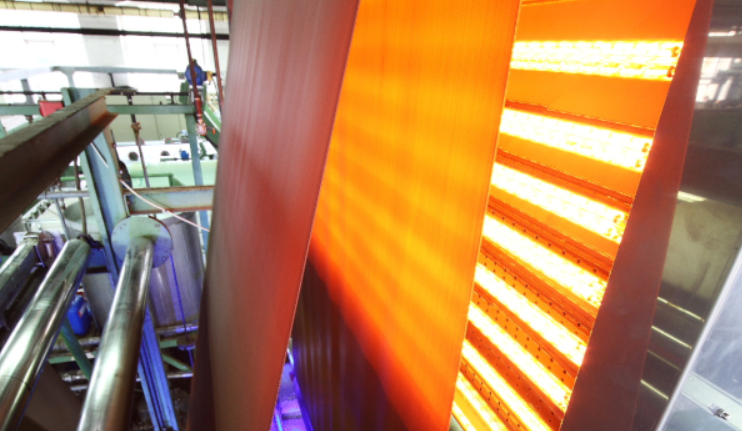
For textile engineers, this lamp takes the heat demands of smart dyeing and finishing in stride, with repeatable control. It dries coatings fast. It sets finishes evenly. And it fits cleanly into automated cells. The long service life means fewer surprise breakdowns. And the precise spectral output helps keep the process consistent. You get a drop-in heat source you can actually monitor and tune, turning thermal energy into something measurable and controllable—right where you need it on your textile line.