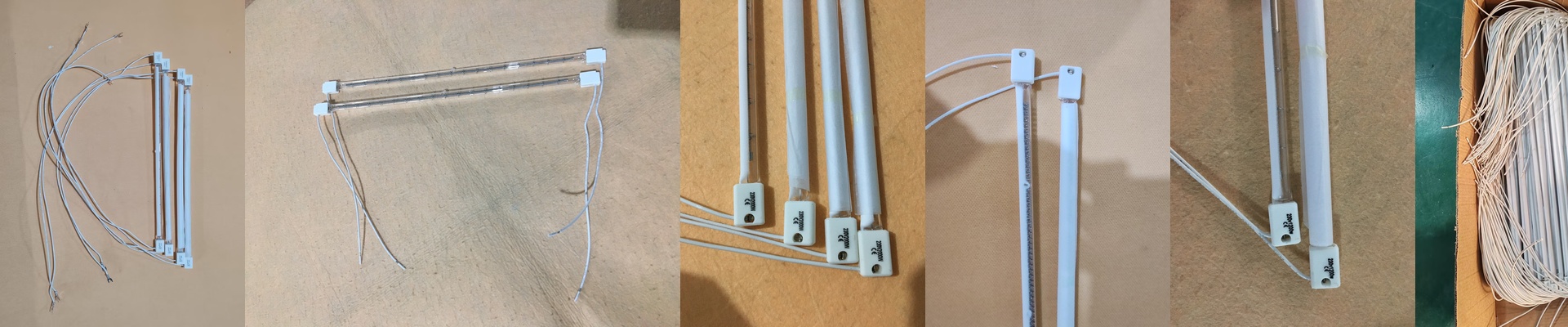
Dealing with 220V 1000W R7s Halogens: What You Actually Need to Know
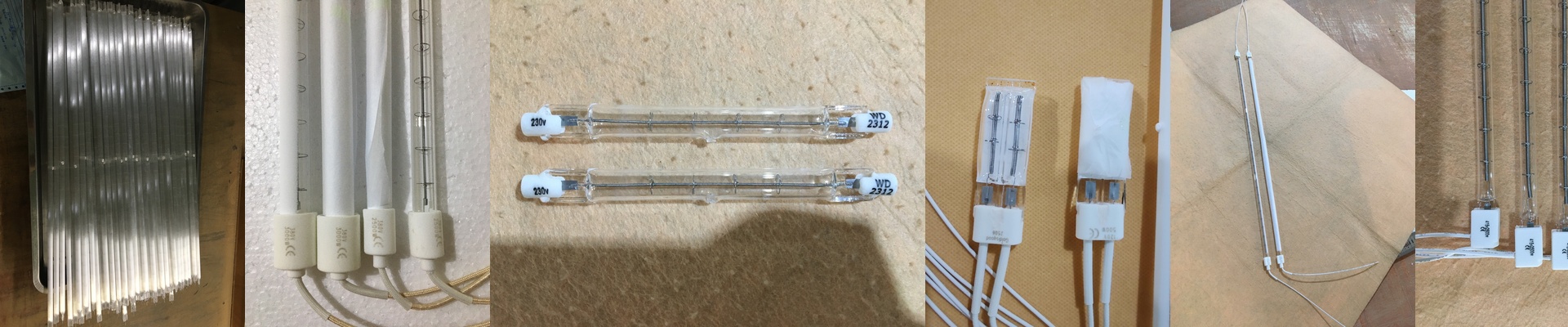
If you’re looking for a replacement for a 220V 1000W halogen bulb, you’re basically dealing with a concentrated blast of heat. These things use a tungsten filament inside a quartz tube, with halogen gas keeping the filament from burning out too quickly. It’s a clever little cycle that lets the lamp run way hotter and last longer than your old-school light bulbs. Let’s talk power. A 1000W load at 220V isn’t a joke; you need a steady power supply. If your voltage starts jumping around, you’ll either end up with a workpiece that isn’t hot enough or a filament that pops way sooner than it should. We built these to plug right into 220V, but please—check your wiring. Make sure your sockets can handle the current without getting toasted. If your wires are too thin, you’ll lose voltage and waste energy. It’s just not worth the risk. The R7s Connector The R7s base is great because it’s just a push-in connection. No soldering, no crimping, no headache. You just slide the lamp into the spring-loaded contacts and you’re back in business. But here’s the thing: those contacts can get crusty over time. If you see any pitting or corrosion on the socket, clean it off before you pop in a new bulb. If you don’t, you’ll create a “hot spot” that could literally melt your housing. The Trade-offs The best part? These lamps are instant. No waiting around for them to warm up. You flip the switch, and you have heat right now. But there’s a catch. That quartz tube getsinsanely hot. At 1000W, it’ll burn you instantly or start a fire if there’s debris nearby. Keep the area clear. And for the love of everything,**don’t touch the glass with your bare hands.**The oils from your skin leave invisible spots on the quartz. Those spots create heat traps that can cause the glass to shatter. Grab a clean cloth or some gloves and you’ll be golden.