Stop Treating Your Coating Lamps Like Trash
Most shops treat heating elements like lightbulbs in a hallway—when one burns out, you toss it, pop in a new one, and forget about it. But that “swap and go” habit is a waste of money and a headache for your team. If you’re actually trying to hit zero-waste goals, you have to stop the cycle. The secret? Stop running your hardware at the breaking point.
Why things actually break
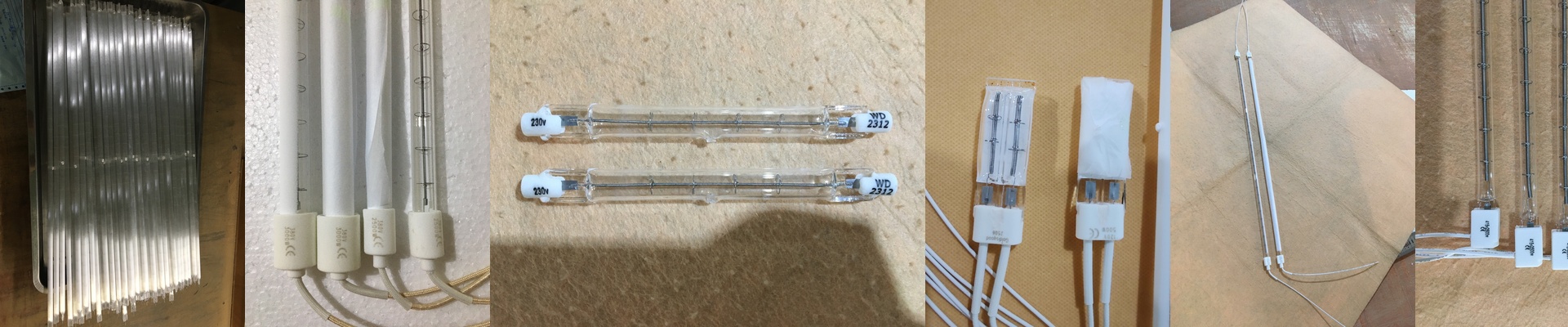
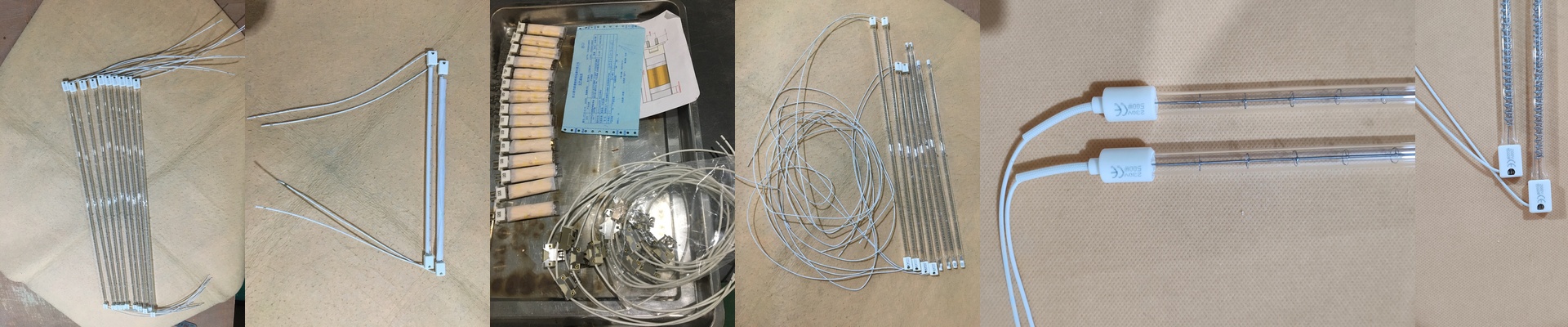
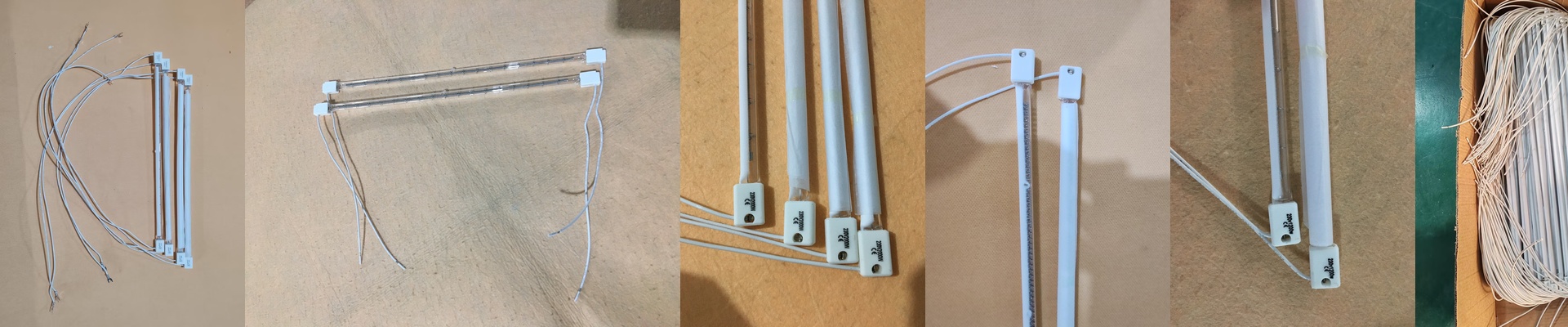
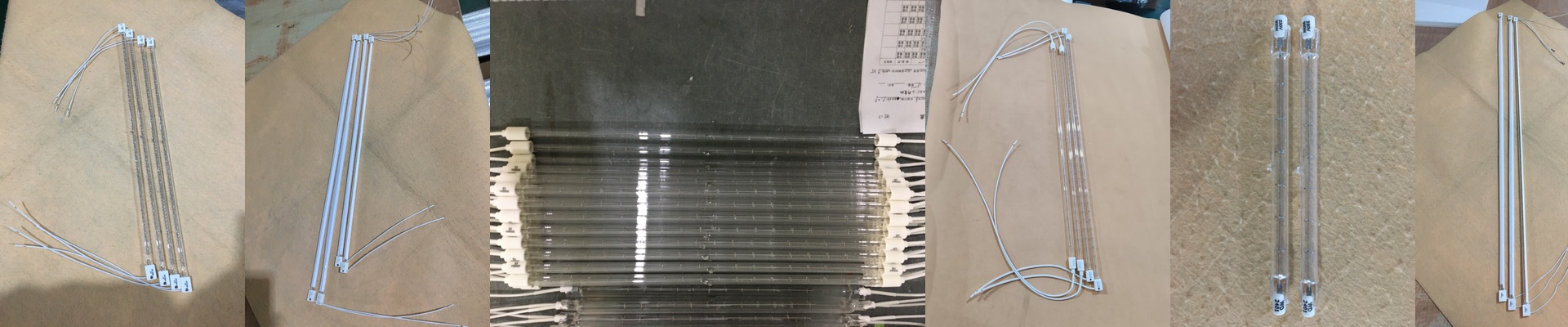
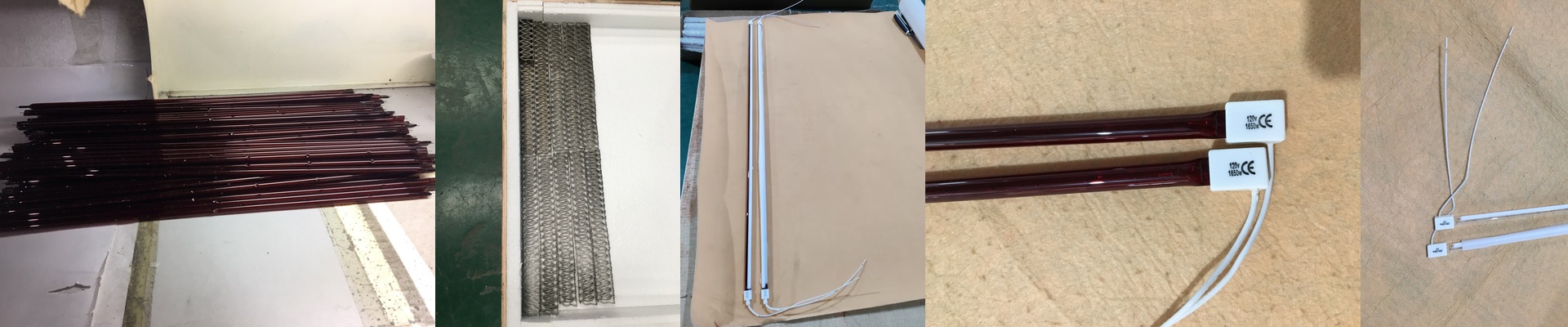
It usually comes down to thermal shock. You push a lamp to its absolute limit to get a fast ramp-up, and sure, it works—for a while. But you’re basically cooking the filament. We do things differently. We use high-purity quartz and keep a tight grip on voltage regulation to steady the heat. It’s about balance. When you stop red-lining your equipment, the lamps just last longer. Less quartz and metal in the trash, less time spent climbing ladders to replace parts.
The real cost of “cheap” parts
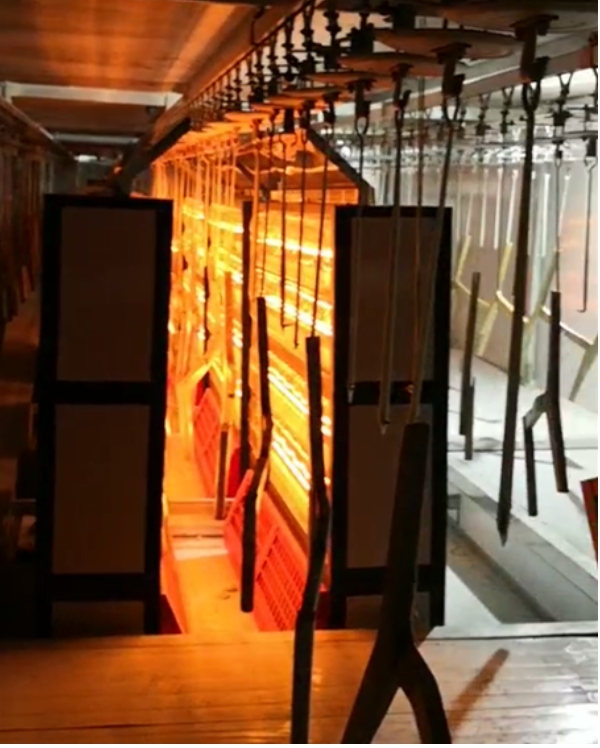
Here is the thing: we use specialized coatings to make sure the infrared heat actually hits your parts, not the oven walls. When the heat goes where it’s supposed to, your burners don’t have to sweat to make up for the loss. Now, I’ll be honest—high-grade, long-life materials cost more when you first buy them. But think about the downtime. Think about the constant ordering of replacement parts. It’s a trade-off. You can keep paying for “cheap” parts over and over, or you can build a setup that just works.
Getting the wiring right
It isn’t just about the lamp itself; it’s about what’s feeding it. If your power supply is jumpy, you’re going to blow filaments. Period. Even the most expensive lamp in the world can’t survive constant voltage spikes. That’s why we suggest using stabilized power controllers. It protects the hardware and keeps the line moving. No more sudden crashes, no more frantic maintenance calls in the middle of a shift. Just a smooth, quiet operation.