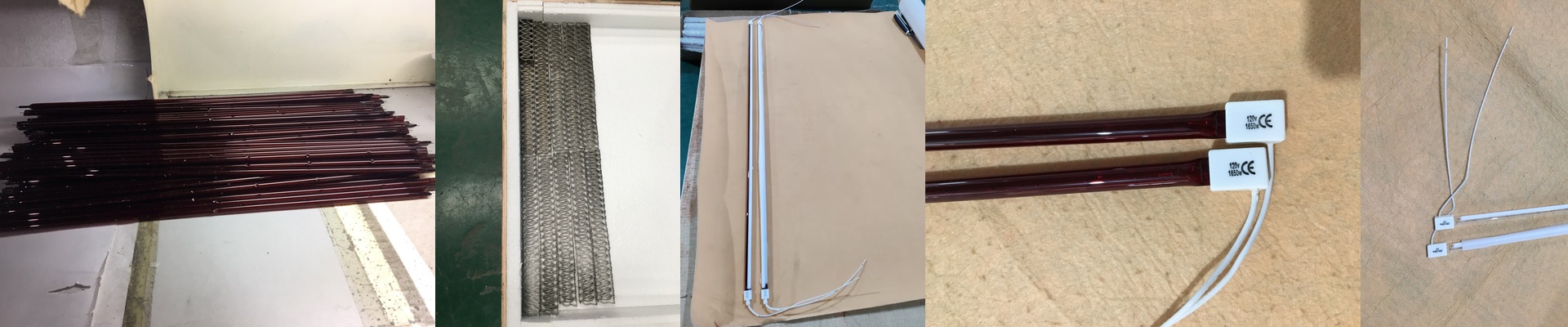
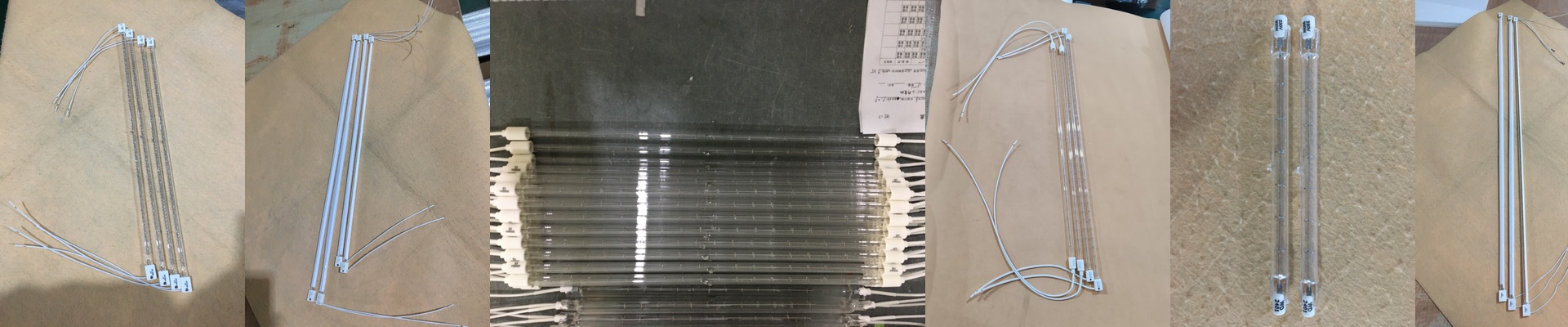
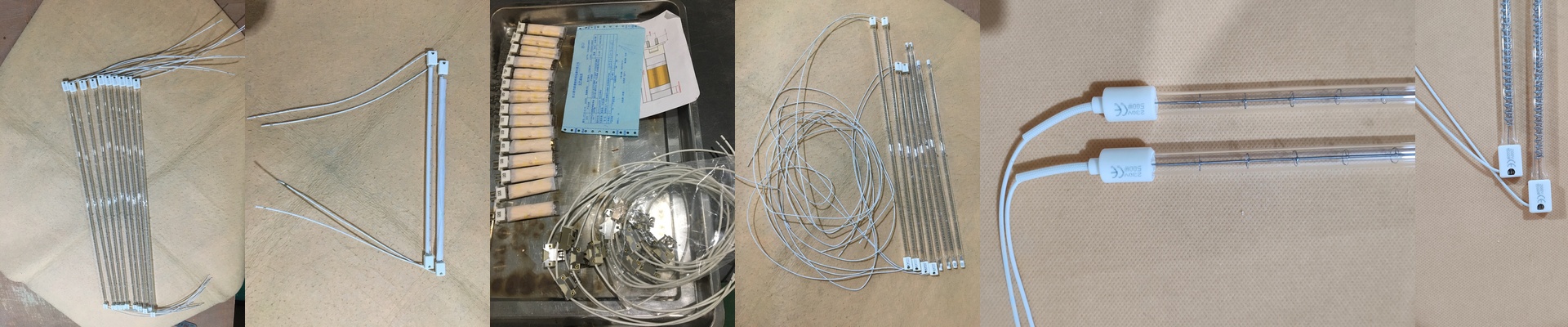
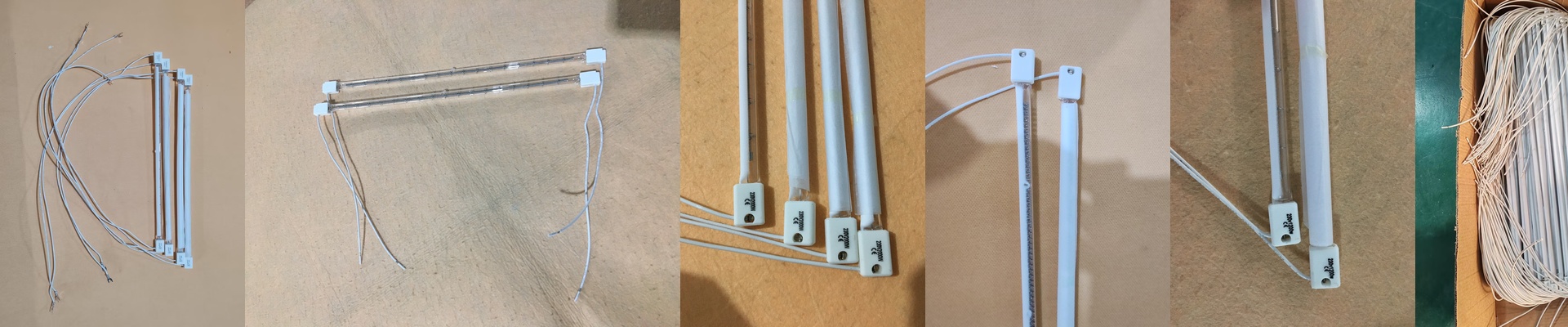
660mm 600W Infrared Halogen Bulb: Power, Fit, and Heat Density
We built this 660mm, 600W infrared halogen bulb for engineers who crave one thing: predictable heat, packed into a small footprint. It leans heavily into shortwave output, because when you’re on the line, you can’t afford to wait around for things to warm up.
The real-world details: size, power, and how fast it gets to work
The 660mm length isn’t arbitrary. It gives you a clean, manageable size to work with when you’re integrating it into a machine. You get a long, consistent hot zone without having to tear apart the entire heater bay just to make room. Then there’s the 600W rating. It packs serious heat density into a compact form, which is exactly what you need when the job calls for concentrated, focused heating. Shortwave infrared means this bulb comes to life fast. In practice, that translates to quick thermal response and better control over your cycle times. But here’s the catch: 600W in this size demands proper airflow and enough clearance around the mount. Crowd it, and you’ll push internal temps too high—shortening its lifespan.
What’s inside, and why it matters
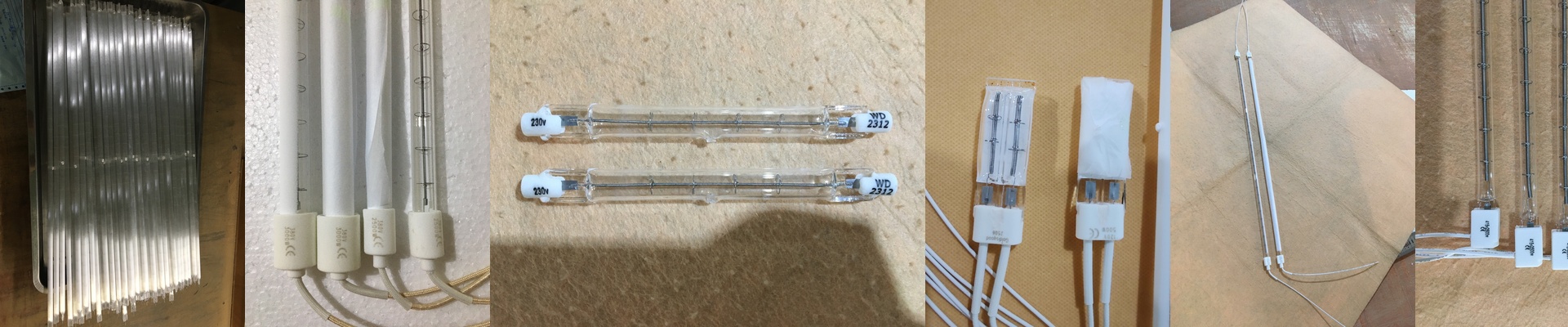
Inside, we use a halogen cycle housed in a quartz envelope. That combo keeps the filament stable, even when it’s running hot. The payoff? It resists burning out too soon and stays consistent, even during those long, grueling runs. The infrared coating is tuned to lean into shortwave energy, which lines up perfectly when you need surface heat, fast. And that R7s base? Not random. It’s a double-ended linear connector that gives you solid mechanical support and reliable electrical contact. It makes the bulb a simple drop-in replacement in many standard fixtures, and keeps field wiring from turning into a headache.
Where this bulb shines—and what you need to keep in mind
This is your go-to when the machine needs intense, focused heat in a specific spot. Think plastics heating, sealing, curing, and industrial drying. The 660mm length makes layout easier, and the 600W gives you the heat flux needed to keep cycles moving. We built it to be a tough, reliable workhorse, but you still have to set it up right. Match the voltage, confirm the fixture length, and wire it properly. Give it the airflow and clearance it needs. Do that, and you’ll get predictable heat, fast response, and a component that can handle the daily grind of a production line.