Stop wasting money on your curing line
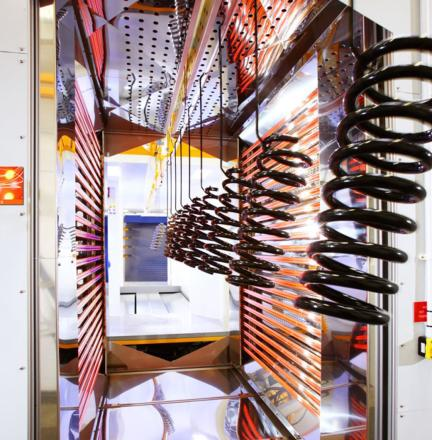
When most people plan a new metal curing line, they get obsessed with the size of the oven. They want to know how much floor space it takes up. But here’s the thing: the footprint isn’t what’s actually eating your budget. The real killer is how you’re moving the heat. If you’re still relying on old-school convection, you’re basically paying to heat up the air and the oven walls just to get to the part. It’s a massive waste. Switching to high-efficiency IR lamps changes the math. We’re talking about cutting your overhead by around 30%.
How it actually works
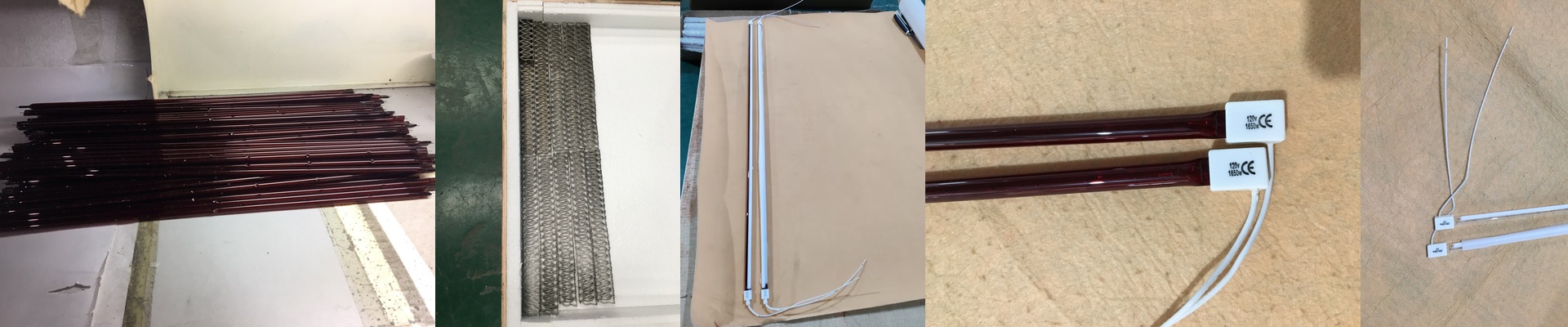
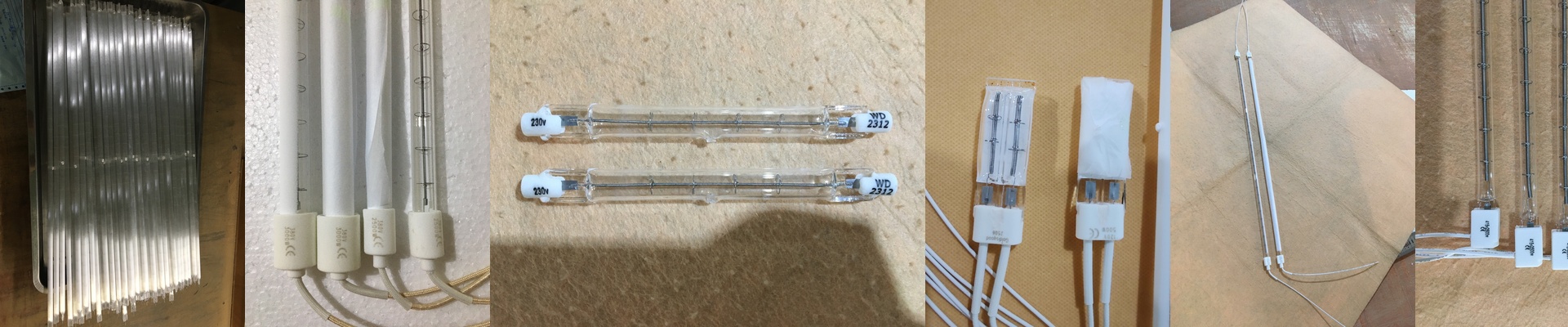
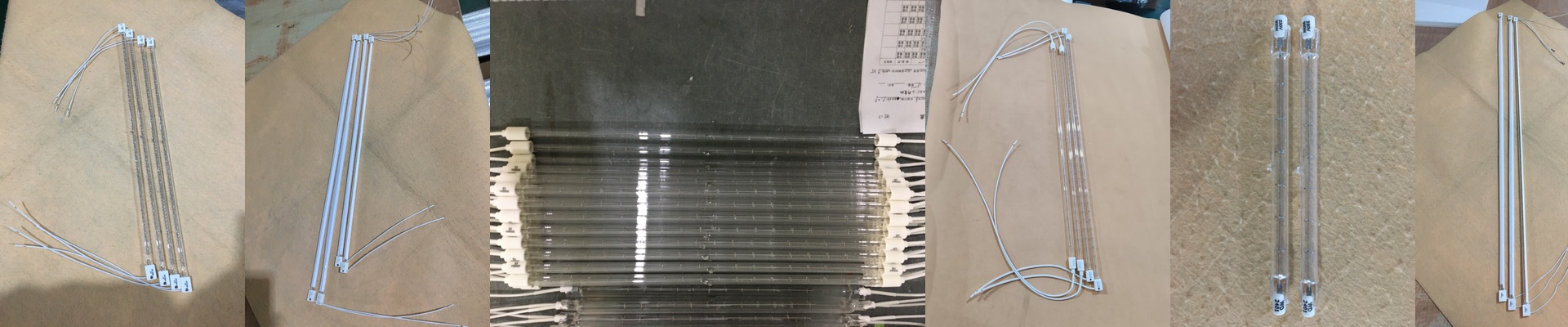
IR lamps don’t mess around with the air. They send electromagnetic radiation straight into the powder coating. We stick with short-wave IR for these setups. Why? Because it punches through the coating fast. It kicks off that chemical cross-linking in minutes, not hours. It’s fast. Really fast. And that means you can crank up your conveyor belt speed without worrying about the finish looking like a mess.
Getting the setup right
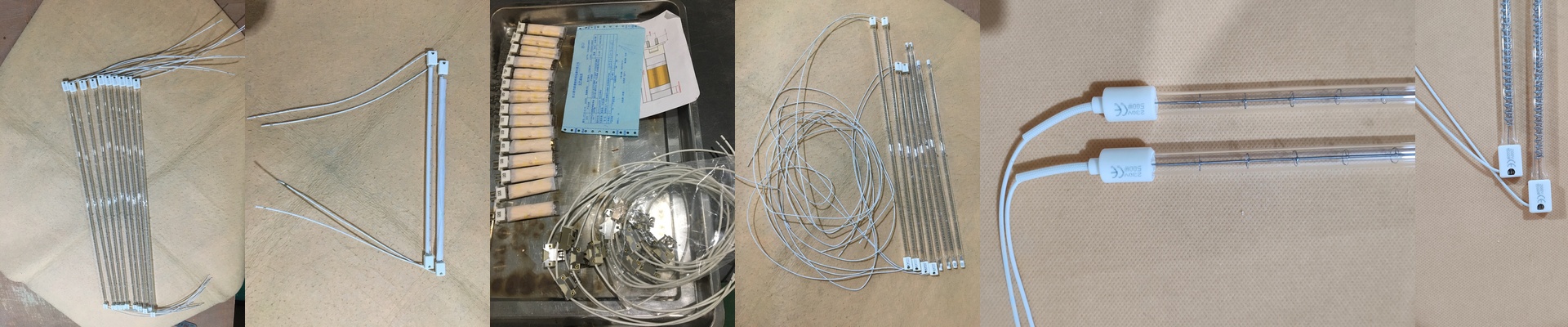
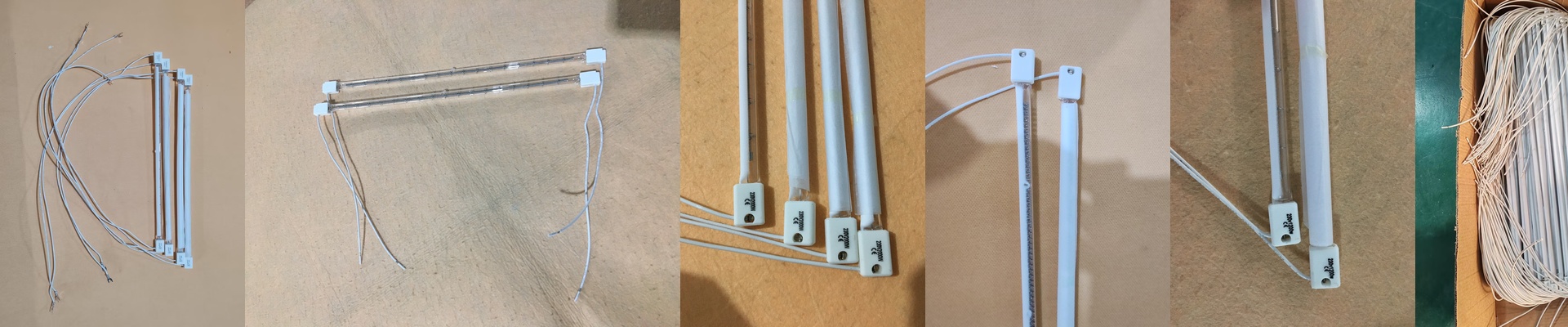
You can’t just grab any random lamp and hope for the best. You’ve got to match the wattage and wavelength to what you’re actually coating. If you go too heavy on the power, you’ll scorch the finish. Go too light, and you’ll end up with that annoying “orange peel” texture or spots that just didn’t cure. It’s a balancing act. One trick we use is zoning. Instead of one big blast of heat, we split the tunnel into pre-heat, peak-cure, and cooling zones. There’s no point in burning electricity in a spot where the part is already hot enough.
The one catch
There is a trade-off. High-density IR arrays pull a lot of juice. These lamps hit their top temperature almost the second you flip the switch. That creates a huge initial spike in power that can fry a cheap electrical setup. Make sure your wiring and breakers are built for that peak startup current. Otherwise, you’ll spend half your morning resetting breakers every time you power up the line. Not exactly the way you want to start your shift.