Getting Carbon Fiber to Cure—Fast.
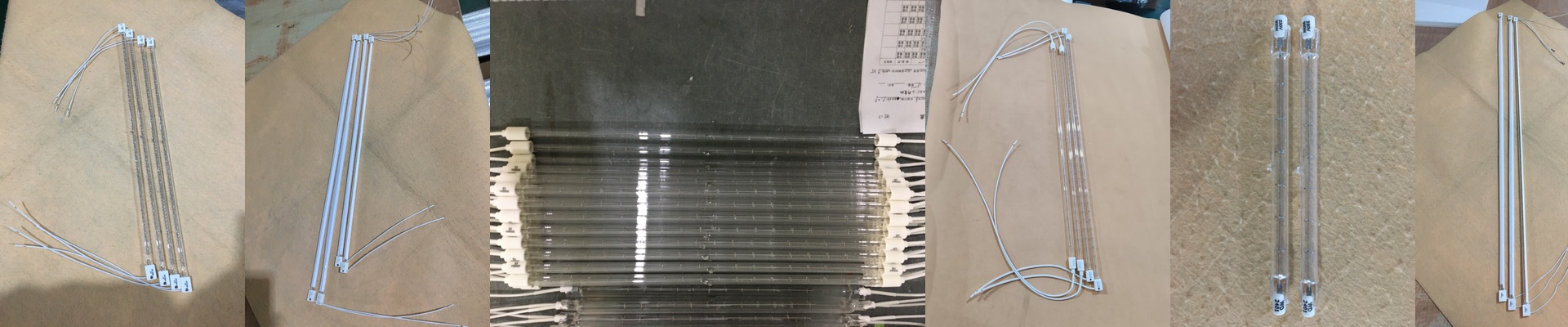
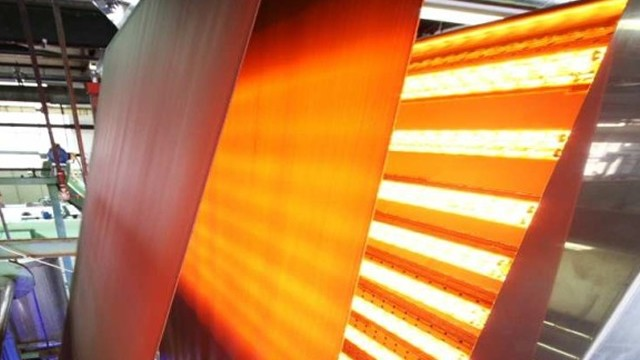
If you’ve ever tried to cure resins on carbon fiber, you know the struggle. Standard heaters just don’t cut it. They take forever to warm up, and half the time, the heat doesn’t even make it deep into the weave. It creates a massive bottleneck in the middle of your production line, and frankly, it’s frustrating. We fix this with custom shortwave infrared (IR) lamps. Instead of warming up the whole room, these lamps punch the heat directly into the coating. It forces the chemical cross-linking to happen almost instantly, without cooking the fabric itself.
The Power Behind the Speed
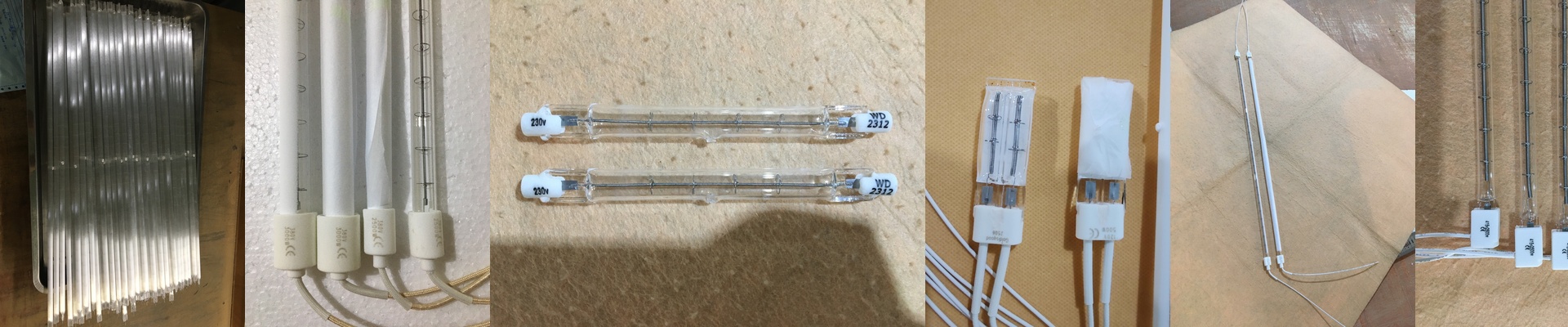
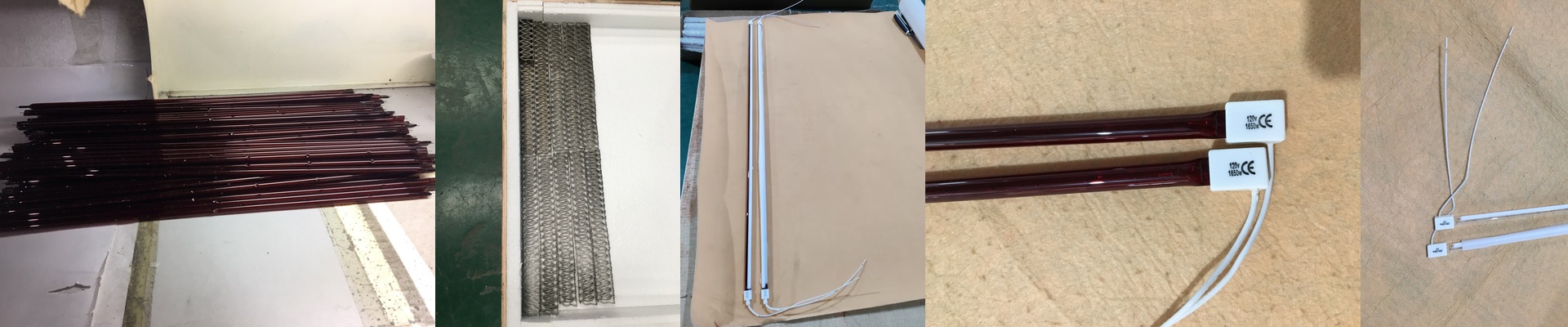
To get that “instant” cure, we load a lot of power into a very short quartz tube. Think of it as concentrating the energy. This is how you get a carbon fiber web to set in seconds instead of minutes. We calibrate the voltage and wattage to match how fast your conveyor is moving. If your line is flying, you need a lamp that hits peak temp the moment the material slides under it. One heads-up, though: these things gethot. Really hot. You can’t skimp on the cooling fans or the housing, or you’ll end up warping your reflectors.
The Nitty-Gritty on Materials
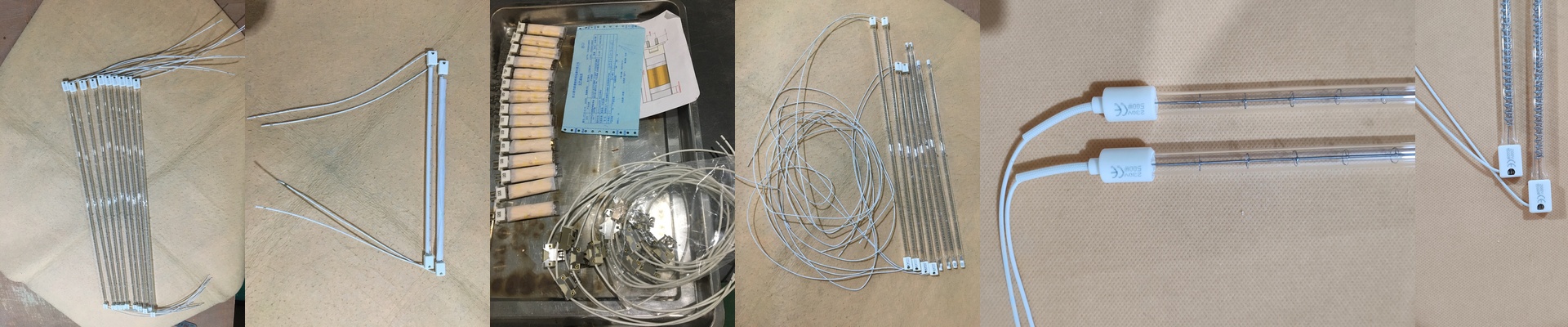
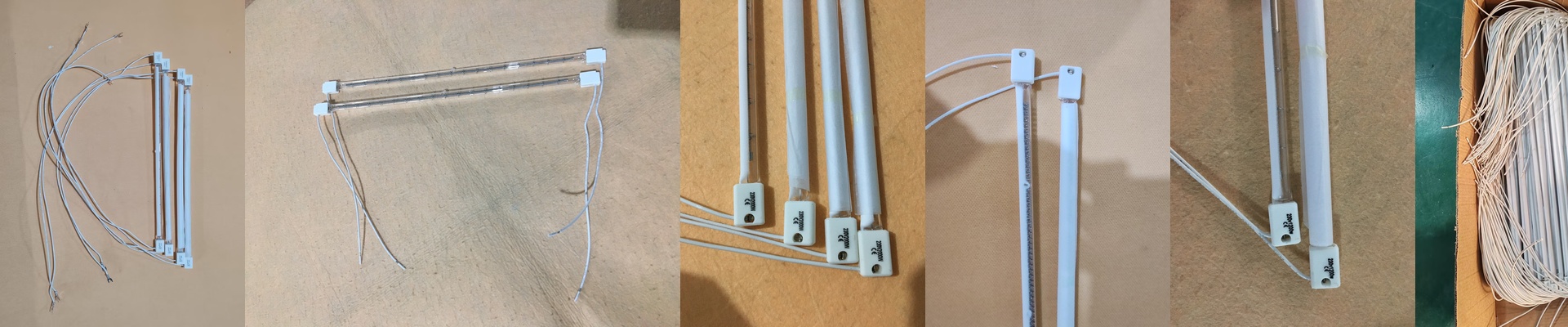
We use high-purity quartz glass because it can handle the thermal shock without cracking. Here’s a neat trick we use: we often apply special coatings to the tubes to shift the emission spectrum. This ensures the resin drinks up the energy rather than the carbon fibers just reflecting it away. For the wiring, we stick to industrial standards like R7s or Sk15. They’re easy to plug in and, more importantly, they won’t melt when you’re running them hard all day.
Making it Work on Your Floor
The best part? These lamps are basically drop-in replacements for those clunky old heaters. By switching to a targeted shortwave setup, you can actually shrink the size of your curing oven. Your cure is faster, and your end product is lighter. Now, the trade-off is that these lamps don’t last quite as long as the medium-wave versions. But when you see how much more you can push through the line in a single shift, the cost of a few replacement bulbs feels like a rounding error.