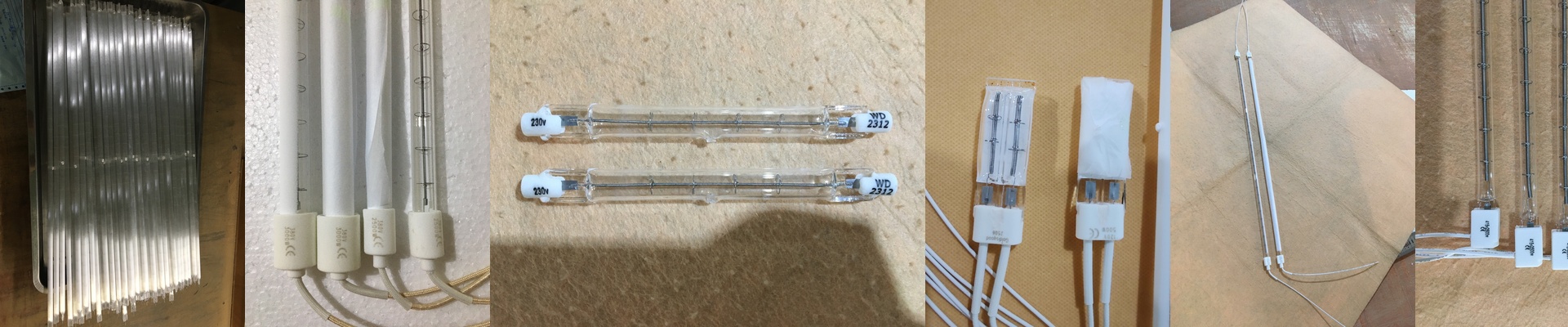
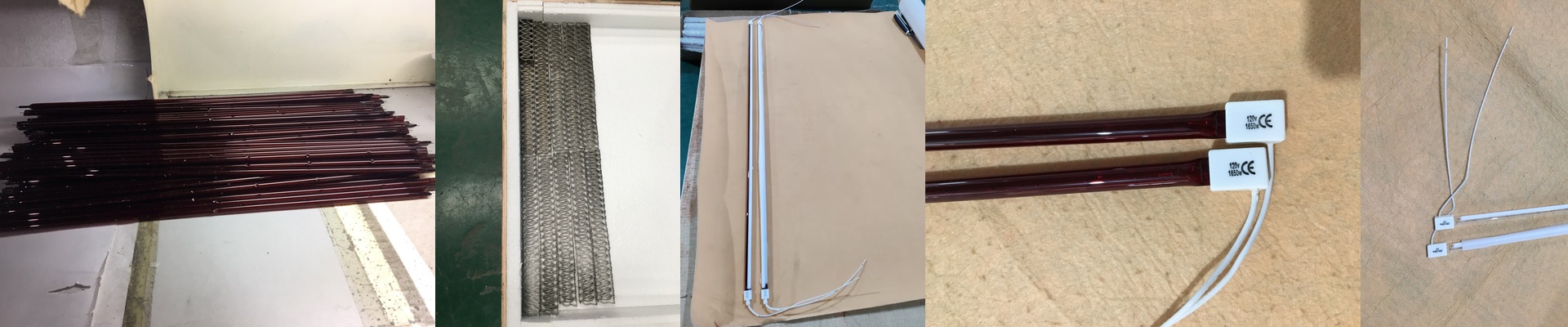
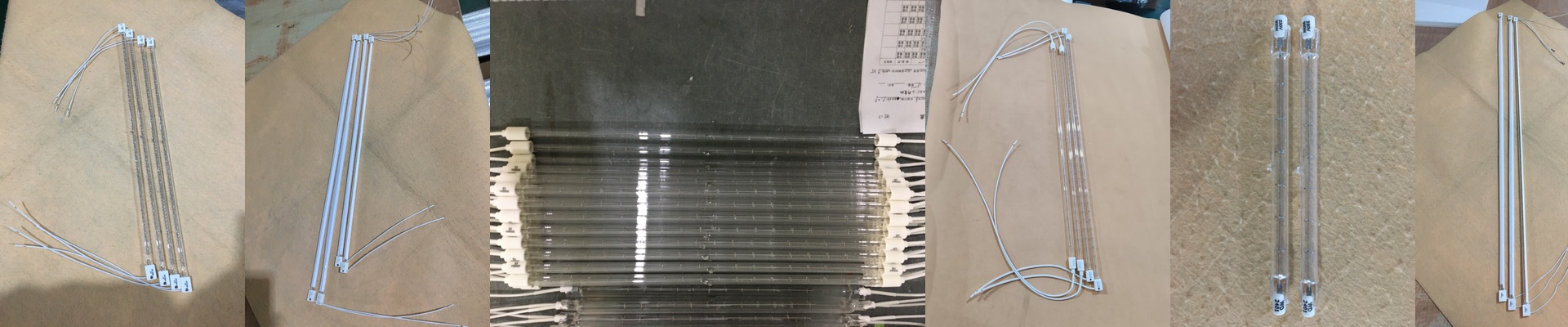
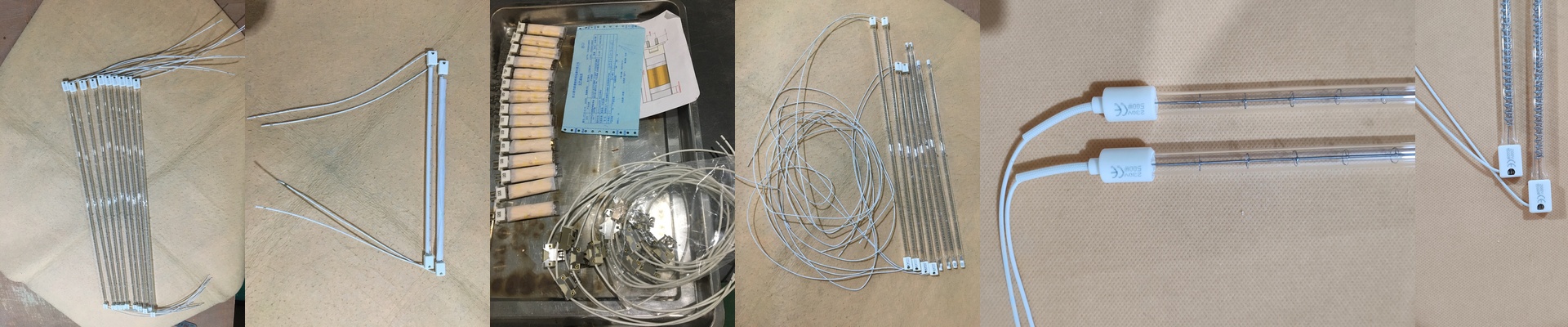
Let’s talk about 400V 3000W Ruby Halogen Lamps
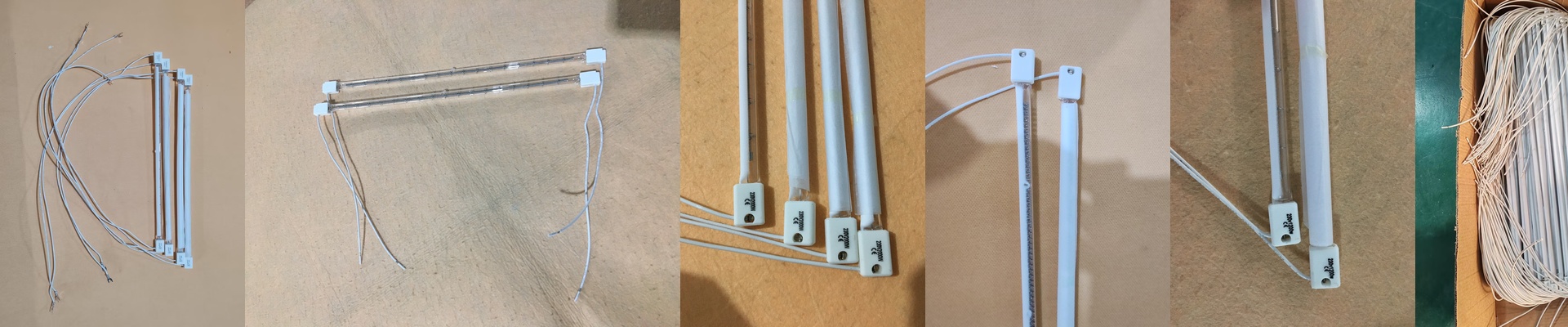
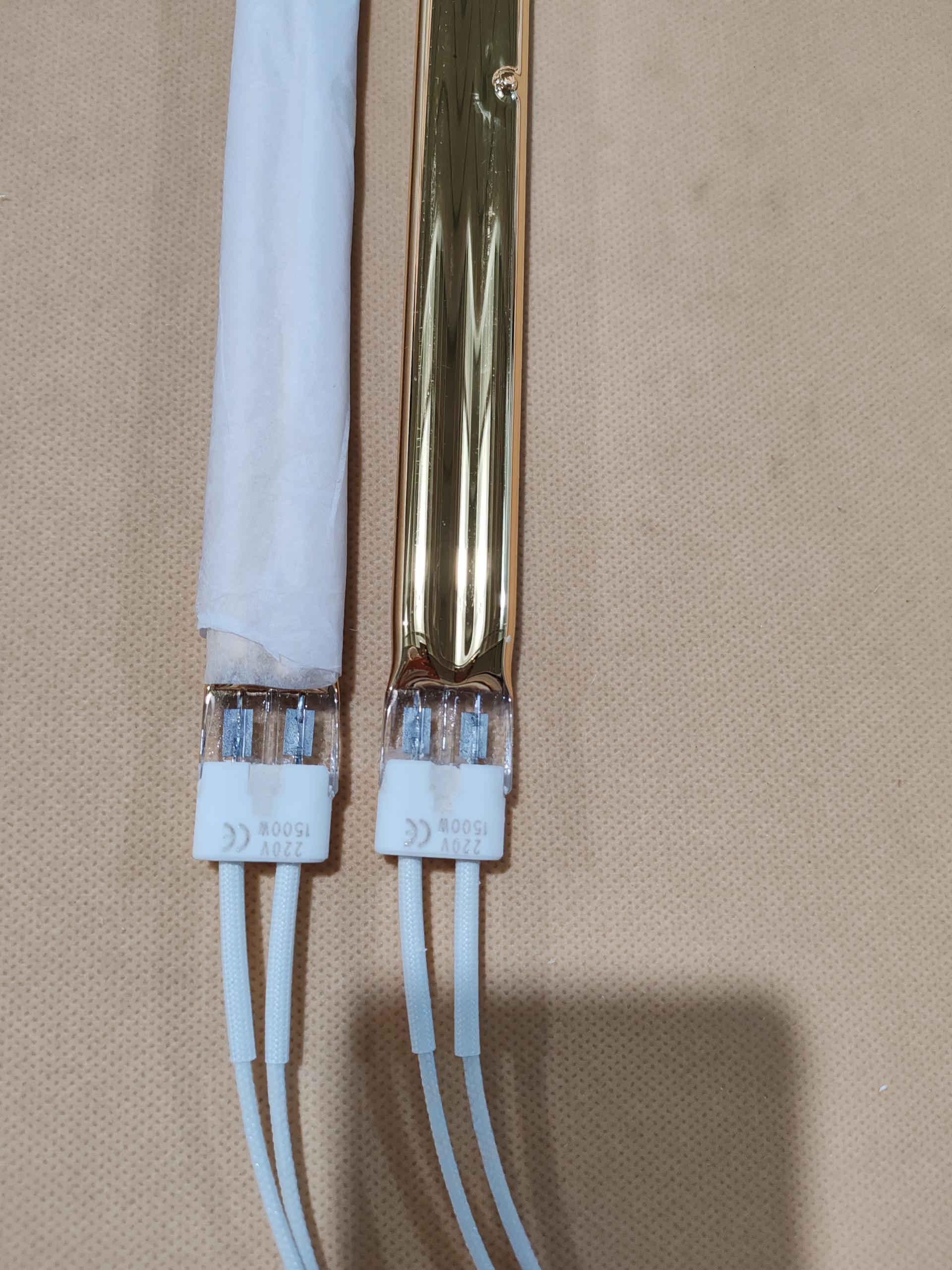
Sometimes, a standard 230V bulb just doesn’t cut it. You hit a wall where you need way more heat, but you don’t have the room to just keep adding more lamps. That’s why we went with the 400V setup. It lets us cram 3000W of power into the same sized tube. It’s a lot of punch in a small package. The nitty-gritty on power and heat When you’re running 400V, you’re dealing with industrial-grade energy. The best part? The speed. You aren’t sitting around waiting for the glass to slowly warm up. The heat hits your target almost the second you flip the switch. We also use halogen gas inside the quartz. This is a lifesaver because it keeps the tungsten filament from evaporating too quickly. Basically, the gas pushes the tungsten back onto the filament, which stops the bulb from turning black and keeps your power steady for much longer. Why “Ruby”? The ruby coating isn’t just for looks. It acts like a filter, focusing the heat on the specific wavelengths your material actually wants to absorb. Here’s the thing: without that coating, you’re wasting a ton of energy just heating up the air around your workpiece. The ruby coating makes sure the energy actually goes where it’s supposed to. One quick tip: these use heavy-duty connectors to handle that 3000W load. If you’re swapping these into an old machine, double-check your sockets. If the connection is loose, 400V will arc and fry your terminals pretty fast. Where this actually matters You’ll mostly see these in PET bottle blowing or plastic curing lines. When you need to soften polymers in a matter of seconds, this is the tool for the job. But a word of caution. 3000W in one tube creates some serious, intense heat. Make sure your cooling fans and heat shields are up to the task. If your airflow is weak, you’ll end up cooking your reflectors and killing the lamp’s lifespan way sooner than you should.