Let’s Talk About quartz Infrared Halogen Lamps
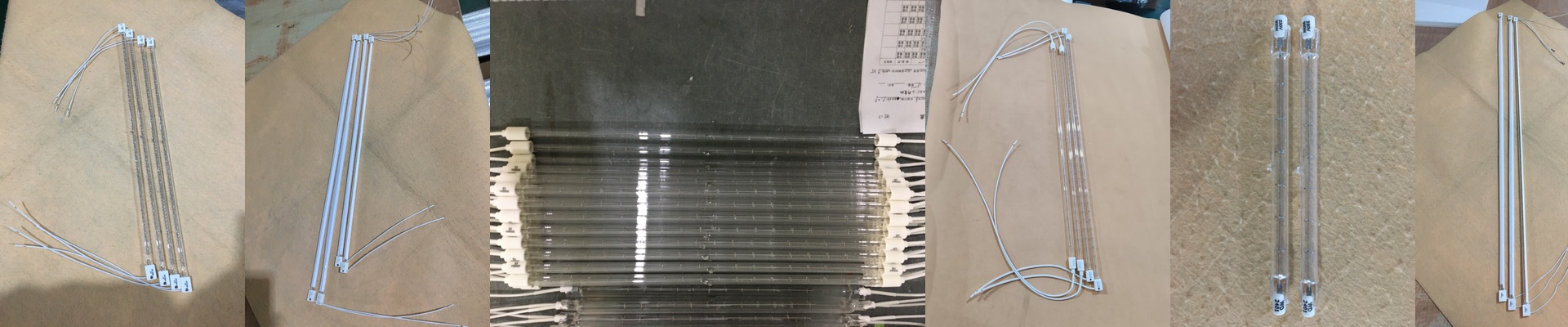
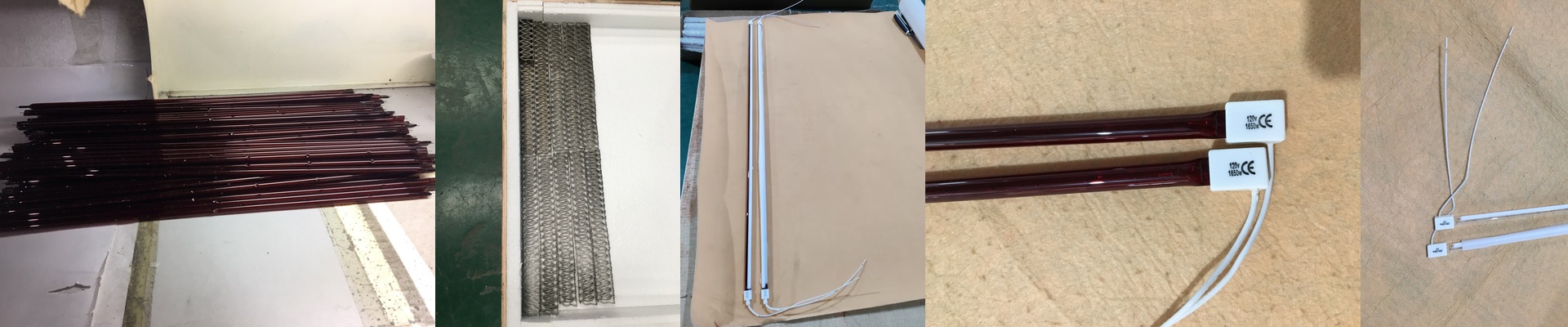
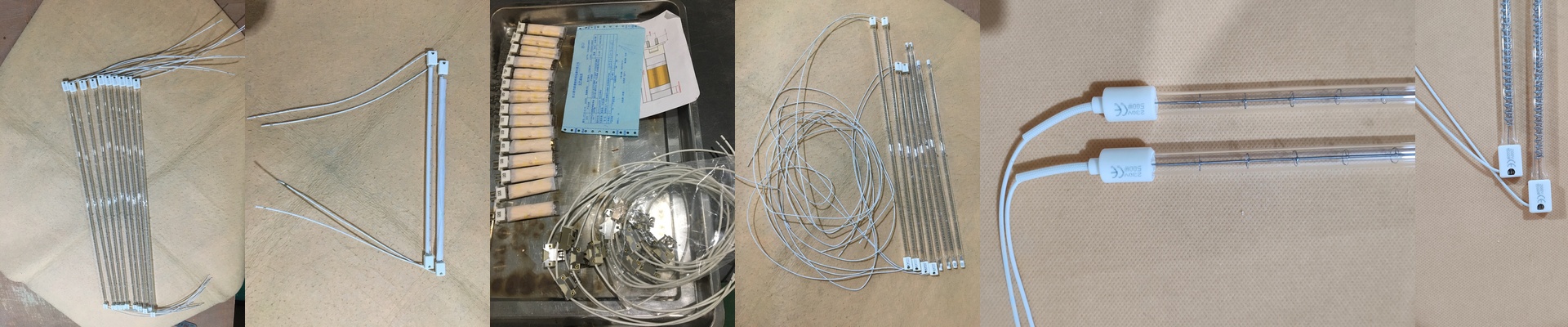
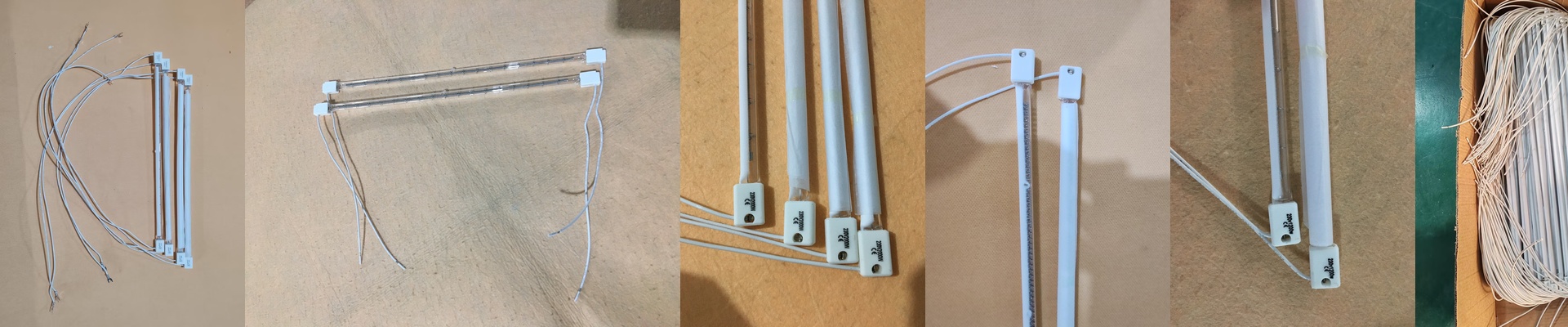
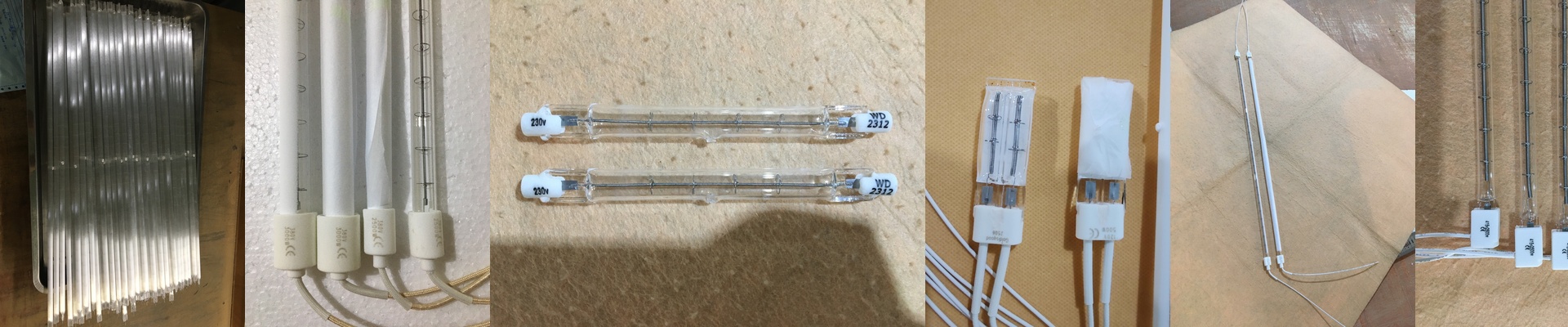
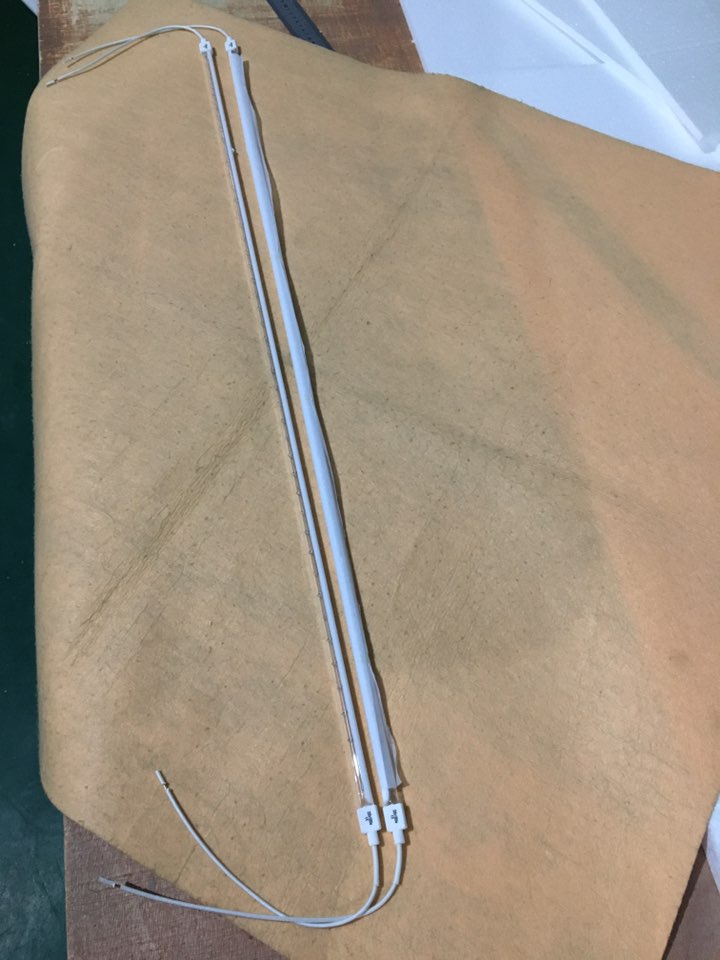
Here is the deal with these lamps: they’re basically a tungsten filament tucked inside a high-purity quartz tube. We pump in a halogen gas mix so the filament doesn’t just evaporate and vanish. Because of that gas, we can crank the heat way up—much higher than your standard IR lamps—which pushes the energy into that shortwave spectrum. Getting the power right When you’re picking a lamp, it’s all a balancing act between wattage, voltage, and how long the tube is. If you need to heat a surface fast, you want high wattage. Now, if you’re using a longer tube, we usually bump up the voltage. Why? To make sure the heat stays consistent from one end to the other. Just a heads-up: your power supply has to be spot on. If you over-volt the lamp, you’ll fry the filament in a matter of hours. It’s just not worth the risk. The nitty-gritty on design Depending on how your machine is set up, we use either R7s or Sk15 connectors. They’re designed to just slide right into most industrial ovens without a fuss. We use quartz glass because it doesn’t freak out when the temperature swings. You can flip the power on and off and the tube won’t crack. Some of our versions even have a special coating. It basically acts like a mirror, pushing the heat forward onto your workpiece instead of letting it soak into the lamp housing. Real-world use (and the catches) You’ll see these all over the place—PET blowing, curing paint, welding plastics. The best part? They hit their operating temperature almost instantly. It’s fast. Really fast. And that makes it easy to control everything with a simple PID loop. But here’s the thing you need to watch out for: shortwave IR doesn’t soak into materials the same way longwave does. It’s intense and localized. Because of that, you can’t skimp on your cooling fans. If the ends of the lamp get too hot, the seal pops, the halogen gas leaks out, and your lamp is toast.