Why Your E-Stop Might Be Killing Your Heaters
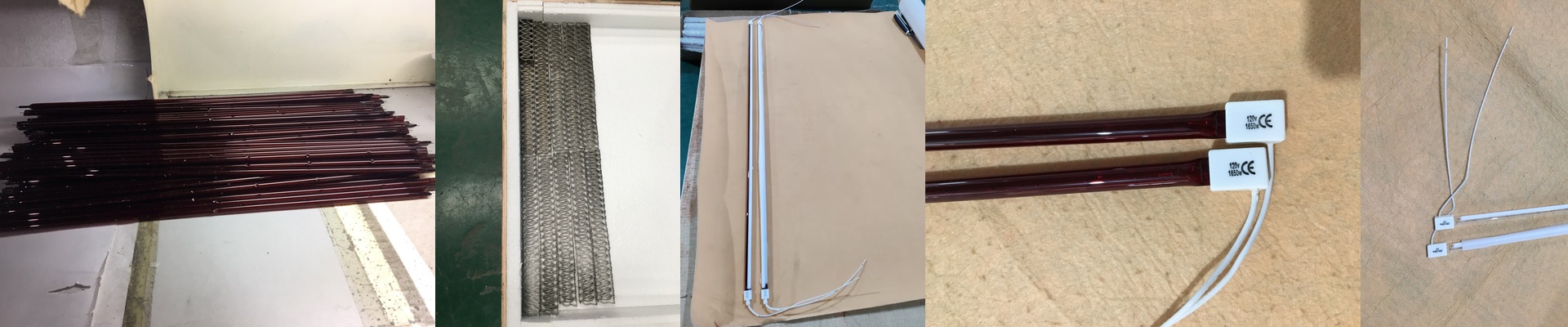
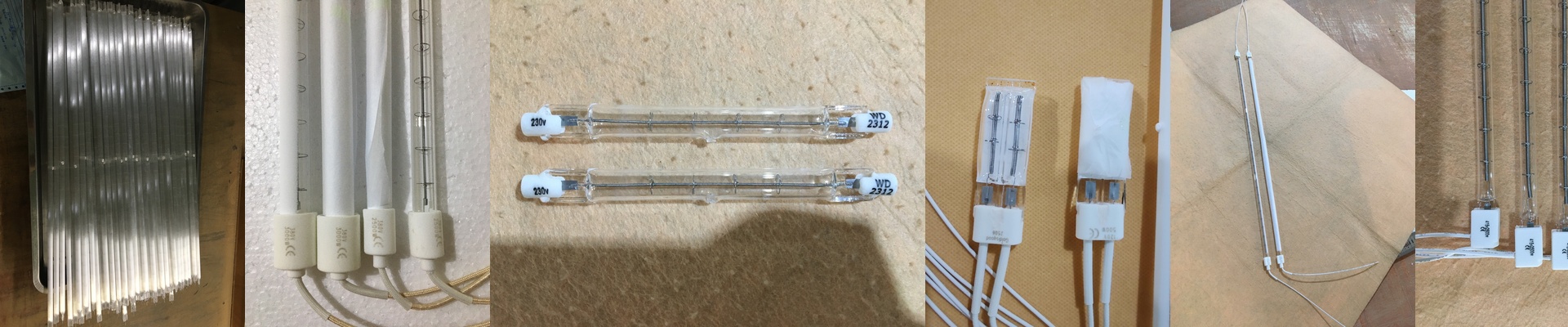
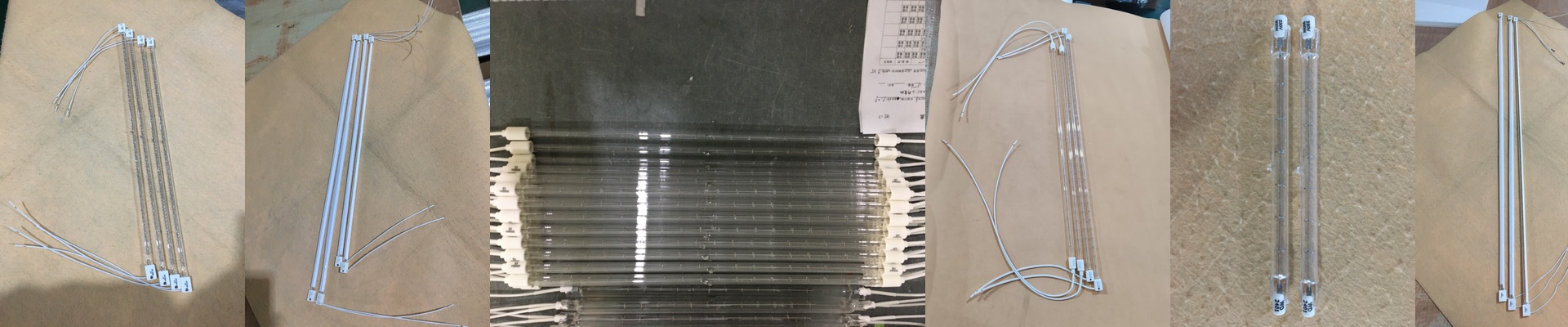
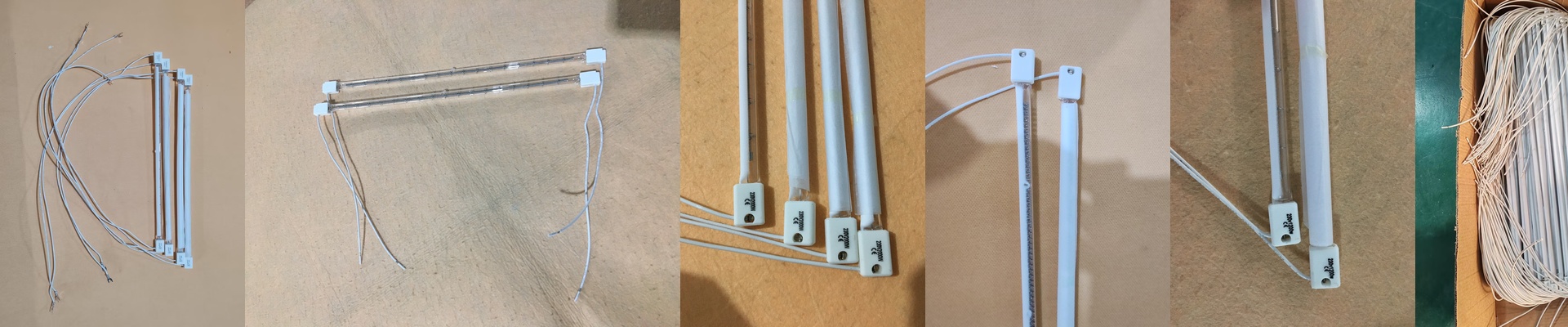
I’ve spent time in about 2,000 different coating workshops. After that many visits, you start to notice a pattern. There’s usually a big gap between what the safety manual says and what’s actually happening on the shop floor. A lot of operators just wire their emergency stops to kill all the power. Simple, right? Wrong. When you’re dealing with high-wattage infrared systems, just pulling the plug isn’t enough. You have to deal with thermal inertia. If you just kill the power, you’re asking for lamp burnout. The hardware side of things Here is the secret: a real E-stop should kill the heat, but keep the air moving. If you shut everything down at once, all that leftover heat in the quartz tubes has nowhere to go. It just soaks back into the reflectors or starts warping the housing. It’s a mess. We handle this by using redundant contactors. We put the high-amp heating load on one circuit and keep the ventilation on a completely separate, isolated one. That way, the heat stops instantly, but the fans keep humming. Wiring for the real world Don’t trust your safety to a piece of software. Code can glitch. We stick to physical, normally closed (NC) mushroom buttons. Why? Because if a wire vibrates loose or a cable snaps, the system just shuts down. It fails safely. And don’t be stingy with them. On long coating lines, we pop these buttons every 5 meters. When a part jams or a chemical spills, you don’t want to be running a marathon to find the off switch. You want it right there. The thermal trade-off Stopping fast saves lives. But it’s rough on your gear. If you cut power to a 2500W lamp and the cooling air stops at the exact same second, you get thermal shock. The tubes can actually crack. The trick is to sequence it. Trip the heaters immediately, but let the blowers run for another two minutes. It lets the system “bleed off” the heat. Your lamps will last way longer, and you won’t be replacing expensive arrays every few months.