Shortwave, Mediumwave, or Twin-Tube? Picking the Right IR Setup for Your Powder Coating
When you’re picking out a heater for your countertops, it’s easy to think you’re just buying a lightbulb. But you’re actually deciding how the heat hits your metal, which ends up controlling your entire workday—how fast you move and how much your electric bill hurts.
Let’s talk wavelengths
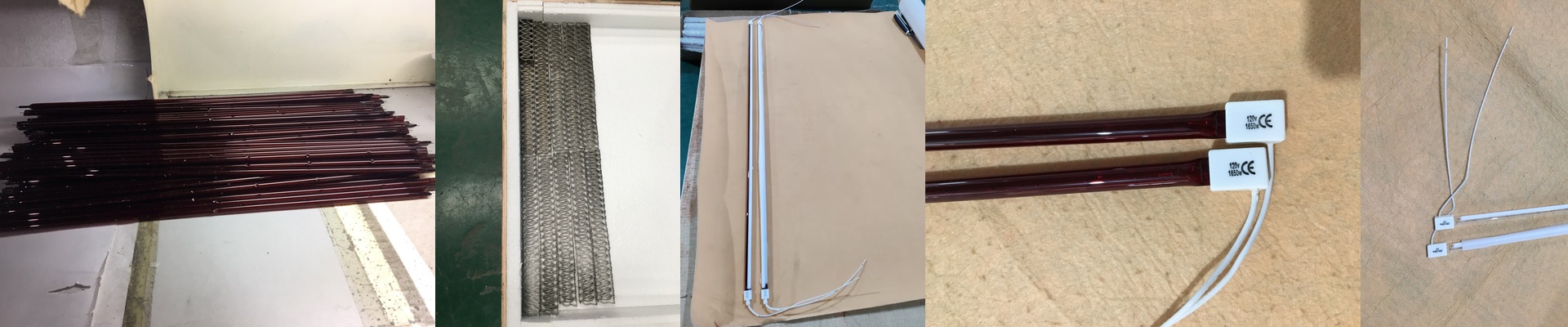
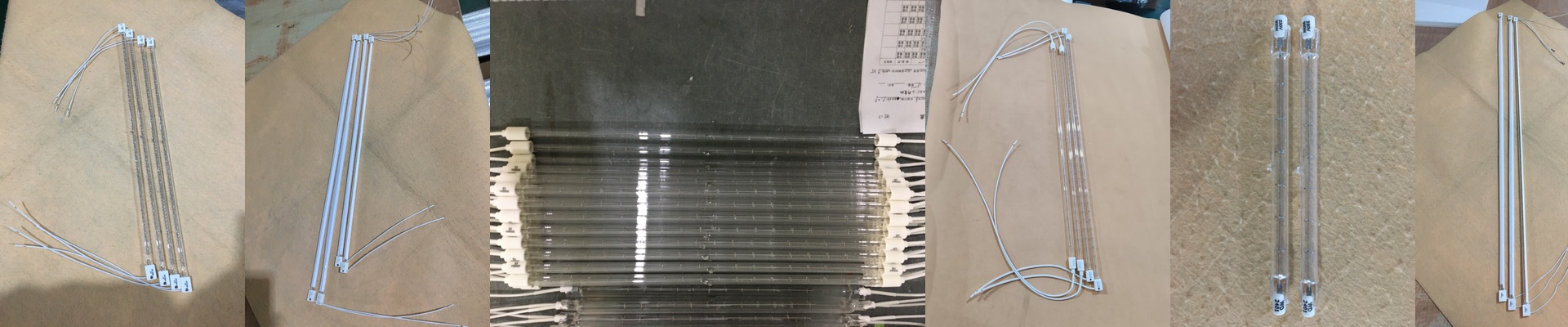
Shortwave IR is like a sprint. It hits the surface hard and fast. If you need to get your parts up to temp in a matter of seconds, this is your best bet. But there’s a catch. Because it’s so intense, it can be a bit temperamental. If your parts have some thick spots and some thin spots, the thin areas might get scorched before the thick joints even wake up. Then you’ve got mediumwave. Think of this as the steady hand. It doesn’t punch as hard as shortwave, but it soaks into the powder coating more evenly. You won’t have to worry as much about burning the surface, though you’ll be waiting a bit longer for the cure.
The “Twin-Tube” trick
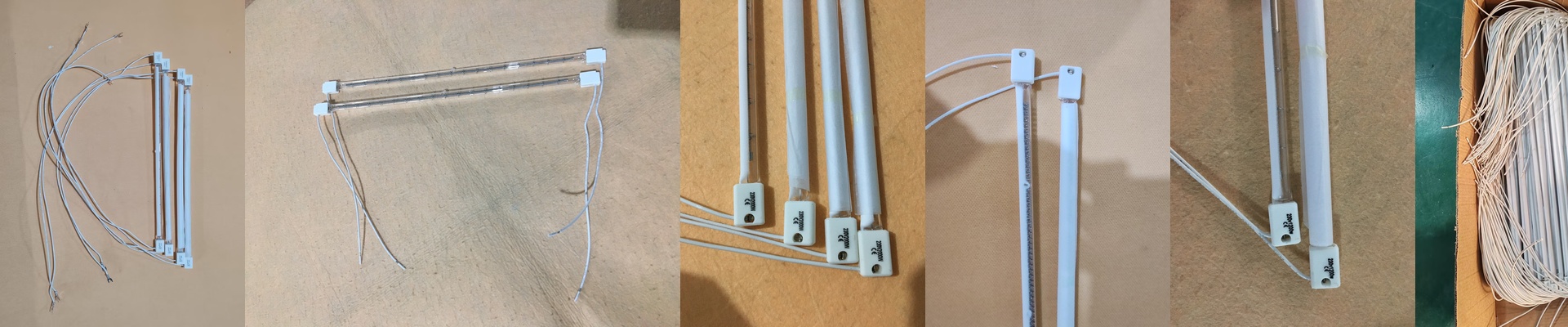
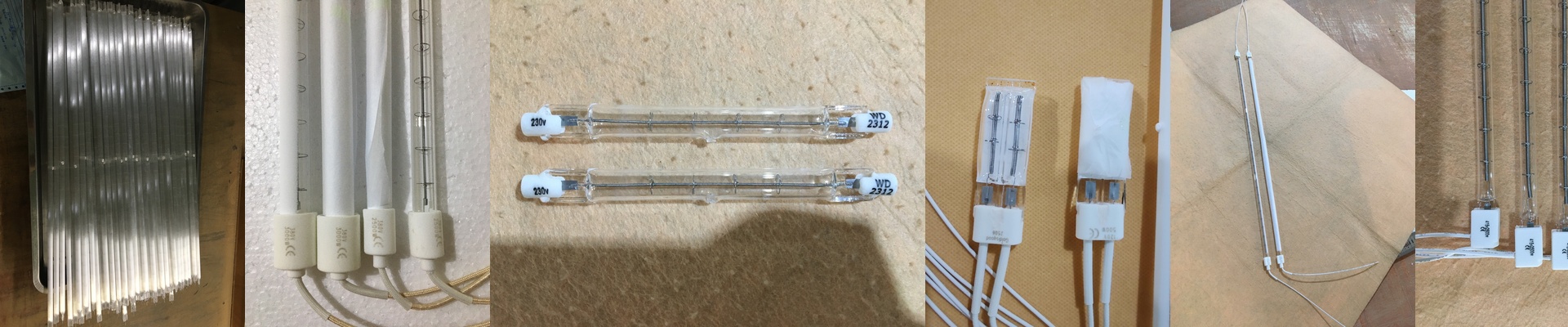
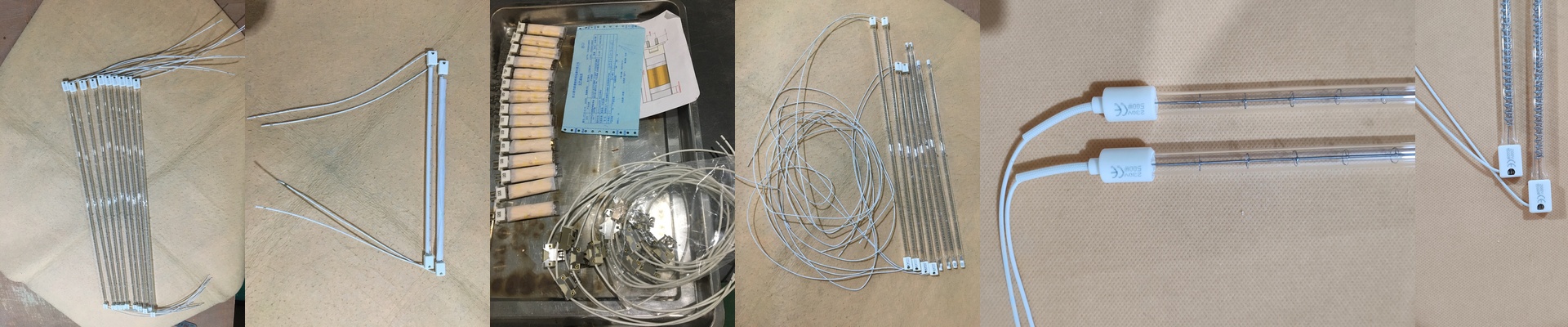
Now, if you’re tight on space, twin-tubes are a lifesaver. Instead of making the heater longer to get more power, we just put two filaments in one housing. You get double the heat in the same amount of room. It’s a great way to beef up your output without having to move your workbench or clear out half the shop.
The real-world trade-offs
Here is the thing about high-wattage lamps: they gethot. Like, really hot. If you go with a heavy shortwave array, you can’t skimp on the ventilation. If the housing can’t breathe, you’re going to fry your wiring and connectors. Not a fun way to spend a Tuesday. There’s also the maintenance side of things. Shortwave lamps work harder and run hotter, so they burn out faster. You’ll be swapping them out more often. Mediumwave tubes hang around longer and give you that steady, reliable soak, but your parts stay in the oven longer. It really just comes down to your pace. Do you need it done now, or do you prefer a slower, steadier rhythm?