Shortwave vs. Medium-Wave: Which Infrared Lamp Actually Works for Your Fabric?
If you’re trying to figure out whether to go with shortwave or medium-wave quartz lamps for your drying line, it really comes down to two things: how wet your fabric is and how fast you need it to move. Both use quartz glass to keep the heating element safe, but the way the heat actually hits the cloth is totally different.
Let’s talk about the science (the simple version)
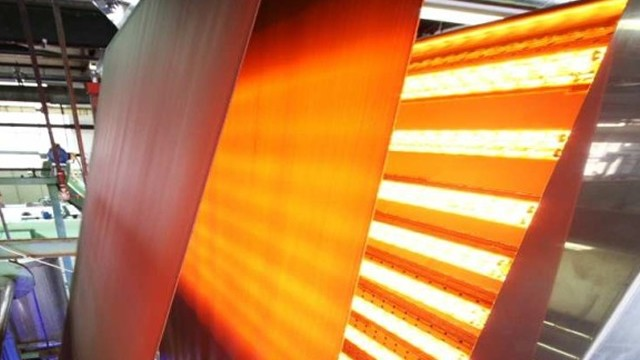
Shortwave lamps run hot. Like, really hot. They push energy deep into the material, which is exactly what you want when you’re flash-drying thick textiles or synthetic blends. It’s fast. Efficient. It just gets the job done. Medium-wave lamps are a bit more relaxed. They operate at lower temperatures and are great at grabbing the water molecules sitting right on the surface. If you’re working with thin cotton and you’re worried about scorching the fabric, this is usually your best bet.
What’s under the hood?
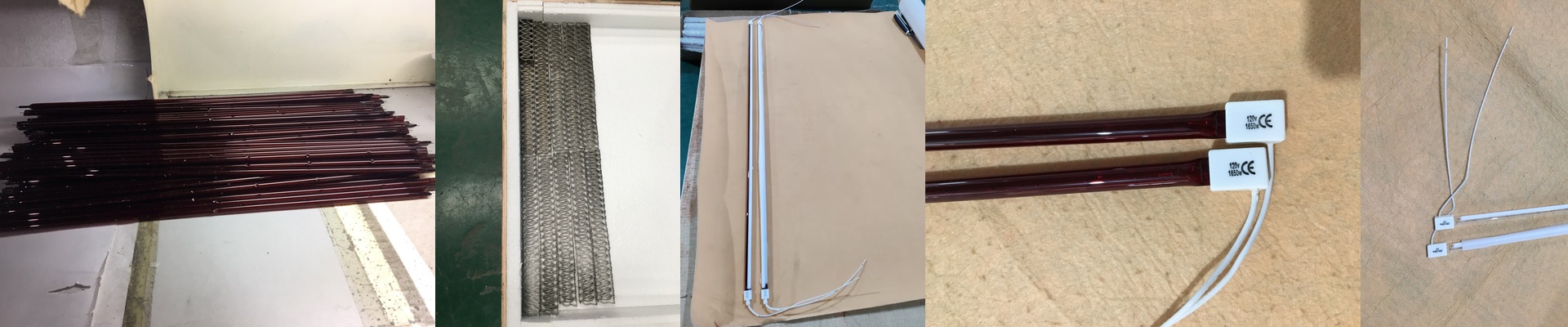
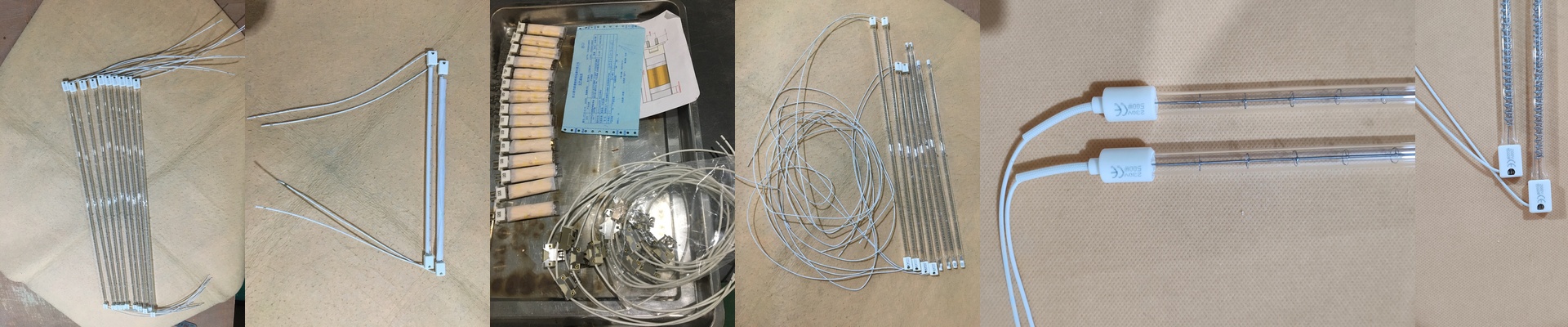
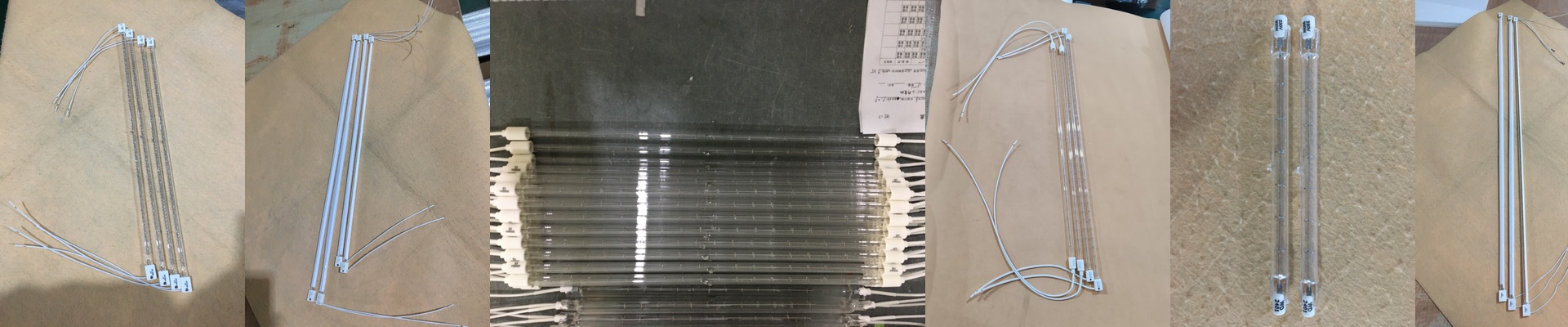
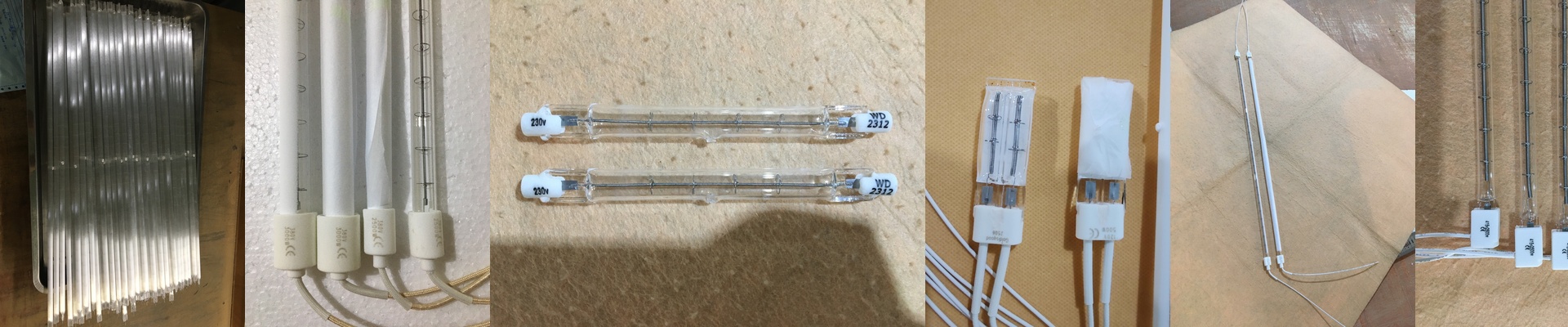
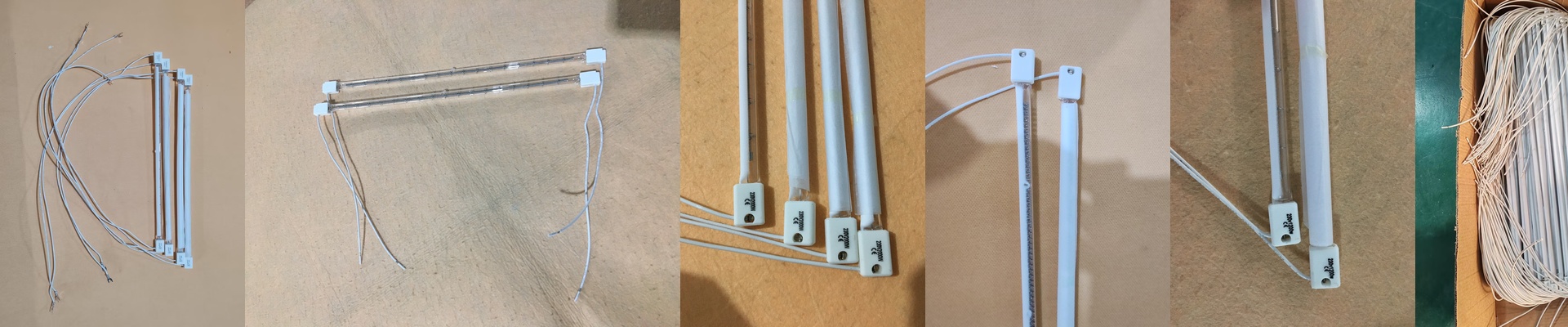
We use high-purity quartz for these tubes because it doesn’t freak out when the temperature jumps around. It can handle that rapid cycling without cracking. Most of the setups we see use halogen-filled tubes. Here’s why: without the halogen, the tungsten evaporates and turns the glass black. Once that happens, your heat output tanks. The halogen keeps things clear and keeps the lamps living longer.
The trade-offs you need to know
High-wattage shortwave lamps pack a punch. Because the heat density is so high, you can actually make your oven smaller, which saves a ton of floor space. But there’s a catch. That intensity can create “hot spots.” If your conveyor speed isn’t dialed in perfectly, you might find yourself burning right through delicate fibers. You have to make sure your line speed and wattage are perfectly in sync, or you’re going to ruin a whole batch of fabric. Medium-wave tubes are much more forgiving. They give you a steady, uniform soak that’s hard to mess up. The downside? They take longer to ramp up. You’ll likely need a longer drying tunnel to get the same results you’d get from a shortwave system. One last tip: please, be careful with your voltage regulators. It’s tempting to over-volt a quartz tube just to squeeze out a bit more heat, but that’s a shortcut to burning out your lamps in a few weeks. Just stick to the rated specs. Your wallet will thank you.