Is Your Old Powder Coating Oven Killing Your Productivity?
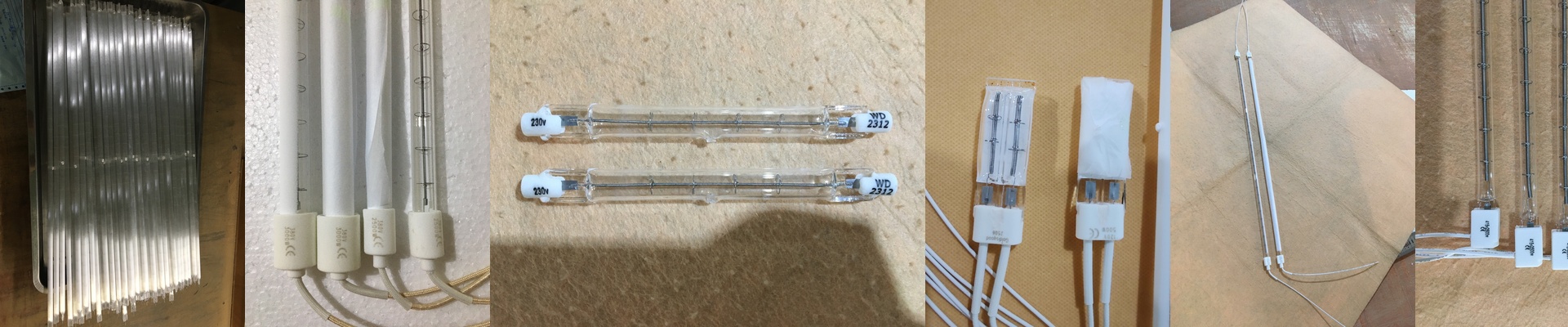
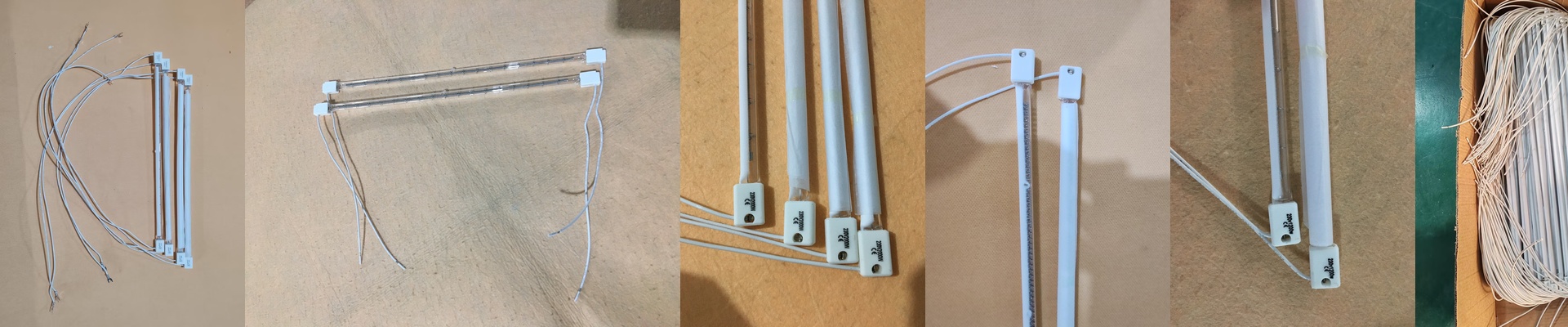
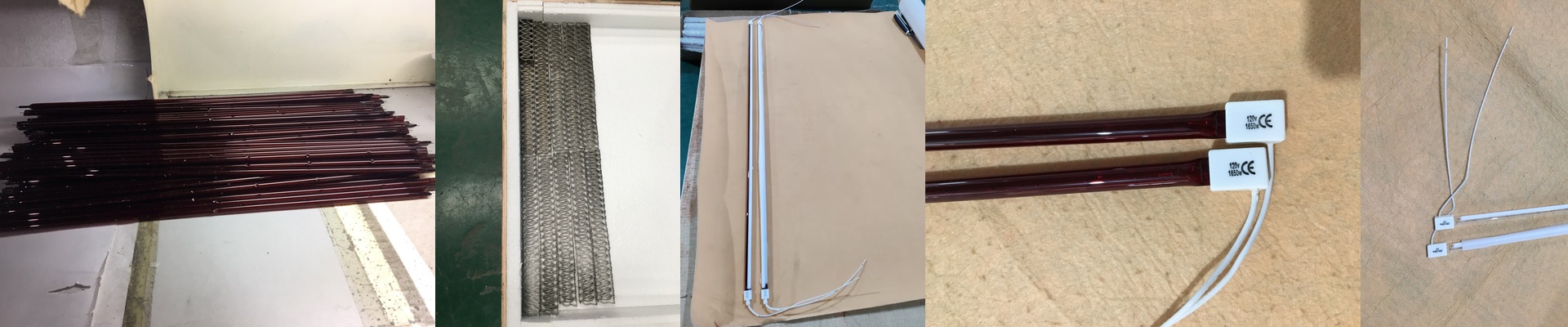
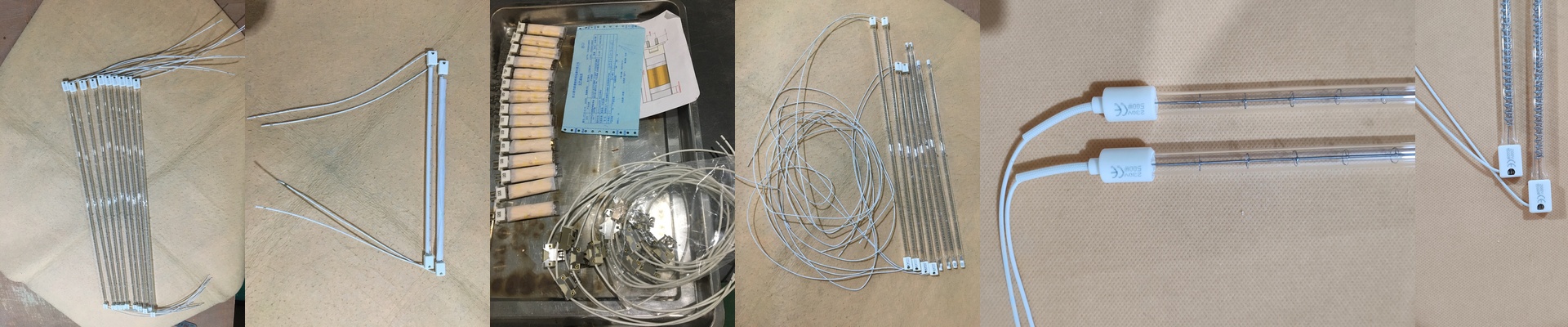
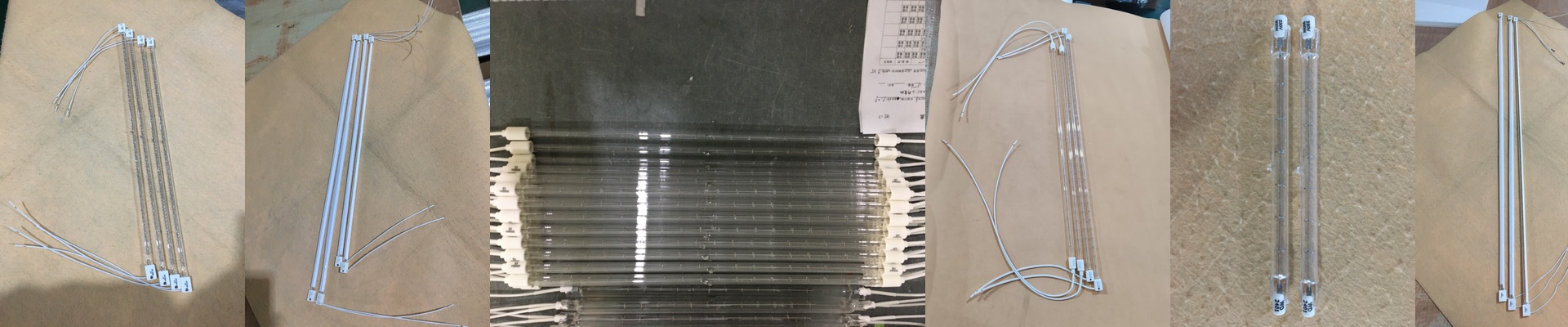
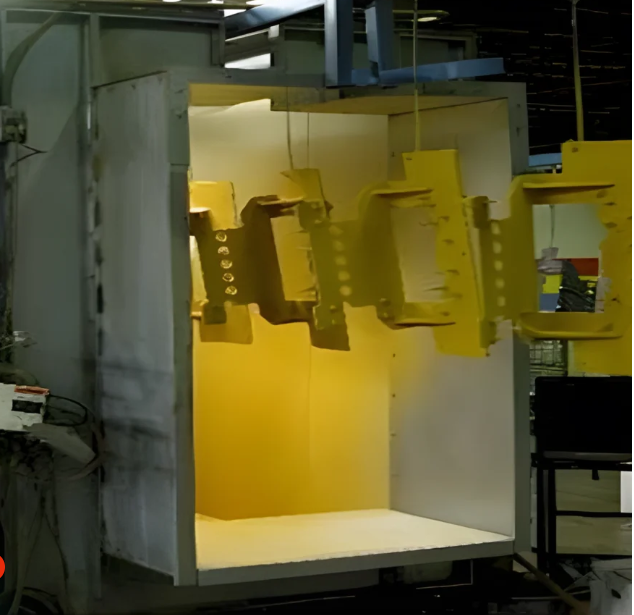
Most powder coating lines are running on ovens that have seen better days. You know the feeling: the curing is hit-or-miss, the energy bills are creeping up, and you’re starting to wonder if the whole thing is just junk. Your first instinct might be to rip the whole oven out and buy a new one. But honestly? That’s usually overkill. More often than not, you can get your productivity back just by swapping out the infrared (IR) elements. It’s a targeted fix that saves you from the nightmare of a full machine teardown. The trick to the swap It’s not as simple as just matching the wattage on a spec sheet. You have to think about how the heat actually moves. Modern short-wave quartz heaters are different. They push energy straight into the powder instead of wasting time heating up the air first. This means your pre-heating happens way faster. But here is the thing: if you drop a high-wattage element into an old housing, you’ve got to check your wiring. Old wires aren’t always built to handle the surge of these high-density tubes. You don’t want to fix your heat only to fry your electrical panel. The nitty-gritty on materials We use heavy-wall quartz glass because it doesn’t snap when the temperature swings wildly. Depending on what you’re coating, we can tweak the quartz to change how the heat hits the part. The goal is to get the heat deep inside the metal rather than just scorching the surface. These are designed to be drop-in replacements, but you’ve got to make sure your seals are tight. If your oven shell is leaking air, you’re basically throwing the benefits of those new heaters right out the window. The trade-off Updating your elements makes your ramp-up speed fly and cuts down the power you use per part. It feels great. But there is a catch. Because the heat is so much more intense, your “cure window” gets smaller. You have a lot less room for error with your conveyor speed. If the line moves too slowly, you’ll over-bake your parts and ruin the finish. You’ll need to spend some time recalibrating your timing to match the new power. It takes a bit of patience, but the output is worth it.