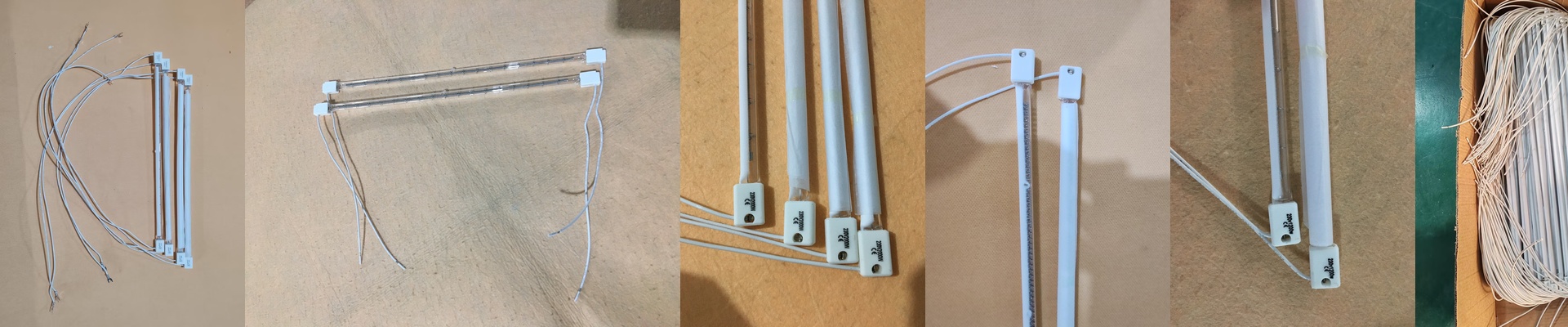

Getting the Heat Right: How We Tune Our IR Lamps for Textiles
We don’t just slap together some lamps and call it a day. We actually spend our time tuning the spectrum. Think of it this way: if the heat doesn’t match the fabric, it just bounces off the surface or heats up the air in the room. That’s a waste of money. We focus on matching the infrared peak to the specific fibers you’re using so the energy actually sinks into the material.
The Secret Sauce (The Physics Part)
Cotton and polyester don’t react the same way to heat. Some like short-wave IR, others prefer medium-wave. To fix this, we mess around with the filament mix and the thickness of the quartz. We narrow the emission band until it hits the exact molecular resonance of your dye or fiber. The result? Your curing and drying cycles get a lot faster. You get deep heat penetration, but you aren’t scorching the surface of the fabric. It’s a much cleaner process.
The Hardware Side of Things
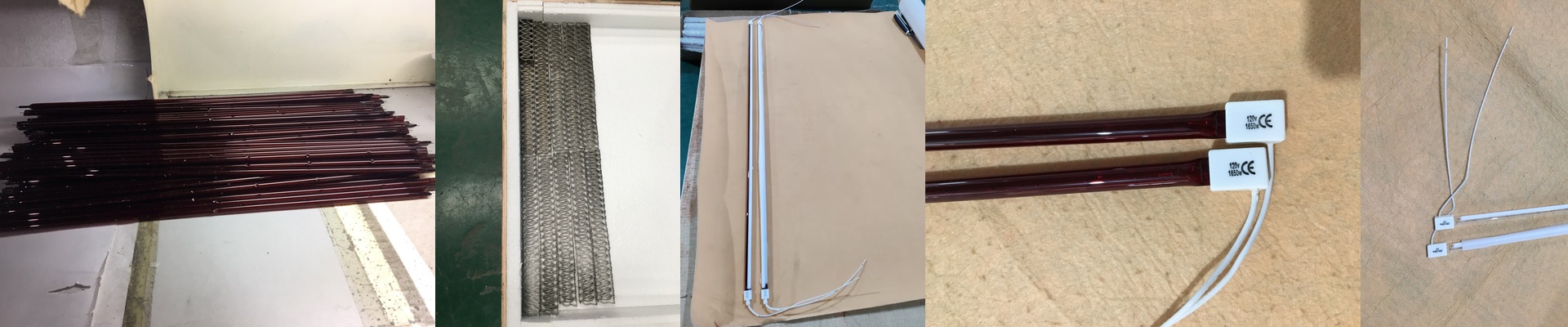
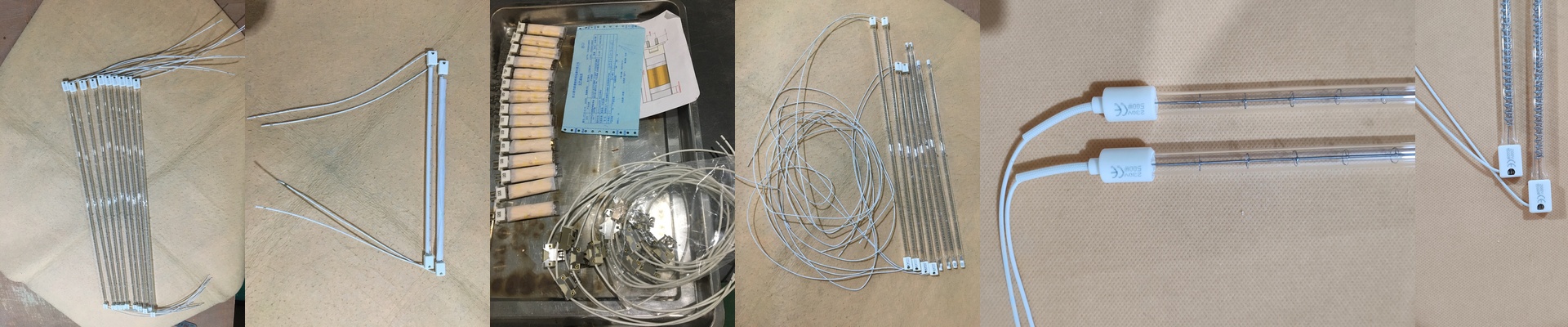
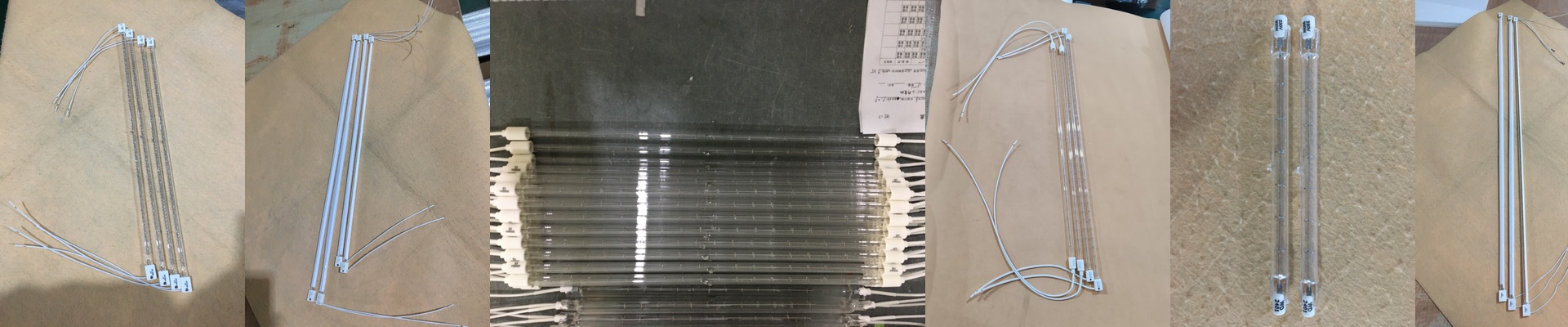
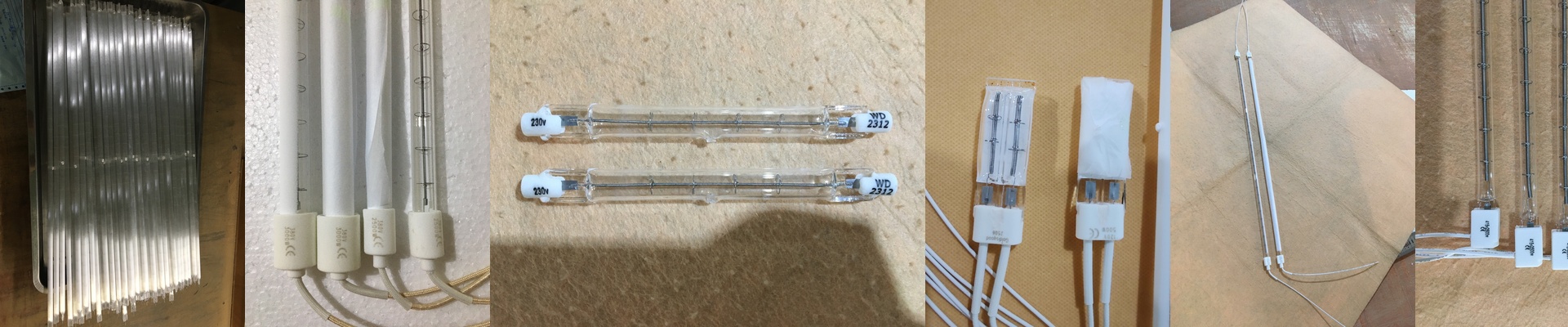
These tubes are built to take a beating. We use high-purity quartz so they can run scorching hot without warping. We also beef up the end-caps because the last thing you need is a gas leak in the middle of a long production run. One heads-up, though: watch your voltage. If your power supply is jumpy, a high-precision lamp will burn out way too early. It’s worth using stabilized power controllers to keep that filament temperature steady. It’ll save you a headache later.
Putting Them to Work
We designed these as drop-in replacements. They should slide right into your existing textile curing ovens and fit your current reflectors. But here’s the thing—your mirrors have to be in good shape. If they’re pitted or just slightly off-center, you’re losing about 20% of your heat density. It doesn’t matter how precise our spectrum is if the reflector isn’t doing its job. And to make things easier, we offer a few different connector options. You can get them wired up fast without worrying about loose contacts or messy solder joints that might arc when the load hits.