How Our Infrared Lamps Actually Stack Up
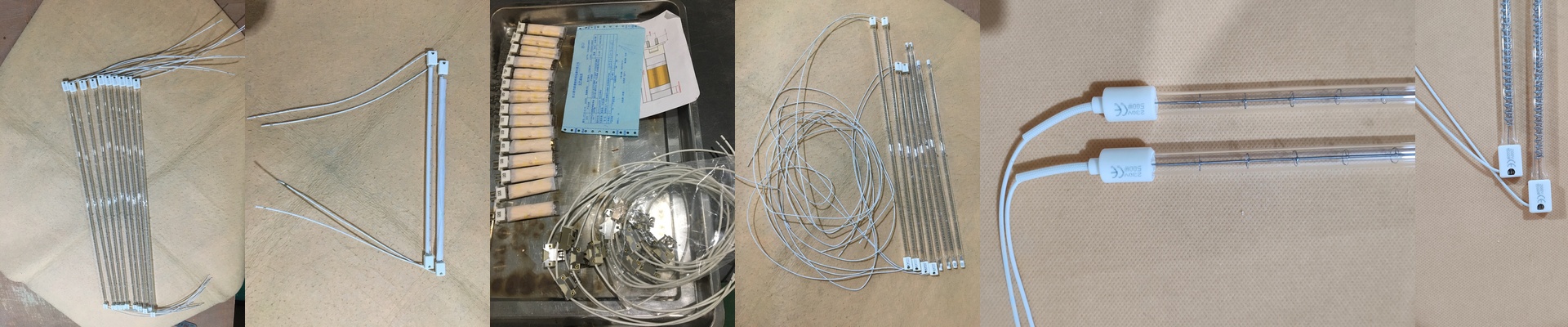
Look, we didn’t set out to just make another heating lamp. We built these to go head-to-head with the big, expensive global brands. When you pull out a name-brand tube and slide ours in, you shouldn’t feel a difference in heat or lifespan. Period. If our lamps don’t hit those same marks, we’ll just refund you the price difference. We’re that confident in the physics.
Getting the heat where it needs to go
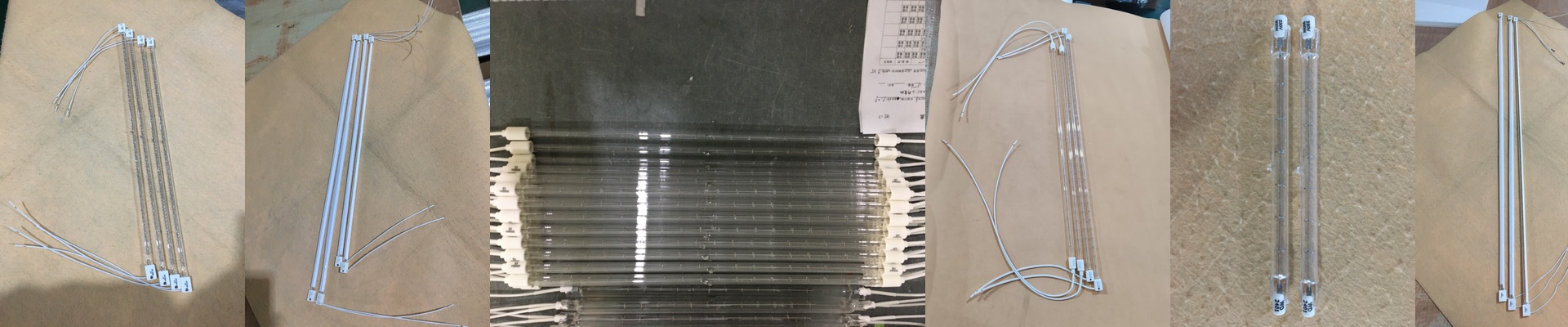
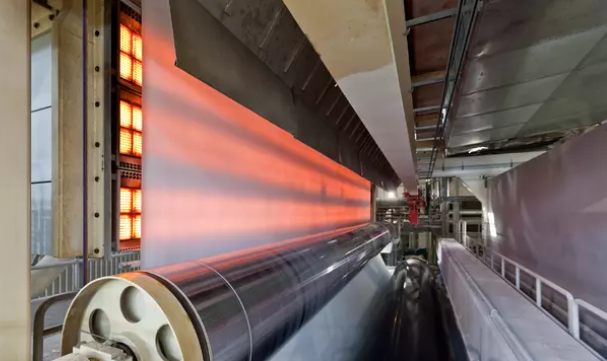
Industrial heating isn’t about making a room feel cozy. It’s about moving energy—and moving it fast. We pack a lot of wattage into a short length to keep the heat flux high. By using 400V, we can push a ton of power through the filament without worrying about the wiring melting down. It basically means you get more BTUs without needing a massive footprint.
The glass and the “secret sauce”
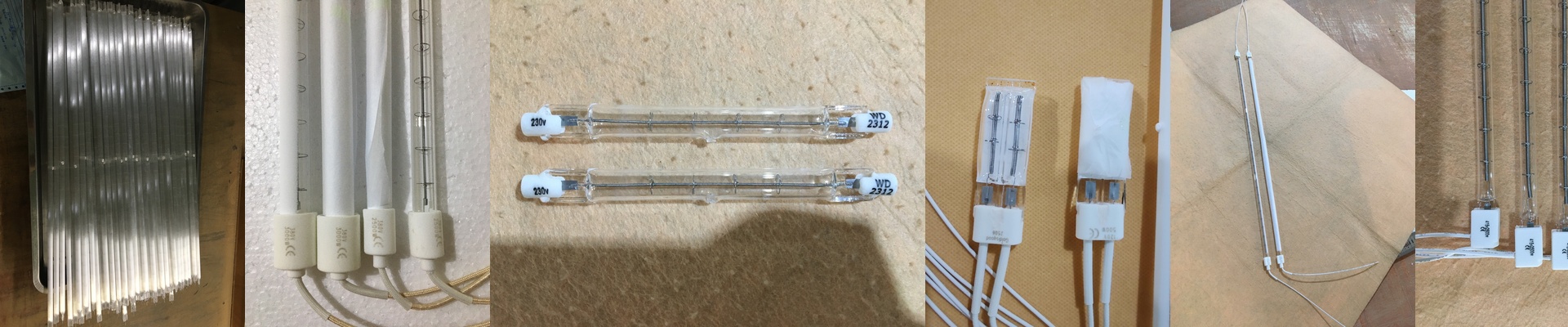
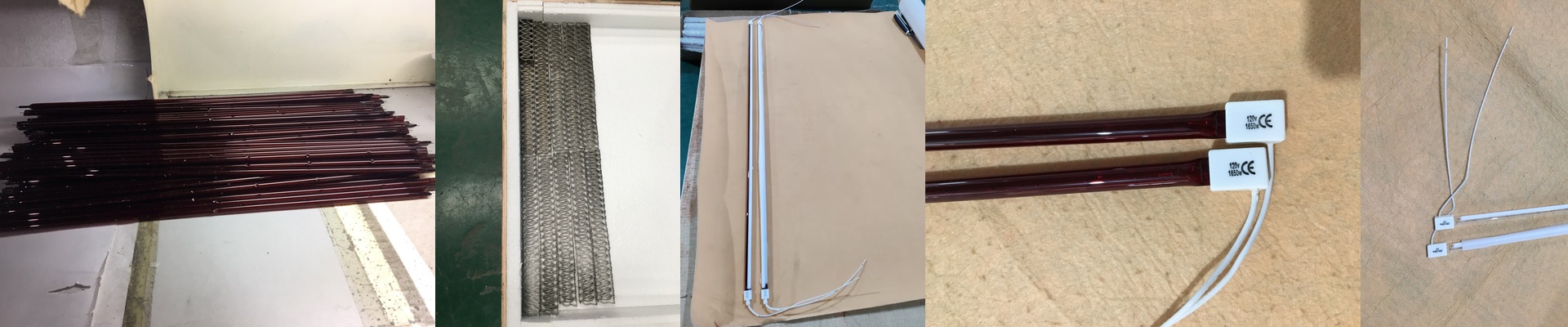
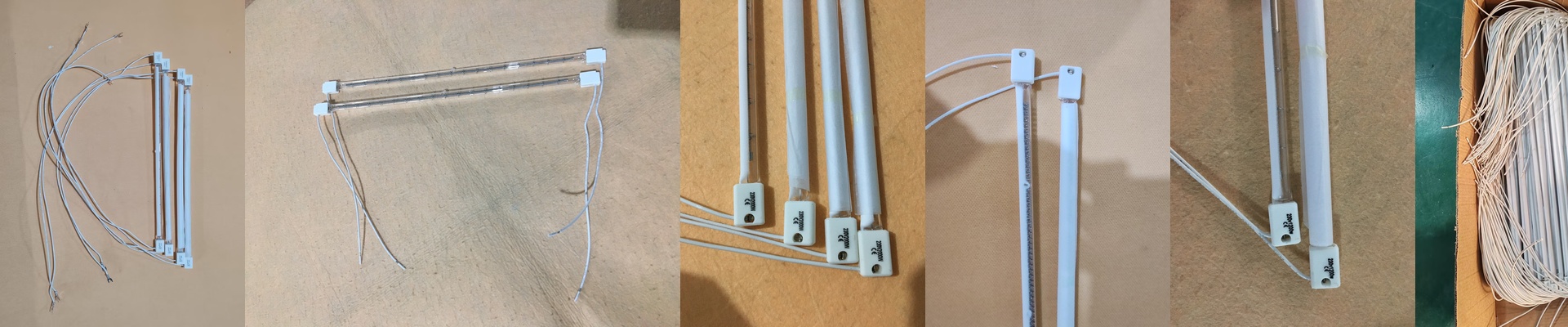
We use high-purity quartz because standard glass would just shatter the second the filament hits its peak. Depending on what you’re heating, we also add specialized coatings. This is important because it changes how the heat behaves. Instead of just scorching the surface of your material, the heat actually sinks in. As for the fit? We use standard R7s and SK15 connectors. They’re drop-in replacements. You won’t have to spend your afternoon rewiring housings or bending brackets just to get things running.
A few things to keep in mind
Here’s the catch: high-wattage tubes are beasts, and they put a lot of stress on your reflectors. If your mirrors are pitted or oxidized, you’re basically throwing 20% of your energy away. It’s worth spending a few minutes every six months just checking the finish. Also, these things ramp up fast. Really fast. Make sure your control system has a responsive PID loop. If it’s too sluggish, you’ll overshoot your target temperature and end up melting your workpiece. And nobody wants that.