Shortwave vs. Midwave Quartz Lamps: Which one actually works for your textiles?
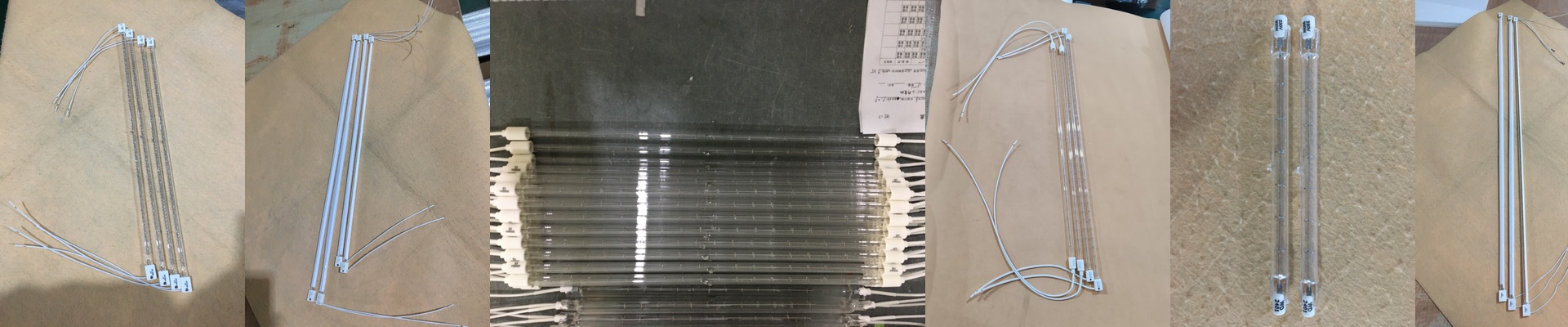
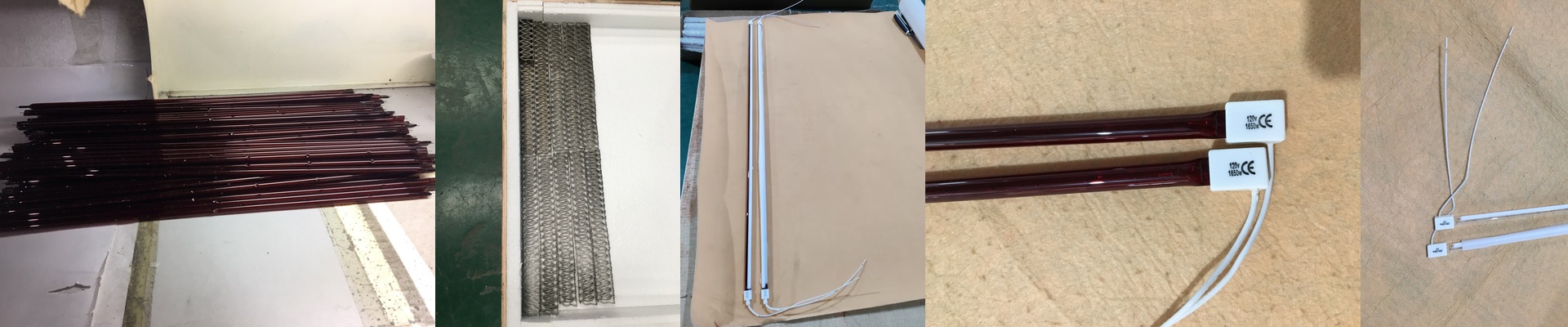
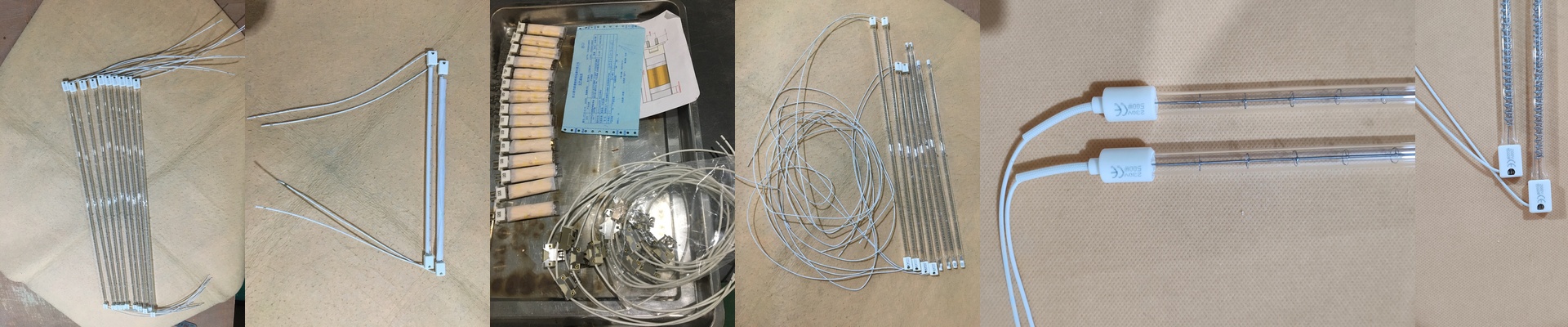
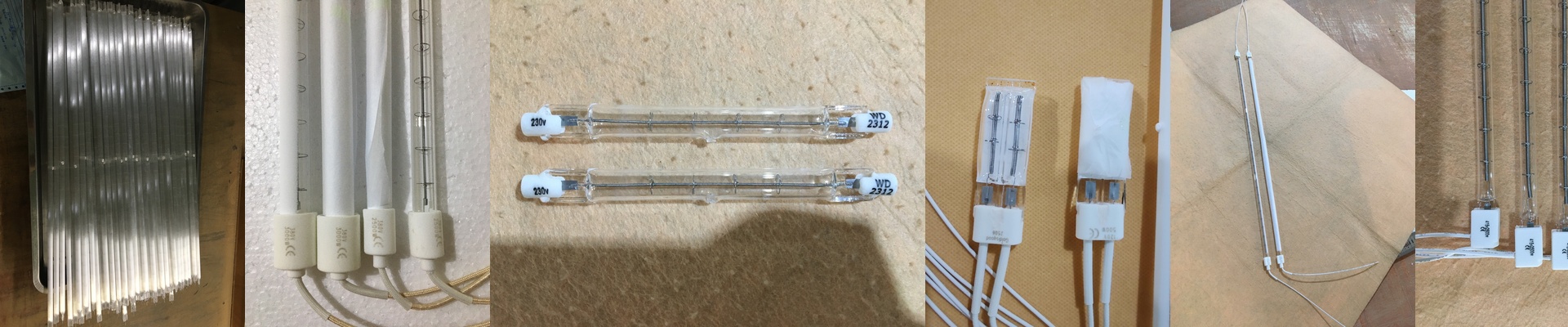
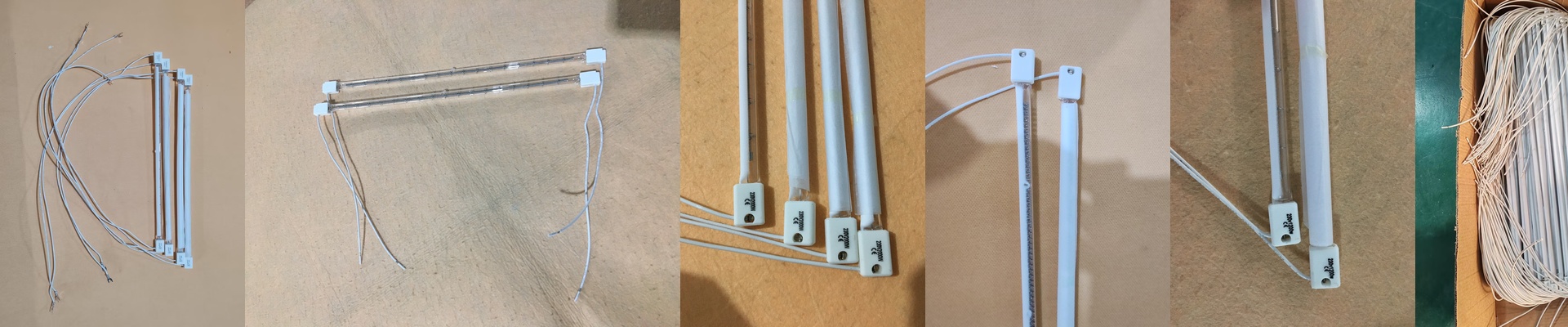
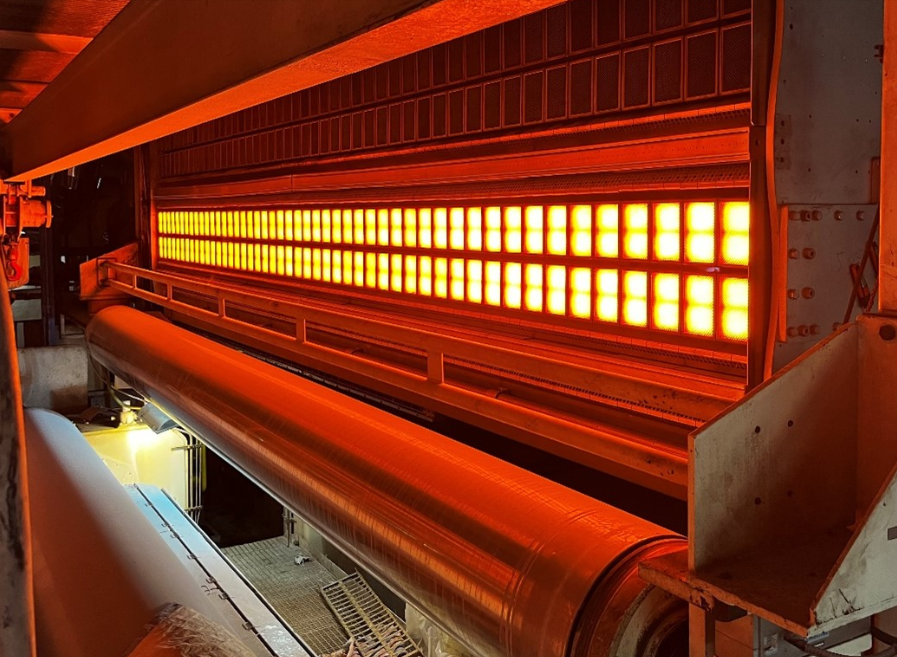
If you’re putting together a drying line for fabrics, you’ll probably hit a crossroads: shortwave or midwave infrared. Most people ask which one is “better,” but that’s the wrong question. It really just comes down to how your specific fabric likes to soak up heat. Let’s talk wavelengths. Shortwave IR is like a powerhouse. It hits the material with high-intensity energy that bores deep into the fibers. It’s your go-to when you need to flash-dry a surface or get through a thick, heavy pile in a hurry. You’ll see a temperature spike almost instantly. It’s fast. Really fast. Midwave is a different animal. Its wavelength is a near-perfect match for water molecules. Since drying textiles is basically just a fight against moisture, midwave is usually the smartest play for efficiency. Instead of wasting energy heating up the air around the fabric, it goes straight for the water. The grit and the gear. We use high-purity quartz for these lamps for a reason. Imagine powering up a 2000W tube from a dead cold start—that’s a massive amount of thermal shock. Quartz can take that beating without cracking. But you’ve got to keep an eye on your housing. Shortwave lamps run incredibly hot. That puts a lot of stress on your reflectors. If they get dirty or start to warp, you’re basically throwing your heat density out the window. Midwave runs a bit cooler, so your hardware tends to last longer. The trade-offs. Shortwave gives you a ton of heat in a tiny footprint. If you’re running a high-speed line, it’s a dream. Just be careful—if your conveyor speed isn’t dialed in perfectly, you can scorch delicate synthetics before you even realize it. Midwave is much more forgiving. It gives you a nice, uniform dry that’s harder to mess up. One last thing: don’t skimp on the electrical side. Higher wattage tubes need heavy-duty wiring and steady voltage. If your power supply is jumping around, you’re going to burn through filaments way faster than you should. Just look at your fabric’s moisture and how fast your line is moving, and you’ll know which way to go.