Stop Replacing Your Infrared Heaters Every Other Week
Textile curing and drying lines are brutal. They run hard, they run hot, and they don’t stop. If you’re swapping out burnt-out bulbs every few weeks, you’re dealing with more than just a parts bill. You’re losing production time and tossing a mountain of quartz glass into the trash. It’s frustrating. The trick to actually hitting those zero-waste goals isn’t finding a “cheaper” bulb. It’s about changing how the heater is designed in the first place.
How we keep the filaments alive
Here’s the thing about tungsten filaments: they evaporate. Eventually, that vapor coats the inside of the glass, the light can’t get through, and the bulb dies. To stop that, we use a halogen cycle. Basically, we put a halogen gas inside the quartz tube that pushes the evaporated tungsten right back onto the filament. It keeps the glass clear and keeps the heater running way longer. Then there’s the power balance. Sure, a high-wattage tube gives you a massive punch of heat, but it stresses the filament. We tweak the voltage so the ends of the tube don’t overheat. That’s usually where the failure starts, so keeping those ends cool is a huge win for longevity.
The gear and the fit
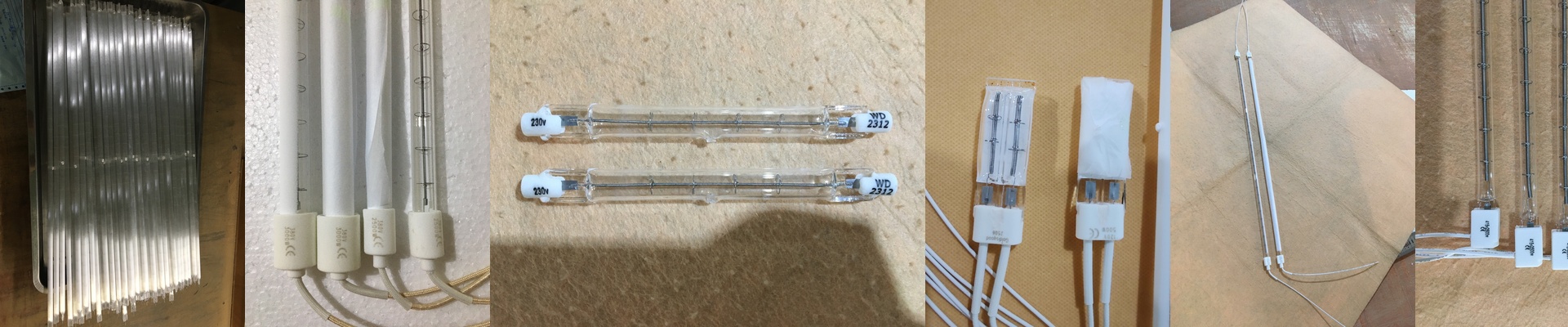
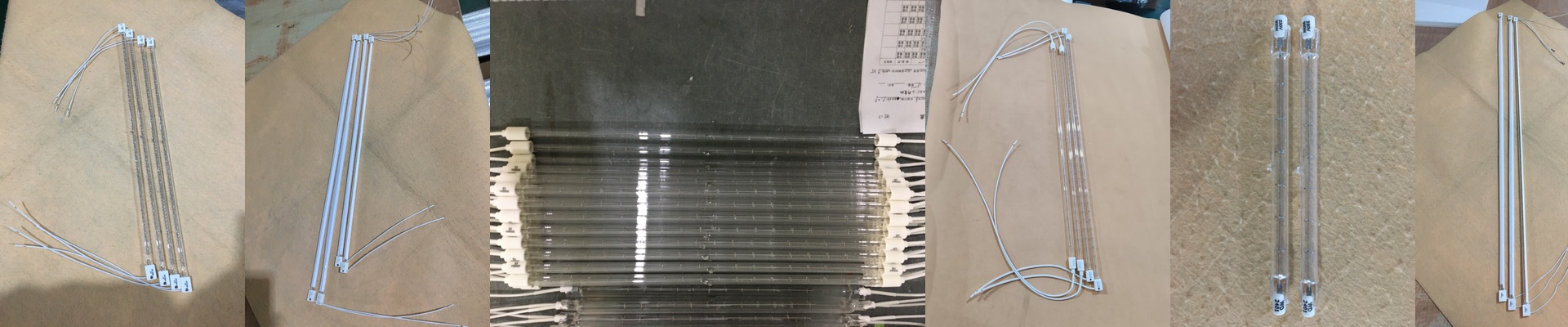
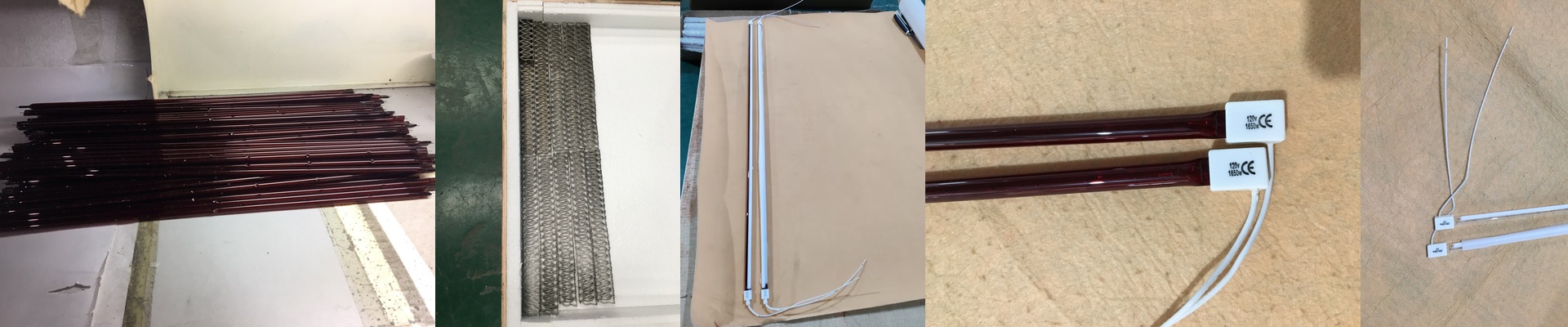
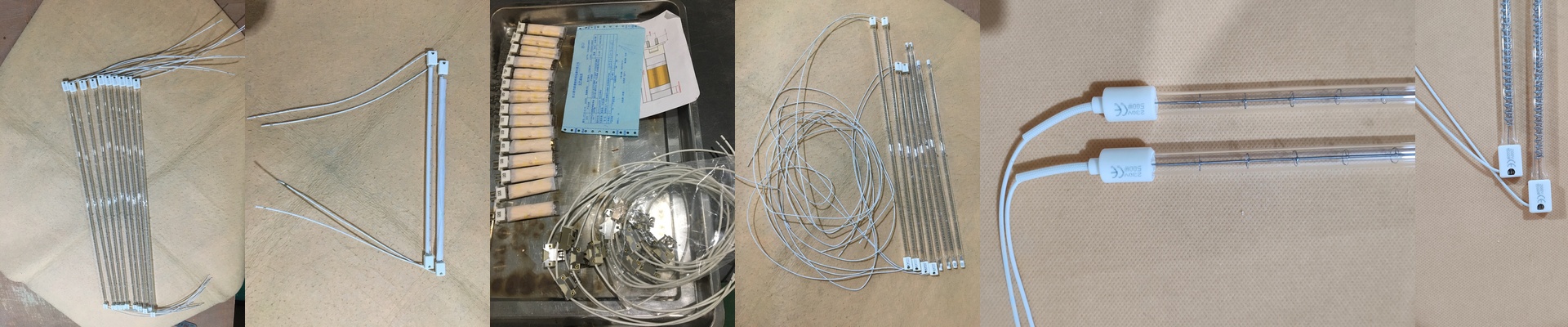
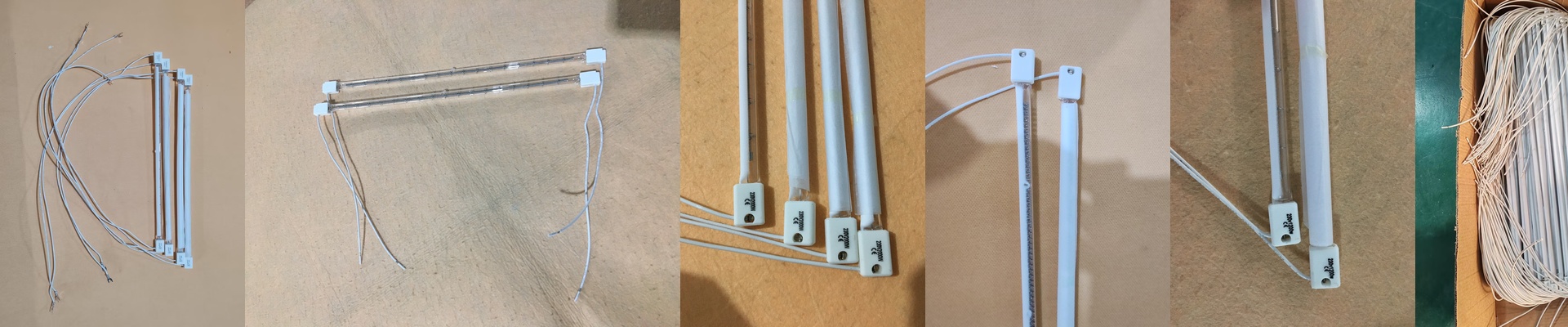
We use quartz glass because it doesn’t freak out when the temperature jumps around. To make things easier on you, we reinforce the ends. No one likes it when a bulb cracks during a simple installation. As for the plugs, we stick to R7s or SK15 bases. Why? Because they’re standard. You can just pop a new one in without having to rewire your entire setup. It’s simple.
The trade-off: Power vs. Life
You can’t have it all. You can’t have infinite lifespan and maximum heat density at the same time. If you push a tube to its absolute limit, it’s going to burn out faster. Period. My advice? Over-spec your system slightly. Running five lamps at 80% power lasts a lot longer than running four lamps at 100%. You get the same heat, but your bulbs don’t have to sweat as much. And please, check your ventilation. If the air isn’t moving around your housing, the heat builds up right at the connectors. That makes the wires brittle. It’s a shame when the wires fail before the filament even has a chance to wear out.