Let’s Talk Quartz Halogen Infrared Tubes
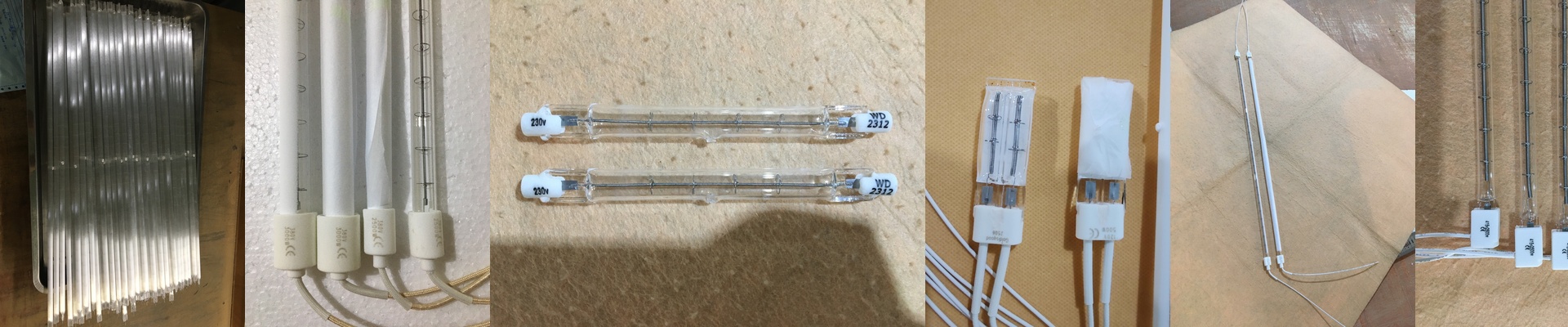
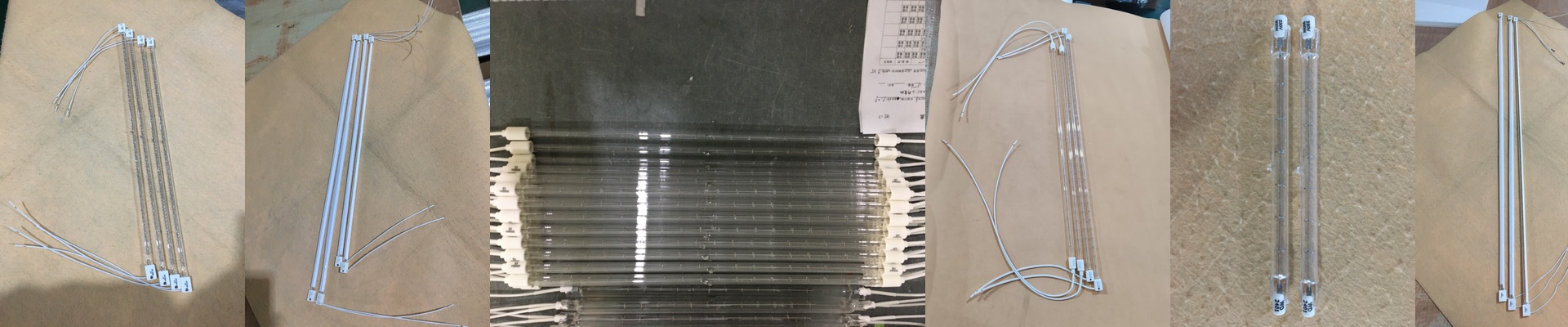
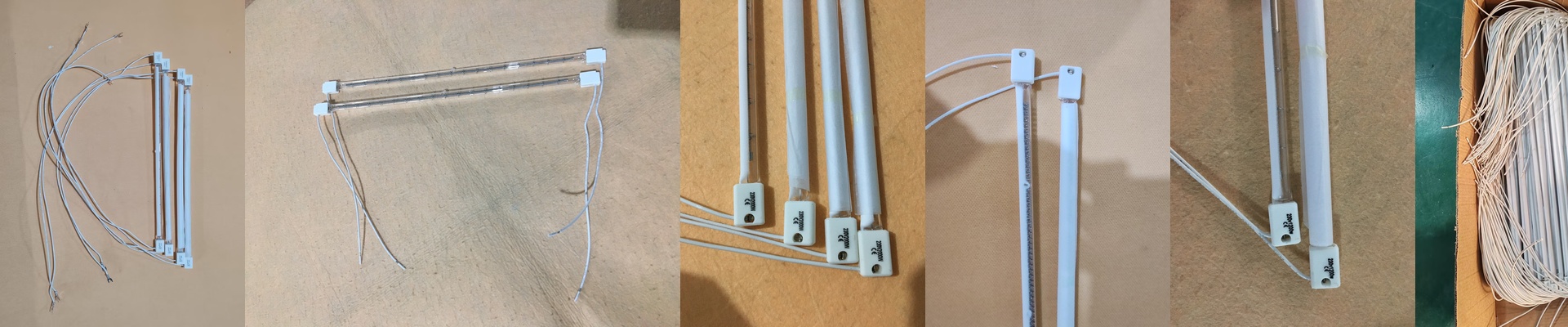
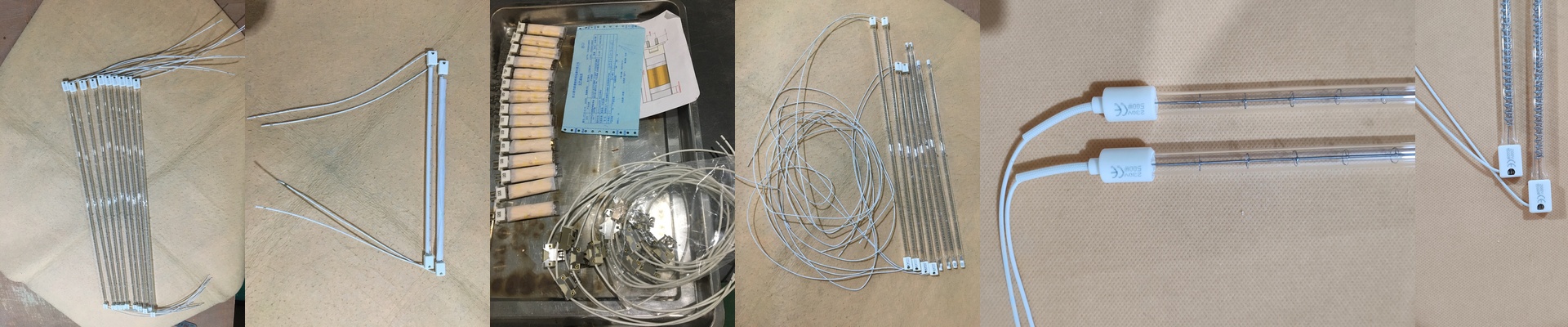
Here is how these things actually work: you’ve got a tungsten filament tucked inside a quartz tube, filled with halogen gas. That gas is the secret sauce. It keeps the filament from burning out too quickly by pushing evaporated tungsten back onto the wire. The result? A punch of shortwave infrared radiation. It doesn’t just sit on the surface; it sinks deep into your materials way faster than those old-school longwave heaters. The trade-off between power and stress When we’re looking at the specs, it all comes down to how much wattage you’re cramming into the length of the tube. If you want a lamp that hits peak heat instantly, you’ll want high wattage in a short tube. It’s fast. Really fast. But that puts a lot of pressure on the quartz. Also, a quick heads-up on your power supply: watch out for that initial “cold-start” surge. We see way too many tubes fail simply because the buyer used contactors that were too small for the job. Don’t let a cheap part kill an expensive lamp. Materials and the “fit” We use high-purity quartz because we want as much IR as possible to get through the glass without getting trapped. Depending on what you’re heating, you might want a coated tube. This helps shift the heat spectrum or keeps the filament safe from gunk and contaminants in your shop. For the wiring, we stick with R7s or Sk15 connectors. They’re basically plug-and-play for most industrial sockets. They fit snugly, but do me a favor—make sure your terminals are spotless. If they’re dirty, you’ll get arcing, and that’s a headache nobody wants. Real-world use (and where people mess up) If you’re doing PET blowing or running curing lines, these are your best friend because they hit the target temp in seconds. But here’s the catch: you have to keep your reflectors clean. I mean spotless. Even a thin layer of dust acts like a blanket, killing your efficiency. And be careful with your spacing. If you mount the tubes too close to your material, you’ll scorch the surface before the core even gets warm. Give it some breathing room. A proper air gap is the only way to get a cure that’s actually uniform.