A Plain-English Guide to Clear Halogen Heat Lamps
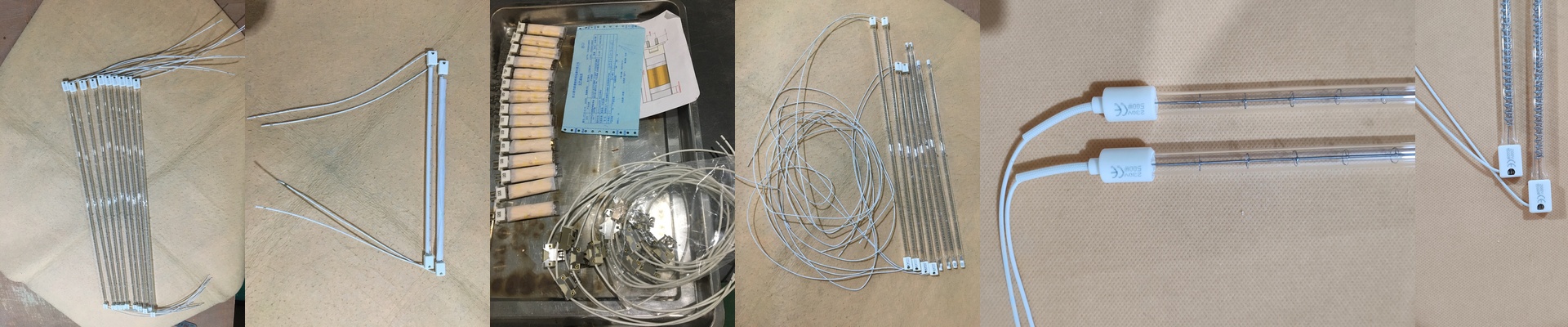
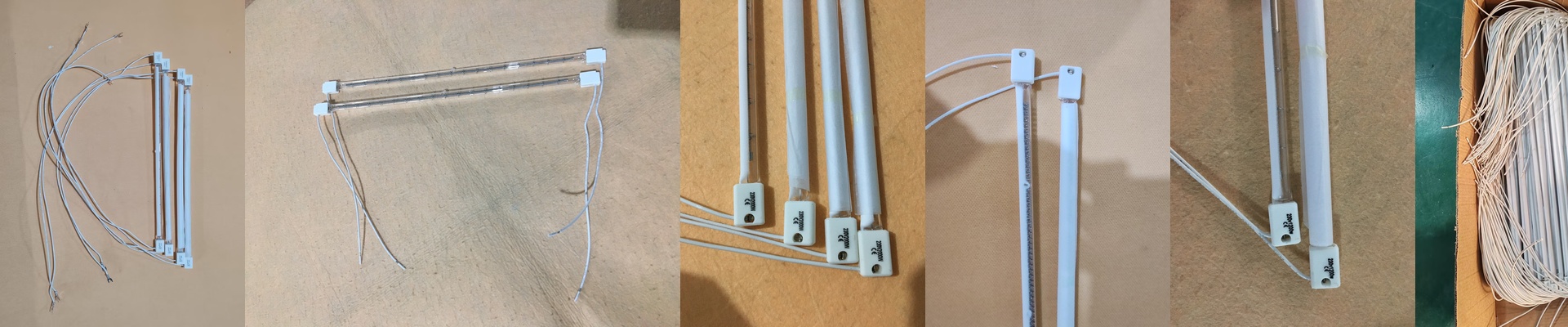
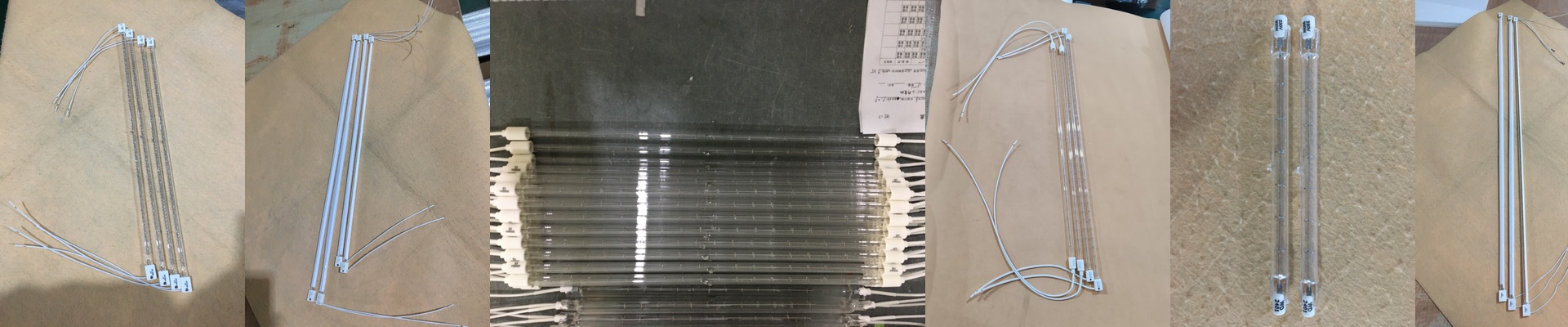
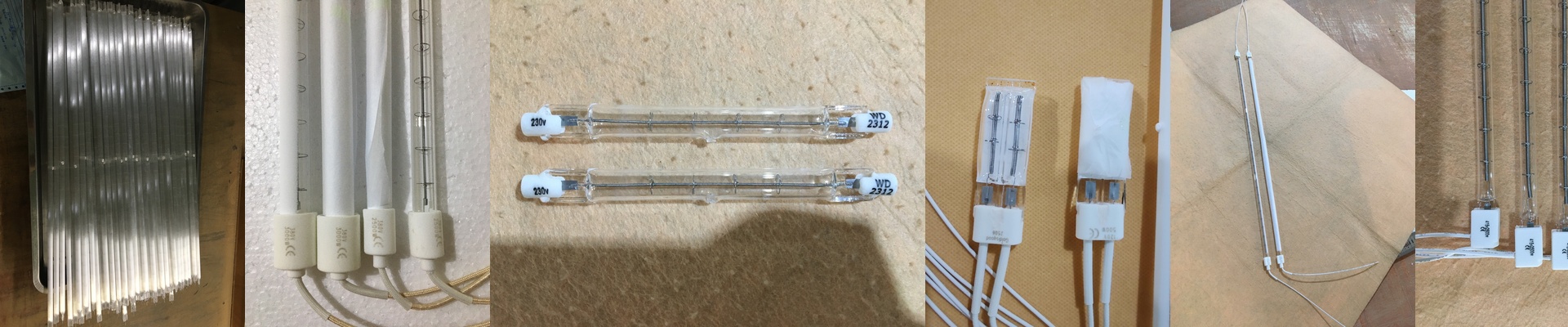
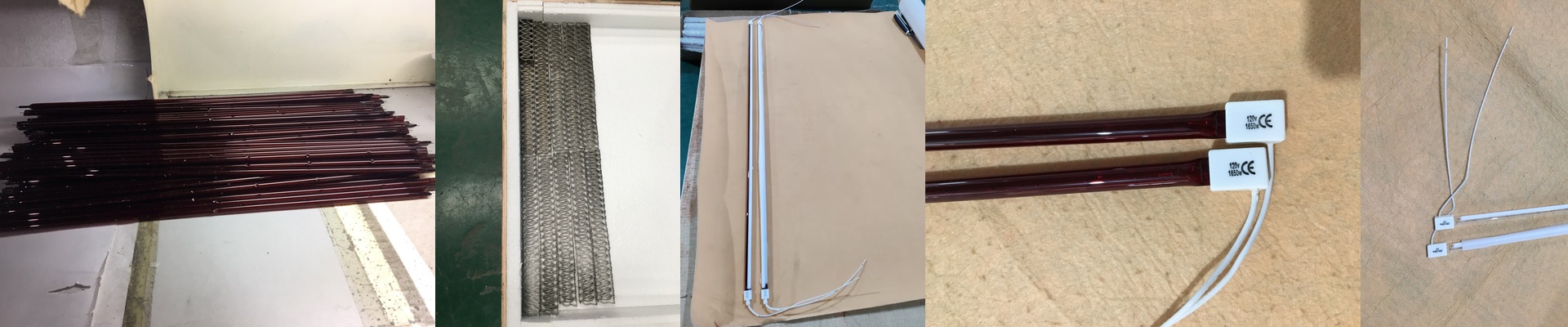
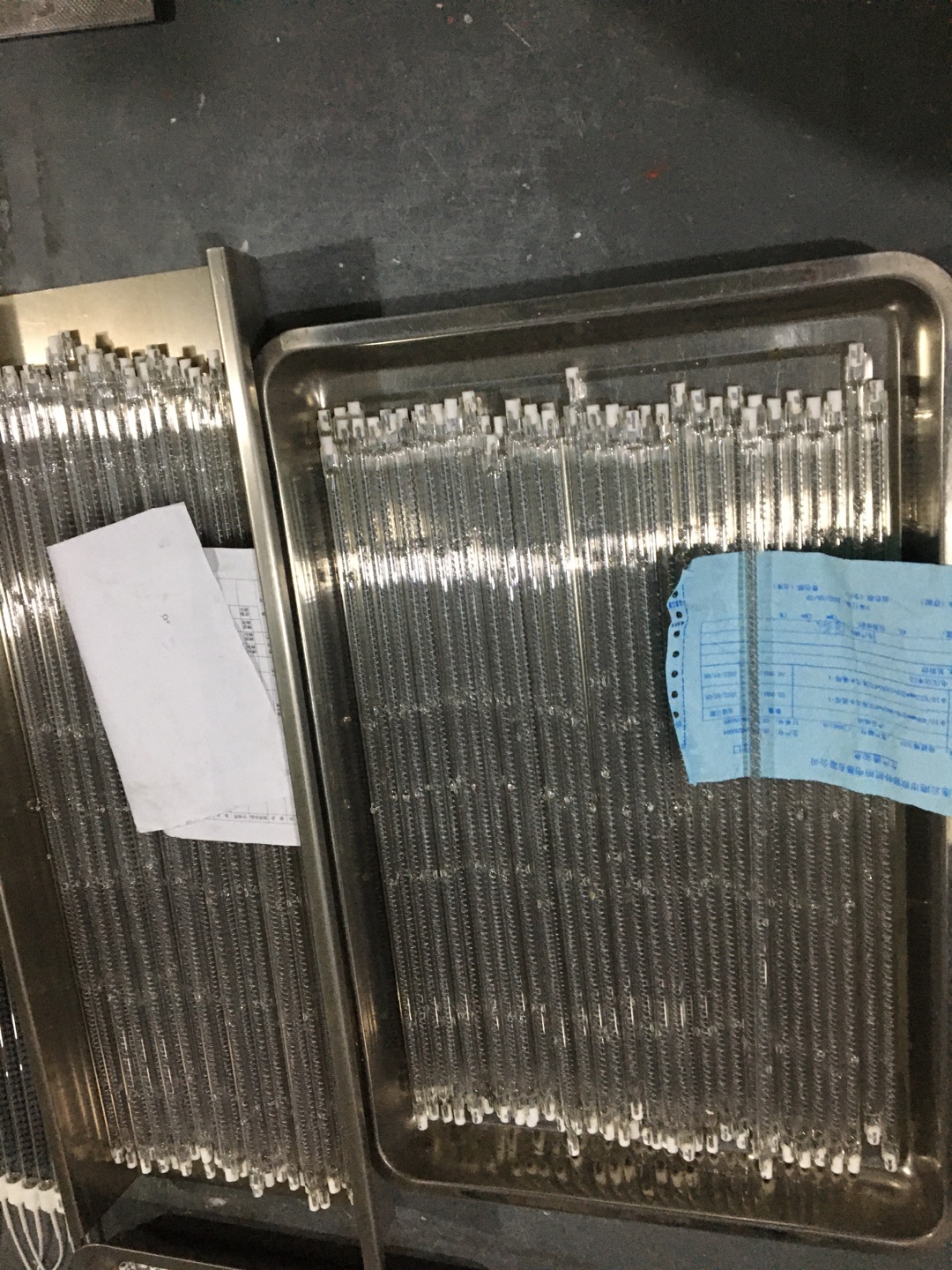
Ever wonder why some heat lamps just seem to hit harder? It’s all about what’s happening inside that glass. We take a tungsten filament and wrap it in a quartz envelope filled with halogen gas. This keeps the filament from burning out nearly as fast as your old-school light bulbs. The real magic here is the infrared emission. Instead of wasting energy heating up all the air in the room, these lamps shoot heat directly onto your target. It’s precise. It’s intense. Let’s talk power. The wattage and voltage are what really drive the heat flux. If you’re setting up a high-output line, you’ve got to make sure your voltage matches your power supply. If you don’t, you’re just asking for a burnt-out filament. Higher voltage lets us make longer tubes that get up to temperature almost instantly. It’s great for speed, but it puts a lot of pressure on your electrical system. Just a heads-up: double-check your wiring. That initial surge of power can be a beast. Why quartz? We use high-purity quartz glass because it can handle the “thermal shock” of being turned on and off rapidly. Other glasses, like borosilicate, just can’t keep up—they’d crack. For the ends, we stick to the basics like R7s or SK15 connectors. They’re standard, meaning they should slide right into most industrial heaters without any fuss. Since the glass is clear, the shortwave radiation passes straight through. You can add coatings if you need a specific wavelength, but for raw energy transfer, clear is the way to go. Getting them into your workflow You’ll see these all over PET blowing and plastic curing setups. Because they pack so much heat into a small space, you can actually shrink your heating tunnels. But here’s the thing: these tubes are fragile. If your machinery vibrates, you need to secure those mounts tight. If the glass rattles, it breaks. And because they get so incredibly hot, don’t skimp on your cooling fans. You don’t want to find out the hard way that your housing is melting.