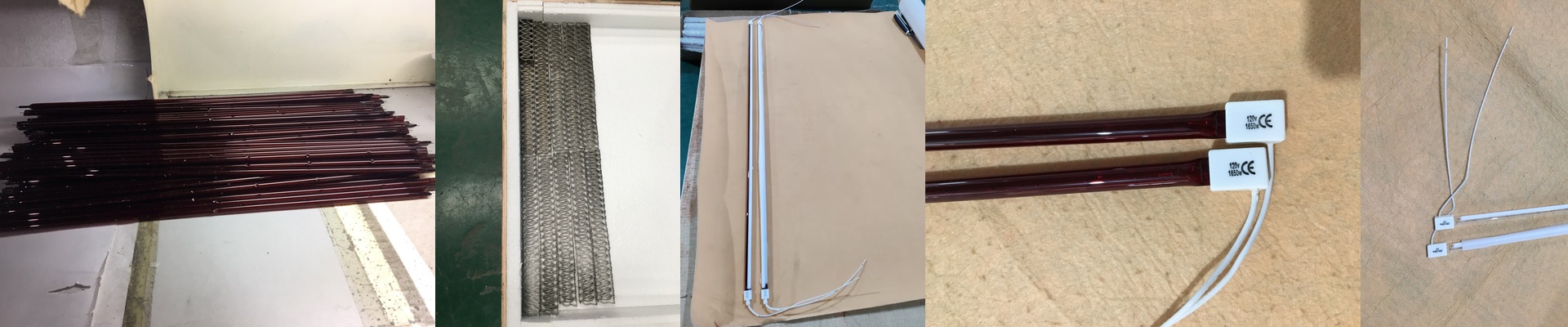
Why We Use Gold-Plated Reflector Halogen Lamps
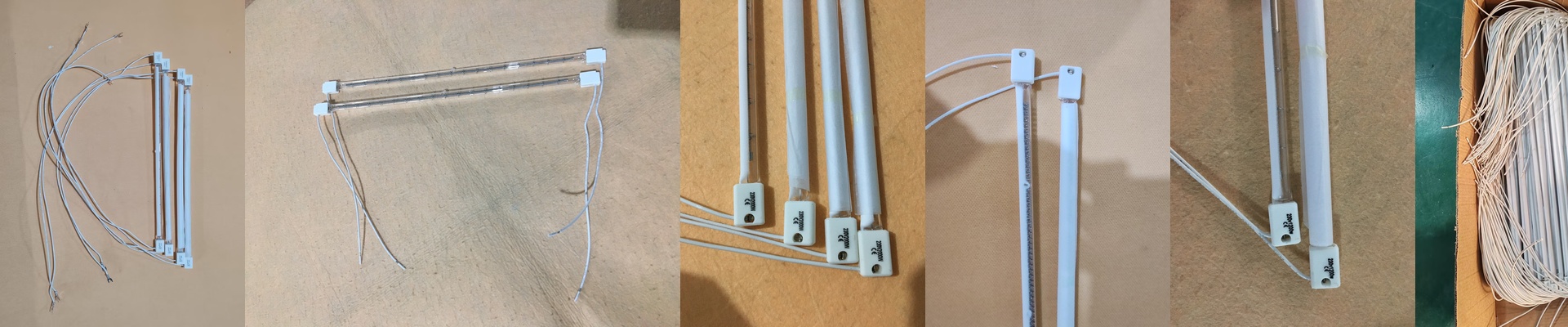
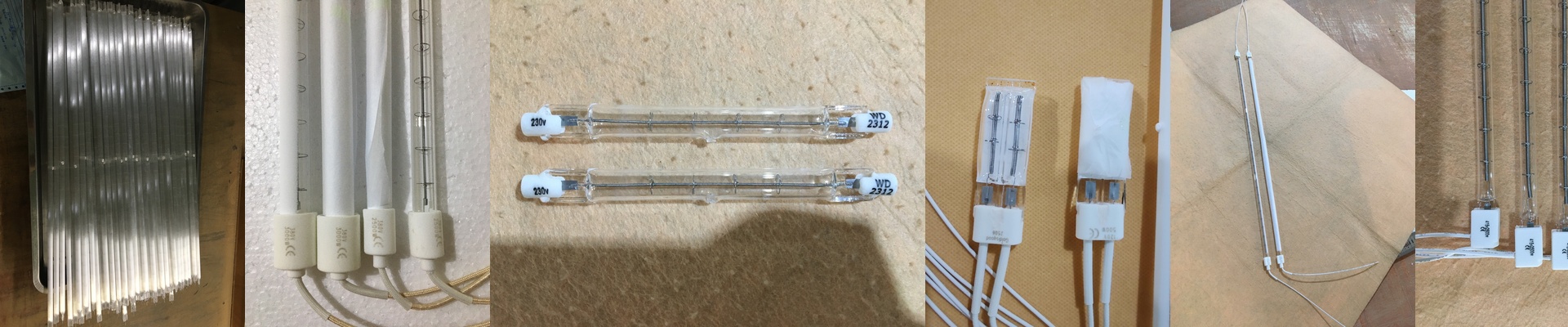
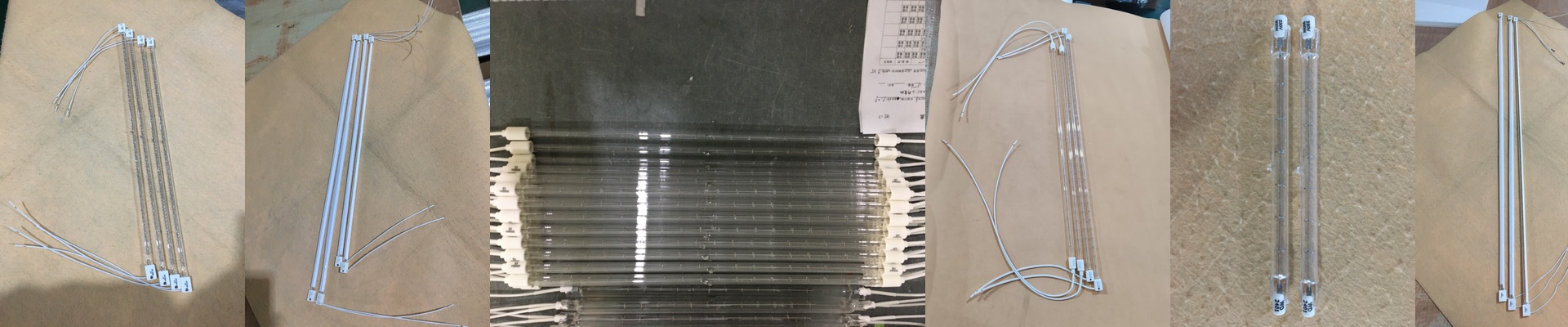
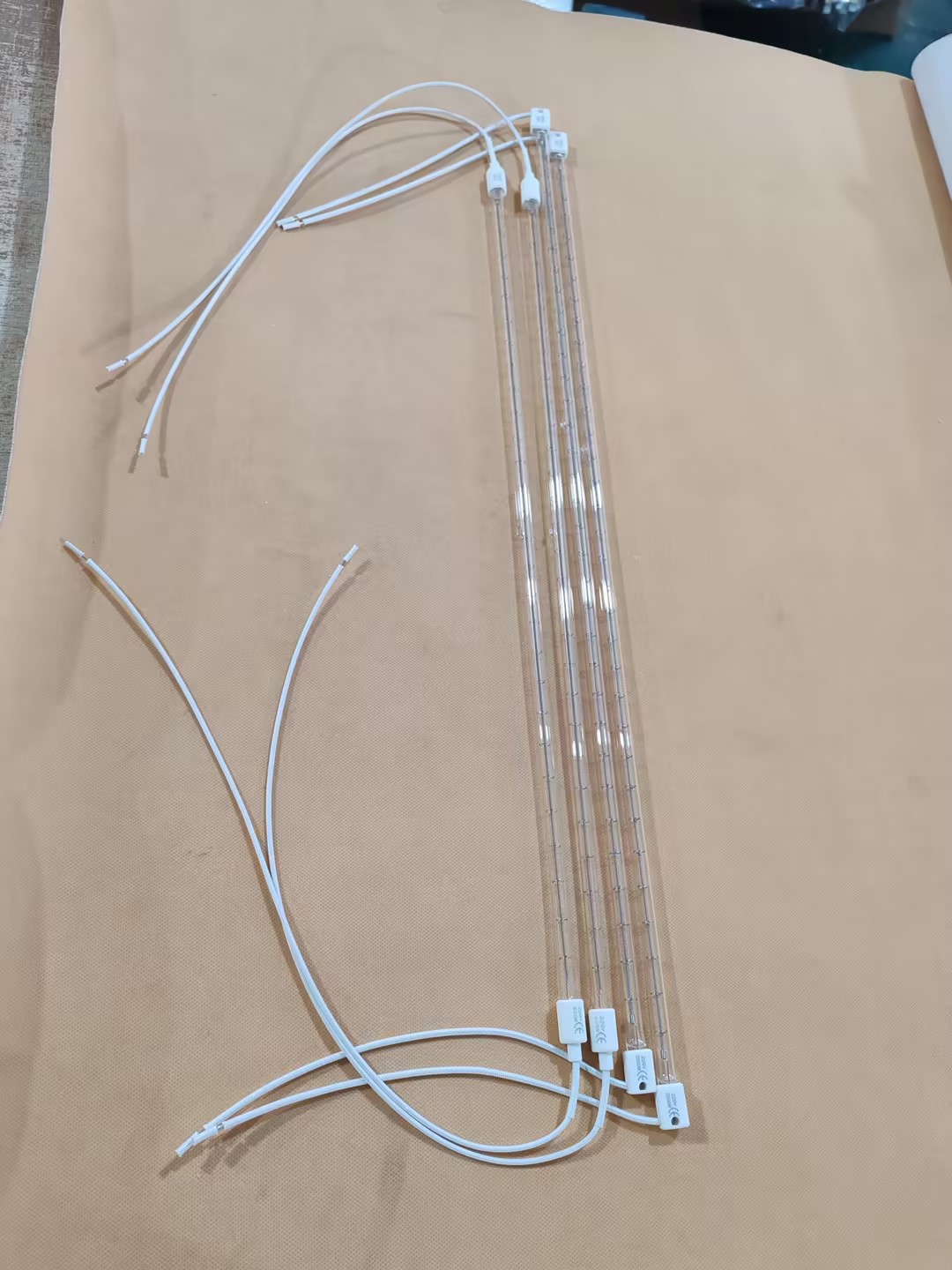
Most standard quartz tubes are a bit wasteful. They throw heat in every single direction—360 degrees of energy just floating away. We figured there was a better way. By adding a gold-layered reflector, we basically force that heat to move forward. Instead of heating up your entire shop, the energy goes exactly where it needs to:right onto your workpiece.
Why Gold? (No, not just for the look)
You might wonder why we don’t just use aluminum or silver. Here’s the thing: gold is a beast when it comes to reflecting infrared radiation. But the real win is that gold doesn’t oxidize. When these lamps hit peak temperature, silver or aluminum can peel or degrade. Gold just sits there and does its job. Plus, because the heat is so focused, your machine chassis doesn’t get nearly as hot. It keeps the whole setup running cooler.
The Nitty-Gritty Hardware
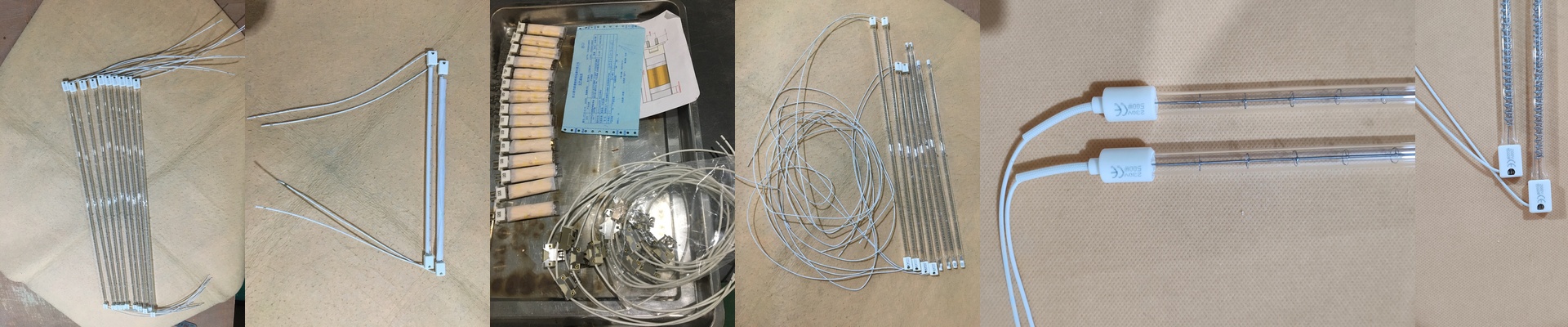
These are shortwave IR sources, and we don’t cut corners on the glass. We use high-grade quartz because the internal pressure and heat of a halogen cycle are intense. Depending on your setup, we can tweak the length and wattage to fit your footprint. We also use R7s or SK15 connectors. Why? Because machines vibrate. A lot. These connectors lock in tight so the lamp doesn’t rattle loose, which saves you from the nightmare of an arc-over or a premature burnout.
Putting Them to Work
If you’re doing PET blowing or plastic welding, you know that ramp-up time is everything. These lamps get you to temperature fast. And since the gold reflector pushes the energy forward so aggressively, you can often move the lamp closer to the part. Just a heads-up, though:be careful with the power. That concentrated heat is powerful. If you crank up the wattage but don’t speed up your conveyor, you’re going to scorch your product. It’s all a balancing act between your lamp’s output and your cooling system to make sure the housing doesn’t cook itself.