Moving from Old-School Ovens to Digital Heat
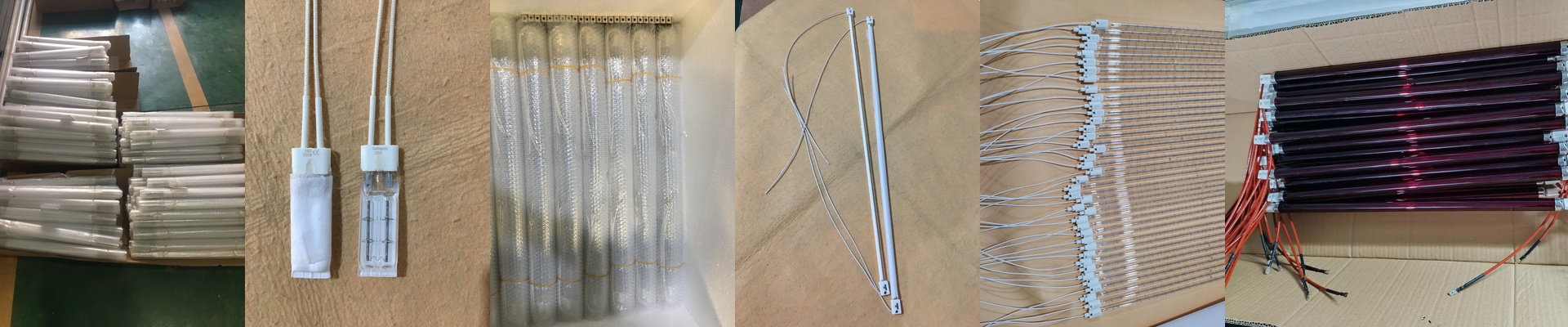
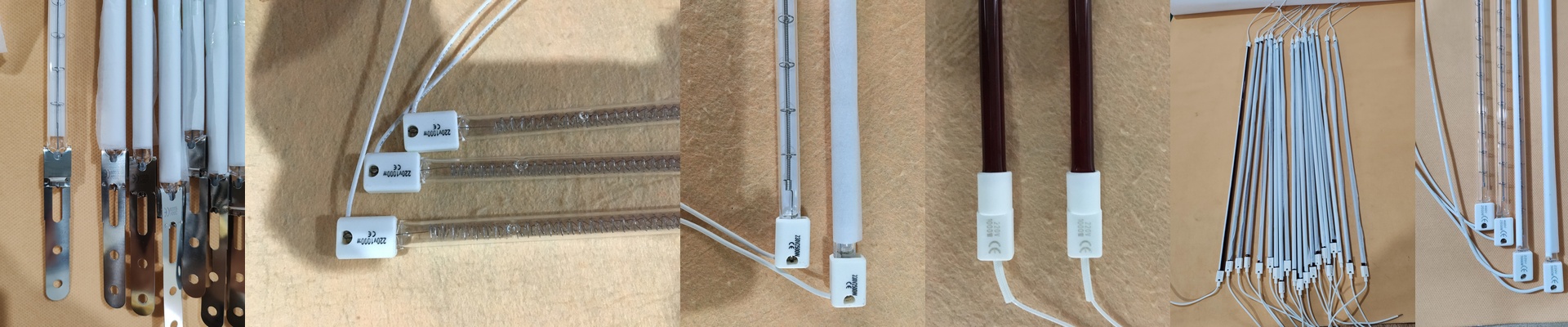
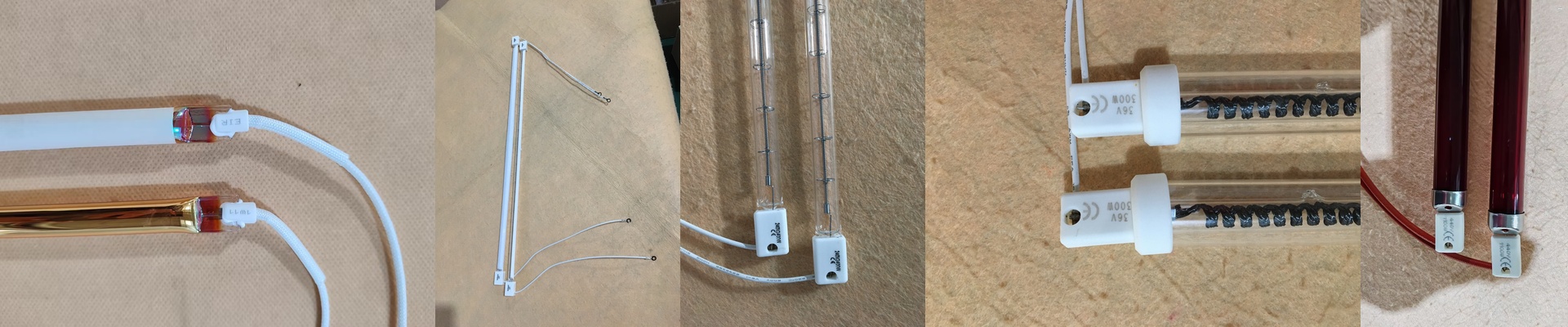
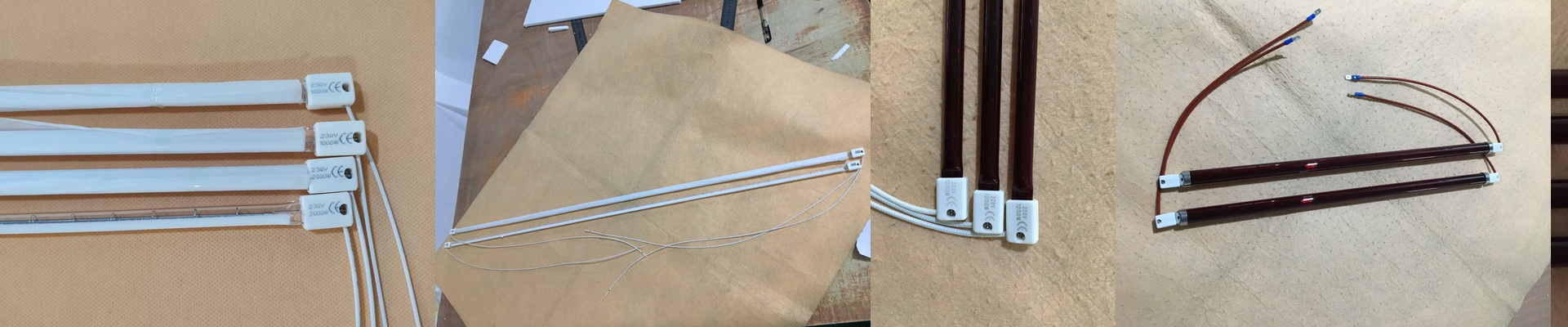
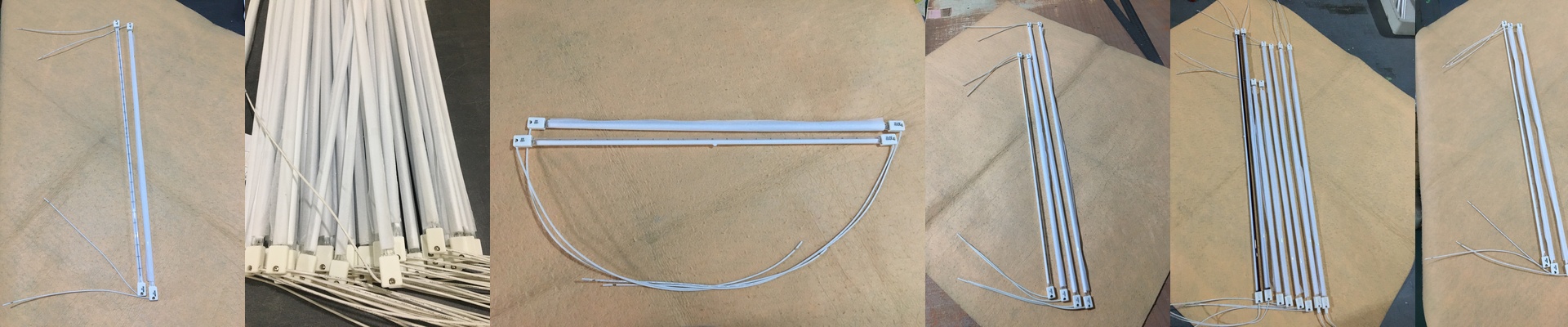
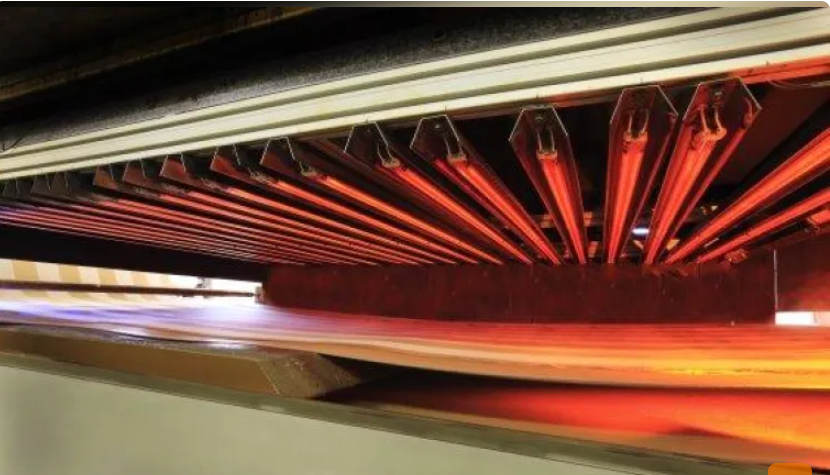
Let’s be honest: those massive convection ovens we’ve used for textile drying and curing for years are a headache. They’re energy hogs and they’re clumsy. You can’t really “fine-tune” them. That’s why we’re moving toward short-wave infrared (IR) lamps. Think of them as “digital heat sources.” Instead of heating up a giant room of air and hoping for the best, you’re hitting the fabric with targeted radiation. You can control the heat down to the millisecond. It’s a completely different way of working. Getting the power right If you’re setting synthetic fibers or curing ink, you need a real punch of heat. We usually go with lamps that pack a lot of wattage into a small space. For example, a 2000W tube over a 300mm area hits hard and fast. Depending on your plant’s grid, you’ll probably run these at 230V or 400V. I usually recommend high-voltage setups. Why? Because it keeps the current draw low. That means you can run thinner wiring across your production lines without worrying about your voltage dropping off by the time it reaches the end of the line. The gear under the hood We stick with halogen-filled quartz tubes. They keep the filament temperature steady, which is key. But here’s a pro tip: for textiles, you almost always want coated tubes. This shifts the heat spectrum so it actually sinks into the fabric. Without the coating, you risk just scorching the surface while the inside stays cold. As for the hardware, we use R7s or Sk15 connectors. They’re simple. When a lamp finally burns out, you just pop it out and drop a new one in. No drama, and your downtime stays low. The trade-offs Now, IR is fast. Like, really fast. You hit your target temp in seconds. But that intensity comes with a catch. You have to get your cooling right. If your housing can’t breathe or move that ambient heat away, you’re going to warp your reflectors or, even worse, melt your conveyor belt. The real magic happens when you hook these lamps up to a PLC controller. Now, the heat adjusts automatically based on how fast the line is moving. This is what people mean when they talk about “Textile 4.0.” The heat source actually responds to the material in real-time. No more guessing. No more “hoping” the fabric cured. You just set your wattage, wire it up, and let the system do the heavy lifting.