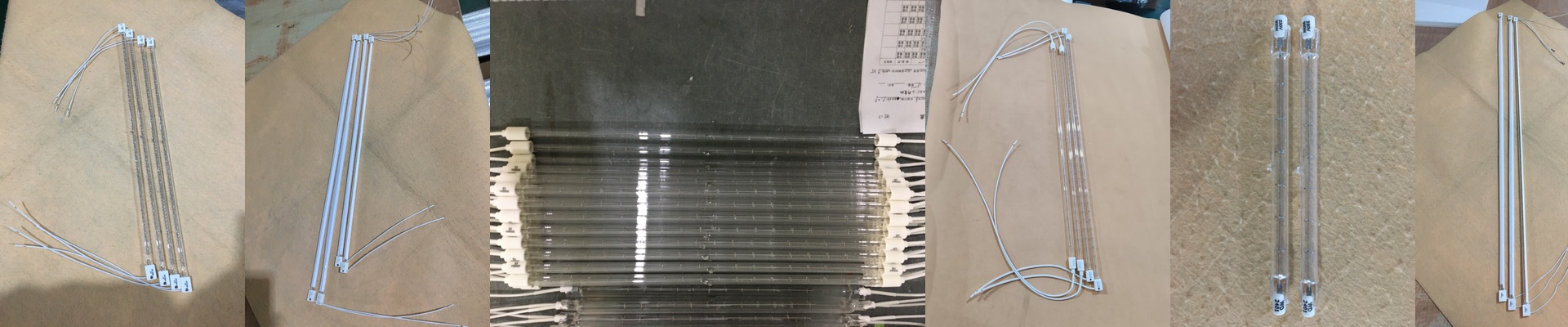
Swapping Out Your OEM Infrared Heaters: Is it Actually Worth the Risk?
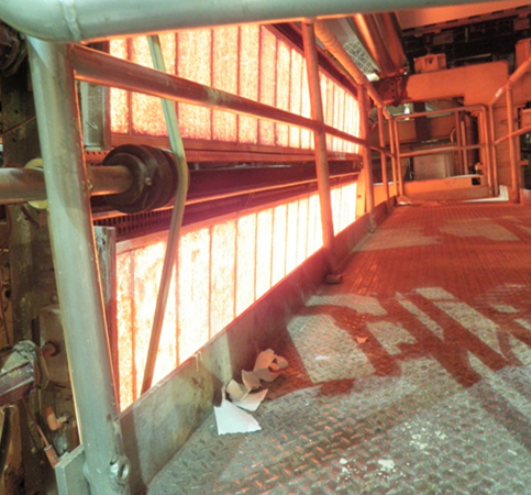
Let’s be honest. When you’re running a powder coating line for home appliances, switching from the original OEM heaters to a domestic brand feels like a gamble. You aren’t just buying a few lightbulbs here. You’re managing how the powder cures. If the heat density is off even a little, you’re looking at “orange peel” textures or, worse, parts that aren’t cured at all. Nobody wants to deal with a batch of rejected chassis.
The tricky part about switching brands
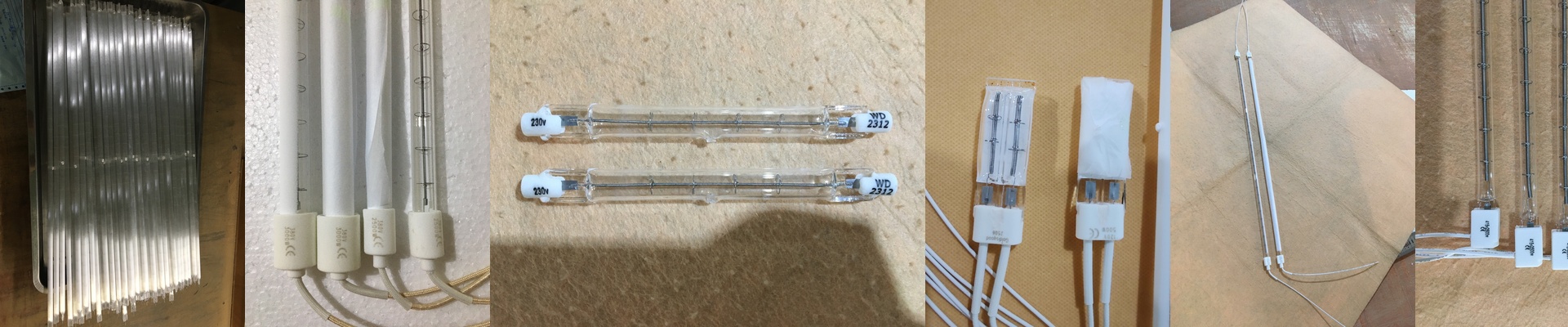
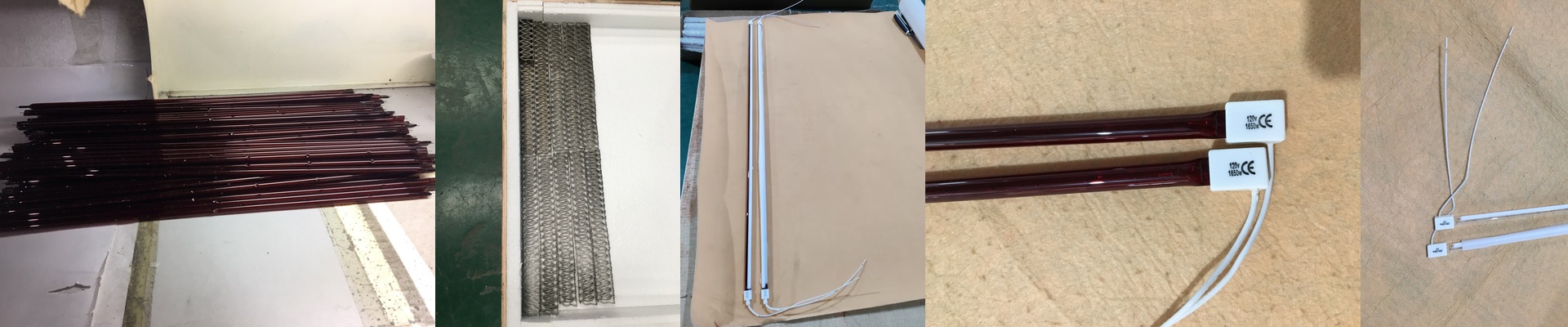
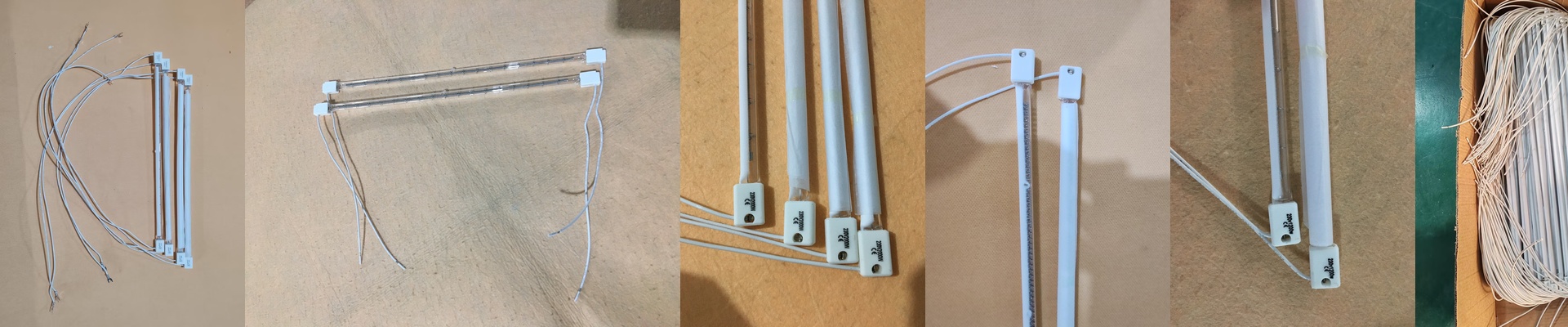
Most of these high-end lines rely on shortwave infrared (SWIR) lamps. The real headache comes when you try to match the wattage-per-centimeter. If the new domestic lamp has a different filament winding, you’ll end up with cold spots. It’s frustrating. You have to make sure the wavelength actually penetrates the powder and hits the metal. That’s the only way to get a bond that actually lasts.
How to actually trust a new supplier
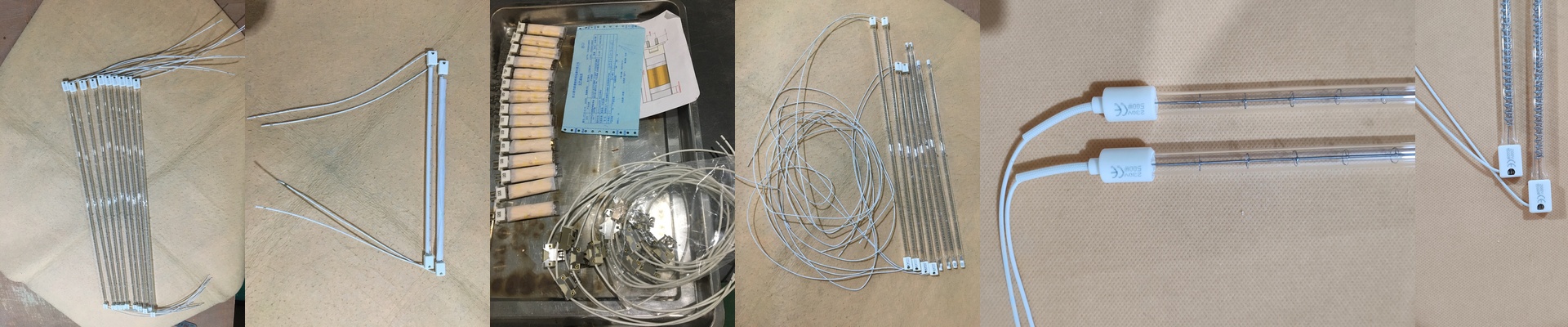
You can’t just look at a datasheet and cross your fingers. That doesn’t prove anything. The only way to do this is with a “drop-in” test. We usually install a small bank of the domestic lamps right next to the OEM ones. Then, we grab a pyrometer and watch the surface temperature over ten cycles. We’re looking for thermal drift. If the new lamp stays within about 5°C of the original, you know the electrical footprint is a match. It’s a simple test, but it saves you a massive headache later.
The trade-offs you should know about
Domestic lamps are usually cheaper. That’s the draw. But you have to keep an eye on the quartz tube grade. Cheap quartz hates coating overspray. It burns out fast. To fix this, we use special coatings on the tubes to protect them. It works, but there’s a catch: it can dampen the initial heat a bit. You might need to bump your power up by 2-3% to make up for it. And don’t forget your PLC settings. If these new lamps ramp up faster than your old ones, you’ll scorch the edges of your parts. It happens. Just slow down your conveyor speed to match the new thermal curve, and you’ll be fine.