Why Most IR Lamps Die on the Dyeing Floor (and How We Fixed It)
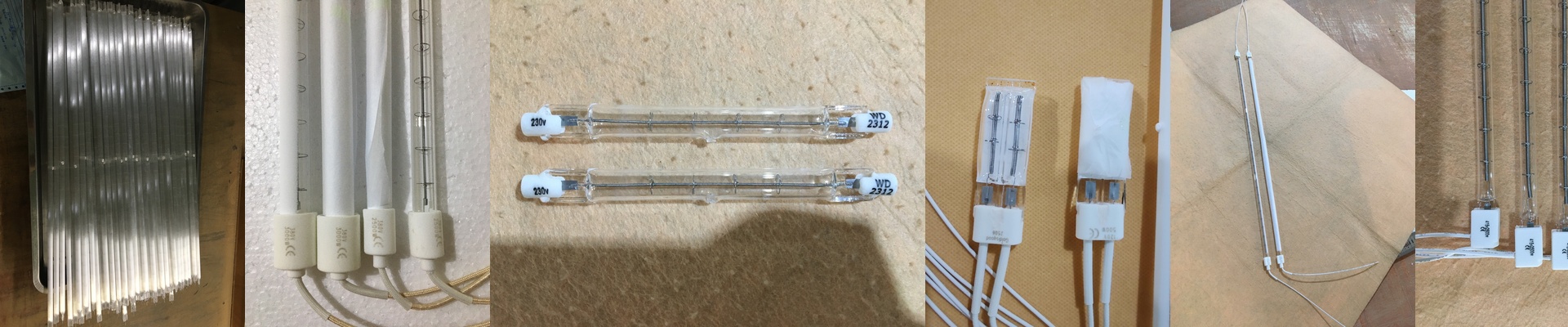
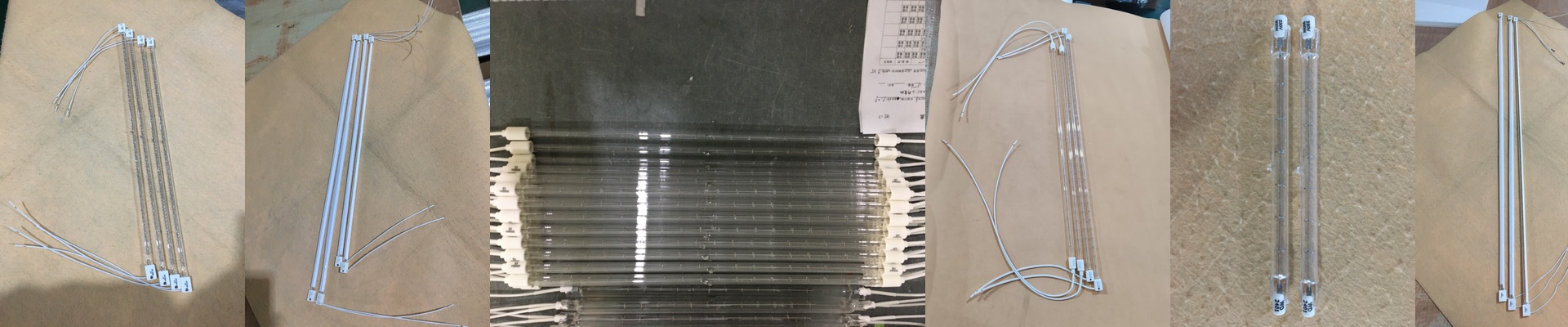
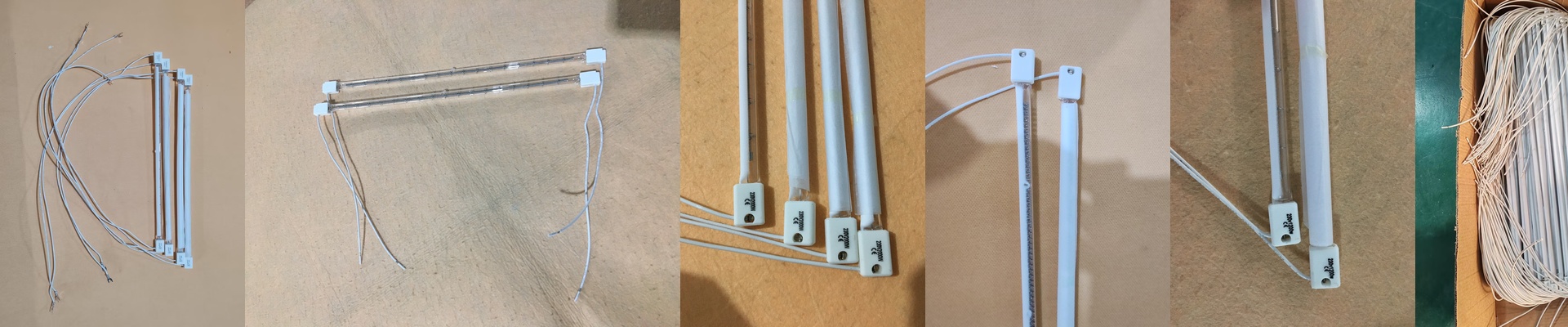
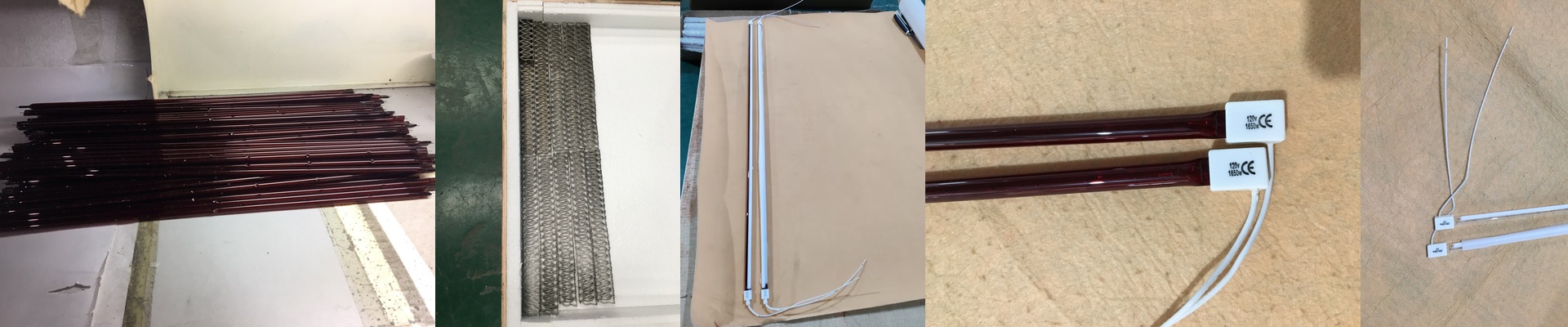
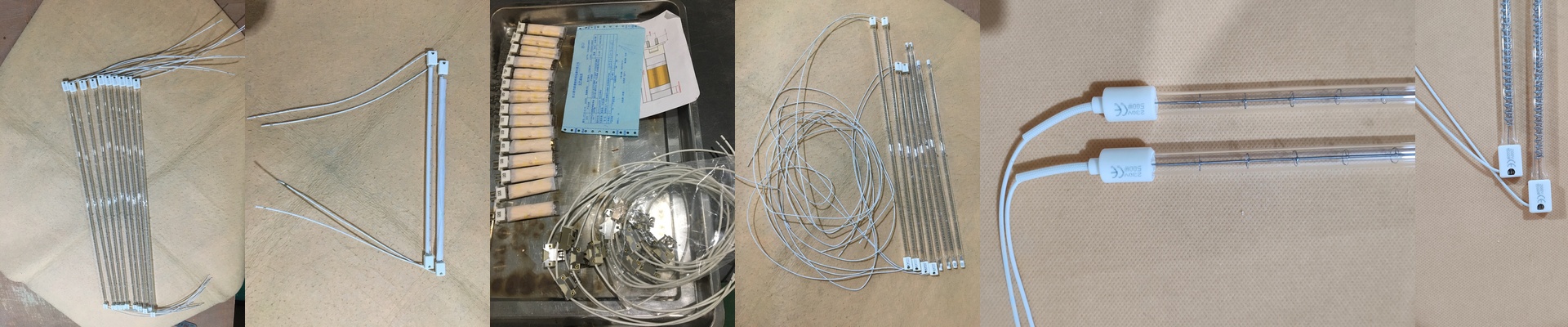
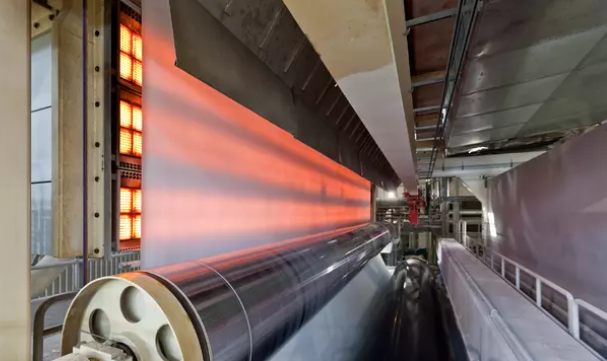
We spent some time visiting about 2,000 dyeing and printing workshops. Not just a few—two thousand. We wanted to see why IR lamps actually fail when they hit the real world. Here’s what we found: most off-the-shelf lamps are built for a lab, not a production line. They aren’t ready for the thick humidity or the chemical fumes that hang in the air. That’s why “standard” specs usually end up with lamps burning out way too early or leaving patches of uncured fabric. The balancing act of power and voltage When you’re drying textiles, you need a lot of heat to set the dye, but you can’t just blast it or you’ll scorch the fabric. It’s a delicate balance. We obsess over the wattage-to-length ratio. If you cram too much power into a short tube, you get hotspots. Simple as that. We also keep a close eye on the voltage so the filament stays stable. One quick tip: make sure your transformer output matches the lamp’s rated voltage exactly. Even a tiny mismatch can kill your lamp’s lifespan by hundreds of hours. It’s a waste of money. Picking materials that actually last We use heavy-wall quartz glass. Why? Because dyeing shops are brutal on equipment, and this glass can take a beating from the moisture. For short-wave jobs, we lean on the halogen cycle. It stops the filament from evaporating too quickly, which keeps the lamp running longer. Some of our setups even use special coatings. This helps the heat sink deep into the fibers instead of just baking the surface. The practical stuff We use standard R7s or SK15 connectors. We did this so your team can just pop a dead lamp out and slide a new one in. No rewiring the whole rack, no downtime, no headache. But there is a catch. If you push for maximum heat, your cooling fans have to work harder. If you install a high-power array but leave the old, weak ventilation in place, you’re going to cook your reflectors. The hardware only does its job if the airflow can keep up with the heat.