From the Background to the Front Line: What We Learned Making Textile IR Lamps
For ten years, we were the “secret” team. We worked as an OEM, staying behind the scenes and building lamps for other brands. We spent that decade obsessing over one question: Why do some lamps die in three months while others cruise along for three years? In the textile world, you can’t mess around with heat. If your temperature dips or spikes, you don’t just lose time—you ruin an entire batch of fabric. That’s a nightmare nobody wants.
Getting the heat right
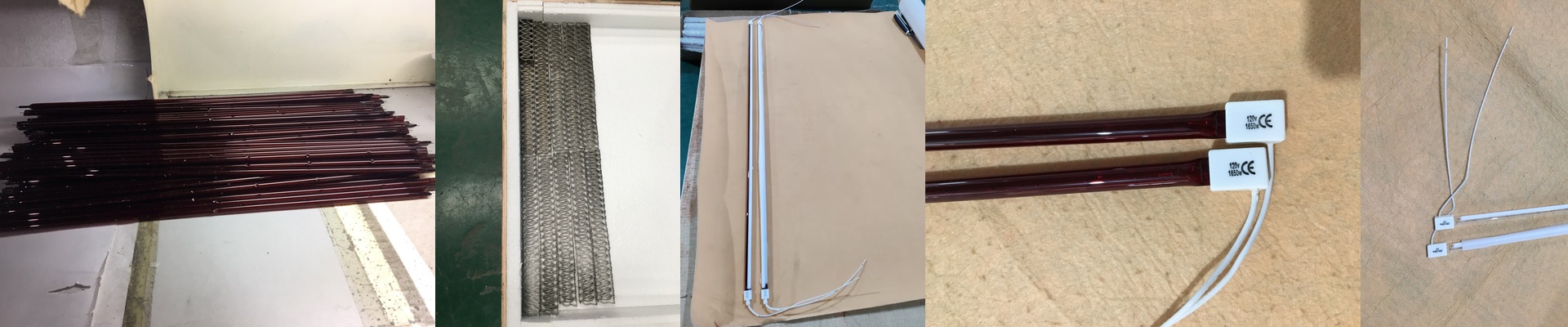
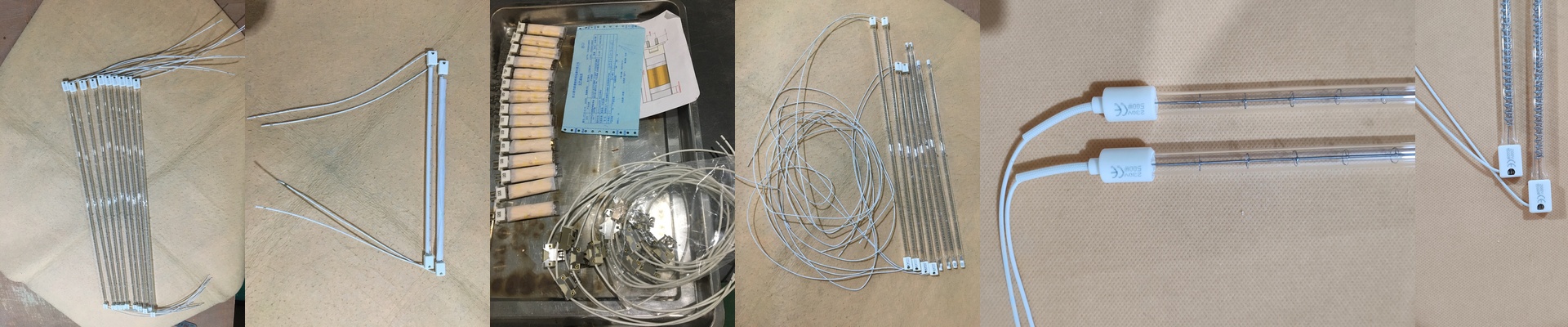
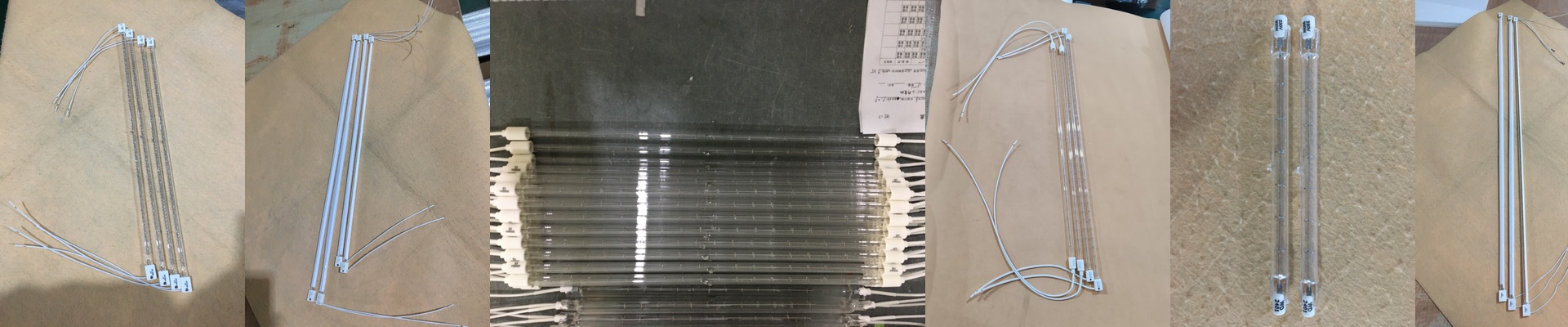
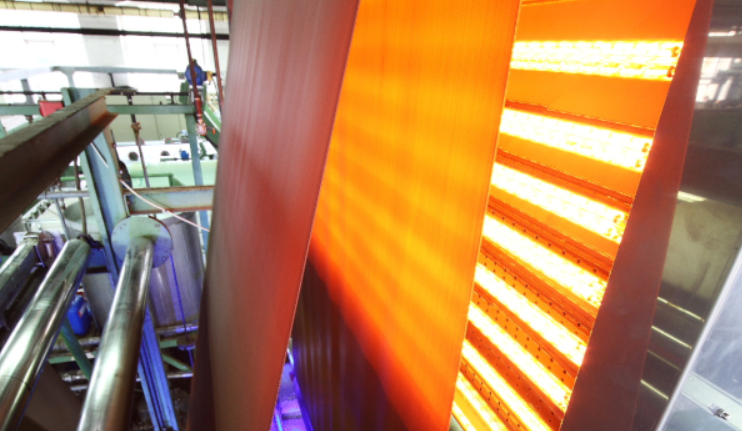
We lean heavily into shortwave infrared. Basically, we tweak the shape of the tungsten filament and use high-purity quartz glass to squeeze the energy into a tight band. The result? The heat sinks deep into synthetic fibers fast, without scorching the surface. It’s a delicate balance. When you’re picking a lamp for a drying line, you’re always juggling wattage and tube length. Sure, more wattage means you can push more fabric through the line. But there’s a catch. If you cram too much power into a short tube, you put massive stress on the seals. Most cheap lamps fail right there. We use a specific pinch-seal technique to keep the vacuum tight and prevent leaks.
The nitty-gritty: Materials and Plugs
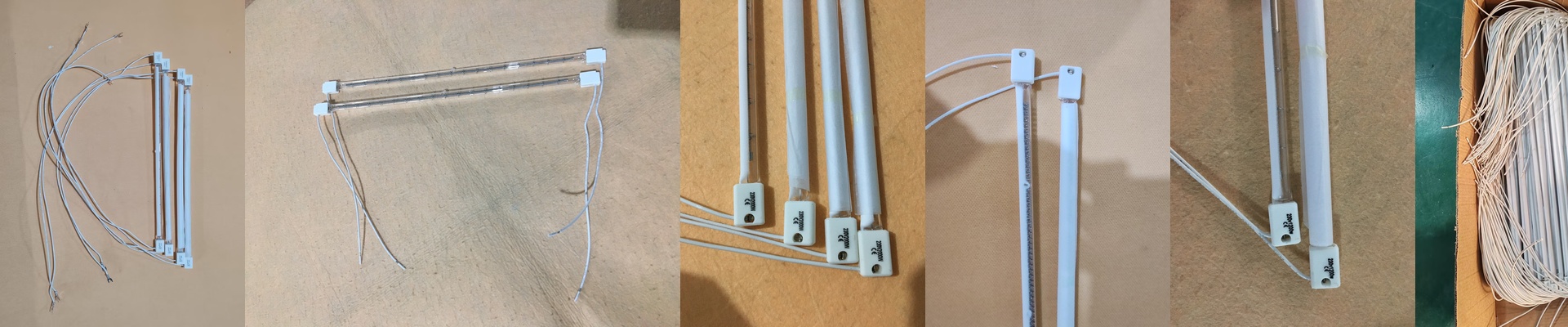
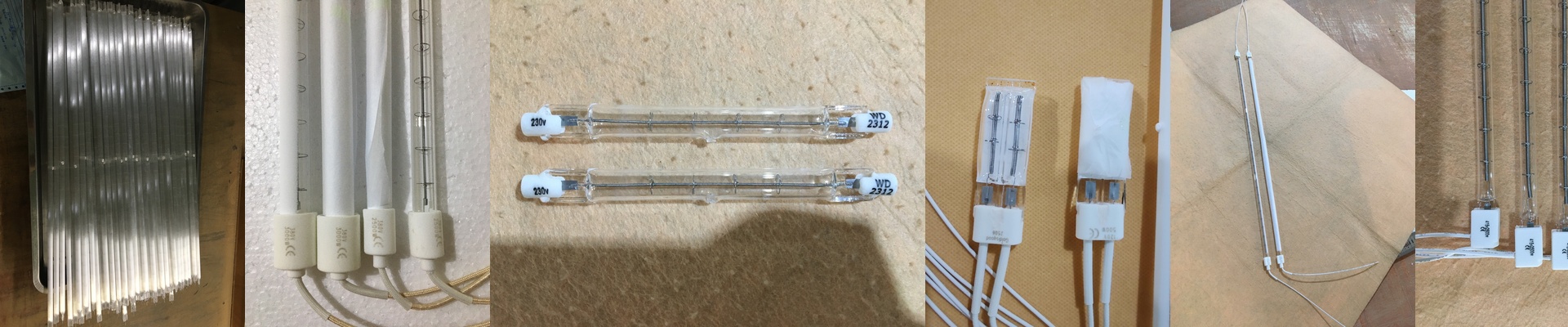
We use halogen-filled quartz tubes. Here’s why: the halogen cycle actually puts evaporated tungsten back onto the filament. It’s like a self-healing mechanism that keeps the lamp alive longer. As for the connections, we stick to the classics—R7s or SK15 bases. We did this on purpose. It means you can just pop them into almost any machine globally without a headache. One thing we’ve noticed? A lot of failures happen because of “contact resistance” at the terminals. In plain English: the connection is flaky. We use heavy-duty plating to stop oxidation. Because if your connectors are loose or rusty, the lamp will arc and just… pop. Not a great sound to hear on a busy factory floor.
Real-world reality check
These lamps are workhorses. They’re built for the constant on-and-off cycling of a real production line. They heat up incredibly fast. But that energy is intense, which means you have to keep your reflectors spotless. Believe it or not, a thin layer of dust on your mirror can kill your efficiency by 20%. Even worse, it traps heat in the housing, which can fry the lamp. Keep them clean, and they’ll take care of you.