From Making Parts to Mastering Heat
For ten years, we stayed in the background. We were the OEMs—the people building the guts of the machines while someone else put their name on the box. That decade was basically one long experiment. We spent it obsessing over a single question: Why do some infrared tubes give up the ghost in three months, while others keep humming for three years? Eventually, we got tired of following other people’s blueprints. We decided to step into the spotlight and start focusing on the actual physics of heat density for the textile world.
The Truth About Power and Voltage
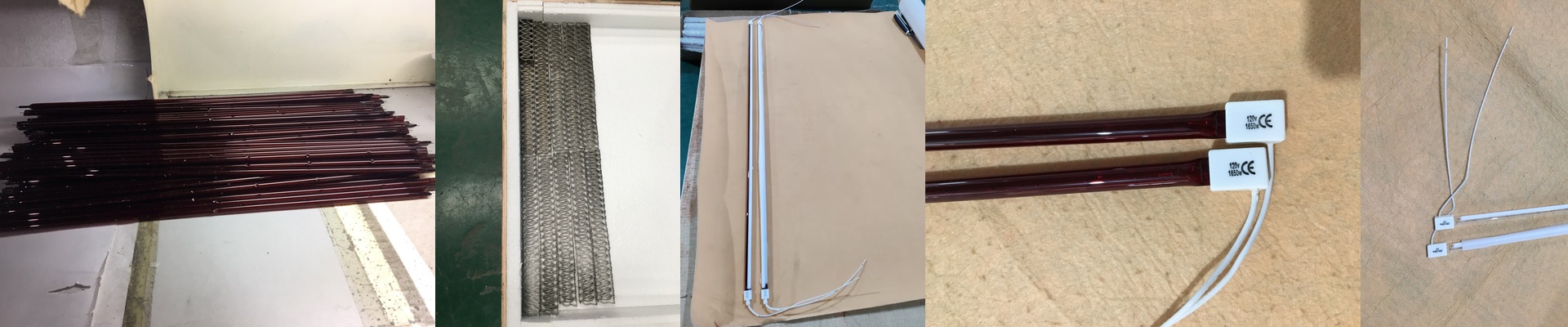
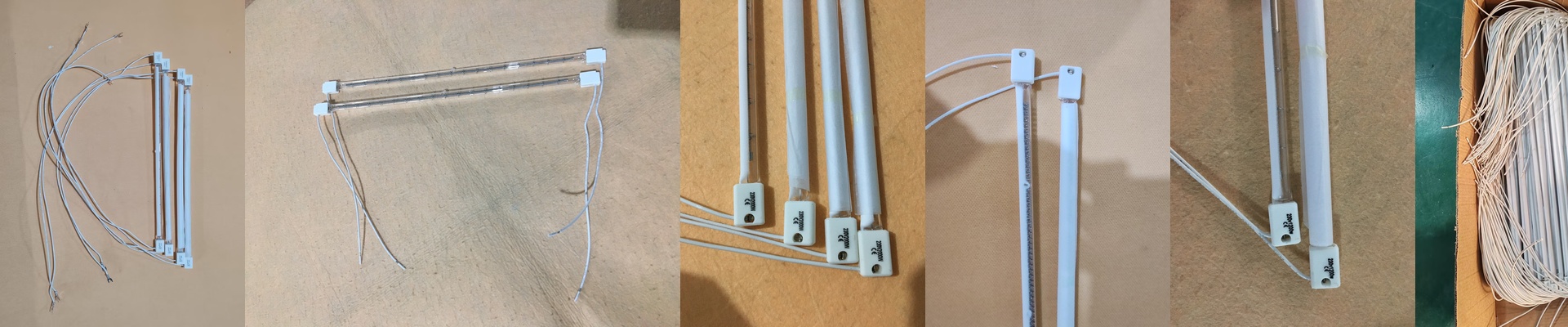
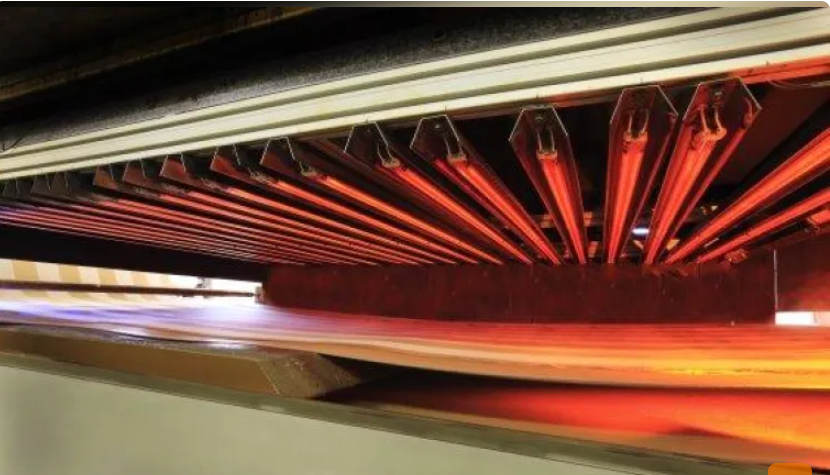
Here’s the thing about textile drying: you can’t just crank up the wattage and hope for the best. We use high-voltage setups—like 400V—because it lets us pack more power into a shorter tube without blowing a fuse or overloading the current. It keeps the equipment compact but the heat intense. If you go with a 2500W lamp, you get that rapid ramp-up you need to set synthetic fabrics quickly. But there’s a catch. That kind of heat puts a massive strain on your reflectors. If they’re dirty or pitted, you’re basically throwing 30% of your energy into the wind.
Quartz, Halogen, and the Little Things
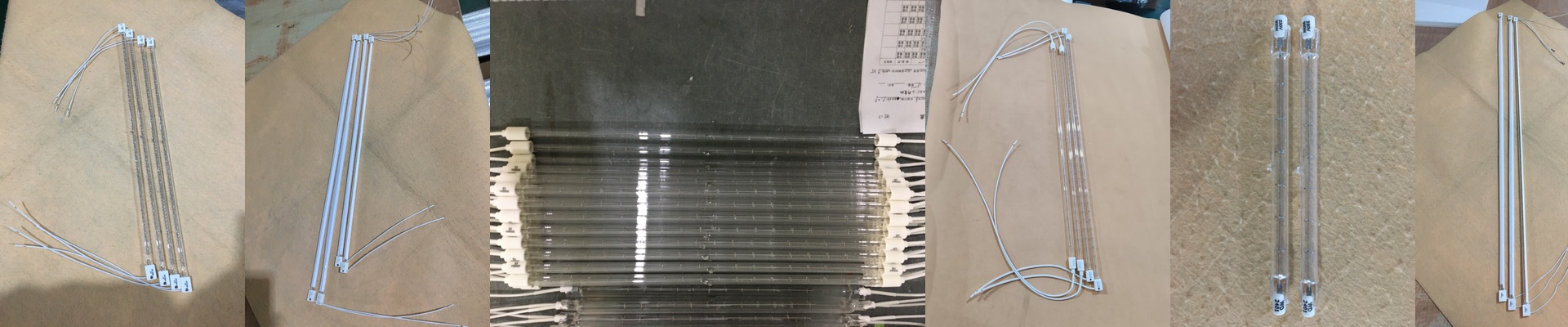
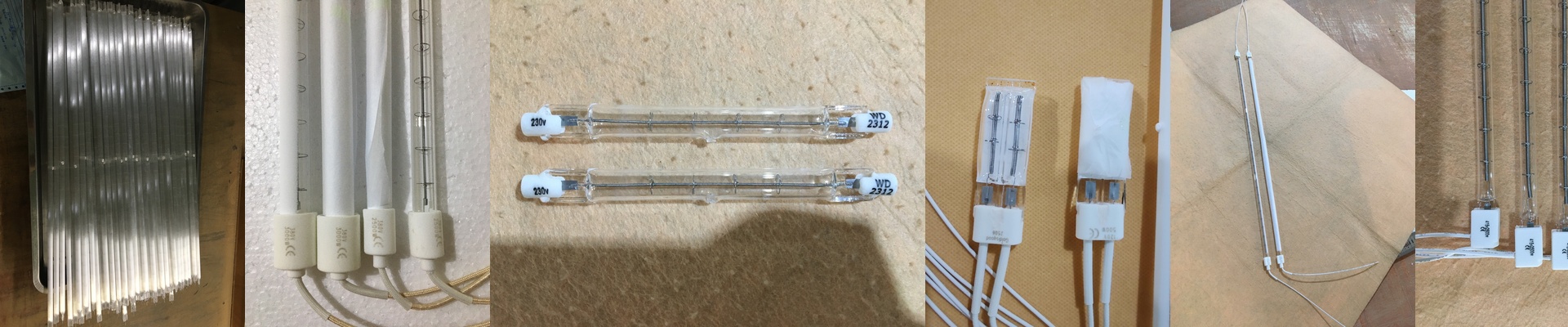
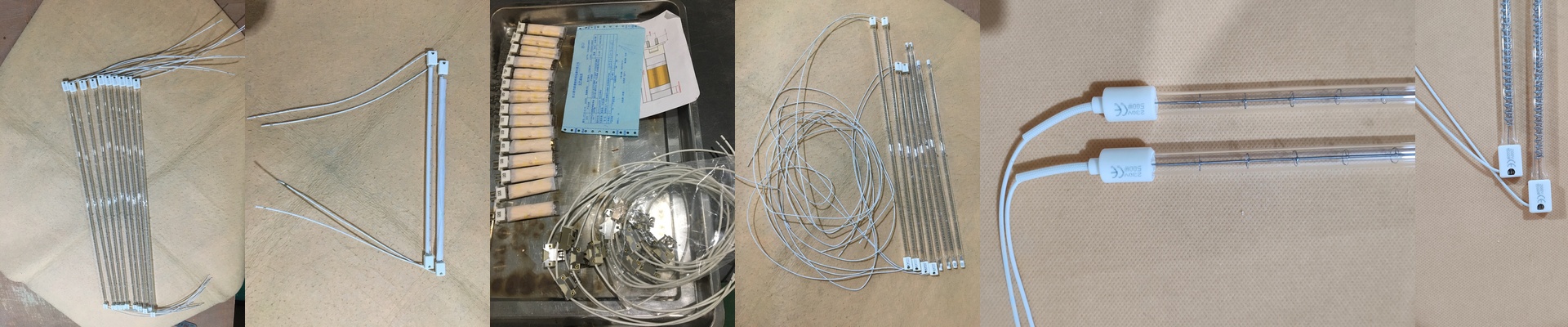
To handle the thermal shock, we stick with high-purity quartz glass. Most of our textile lines also use halogen cycles. It stops the filament from evaporating too fast, which is just a fancy way of saying your lamps will actually last. Then there are the connectors. Whether you’re using R7s or Sk15, it doesn’t matter as much as the fit. **A loose connection is a nightmare.**It creates an arc, and before you know it, your socket is melted. It’s a small detail, but it’s usually where things go wrong.
Finding the Right Balance
No lamp is a magic wand. Short-wave infrared hits the surface of the fabric instantly. It’s great for a quick snap, but it doesn’t get deep into thick piles. For the heavy stuff, we tweak the coating to shift the spectrum. You lose a bit of that instant surface heat, but the heat actually penetrates the fabric. It’s always a trade-off between how fast you can run the line and how deep the cure needs to be. The best part? We build these to be drop-in replacements for the big international brands. You can swap them out and get a stable heat output without having to tear apart your wiring or rebuild your entire rack.