Getting Your Powder Curing Right (Without the Headaches)
When you’re looking for new curing lamps, it’s tempting to just hunt for the cheapest price per tube. But here’s the thing: that’s a quick way to end up with a mess of ruined parts. It’s really all about the balance. You have to match the heat to how fast your line is moving and how thick that coating actually is. We don’t just toss tubes in a box and ship them. We actually sit down with you to map out your curing zone so you can stop worrying about under-curing your parts or, even worse, scorching them.
The Deal with Heat and Voltage
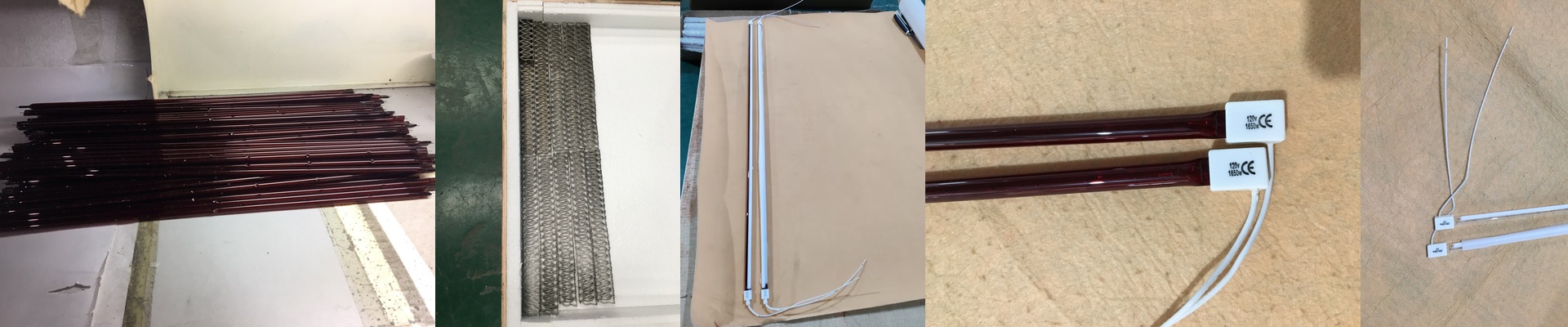
Think of wattage and voltage as your speed dial. High-wattage shortwave lamps hit your parts with an immediate blast of heat. You absolutely need this if you’re working with thick metal pieces that just soak up heat like a sponge. If you go with a high-voltage setup, you get a lot more heat in a much smaller space. It’s efficient. But a word of warning: if you cram all that power into a short tube and your reflectors are dirty or crooked, those lamps are going to burn out fast. Keep them clean, and they’ll treat you right.
Quartz and Connections (The Gritty Stuff)
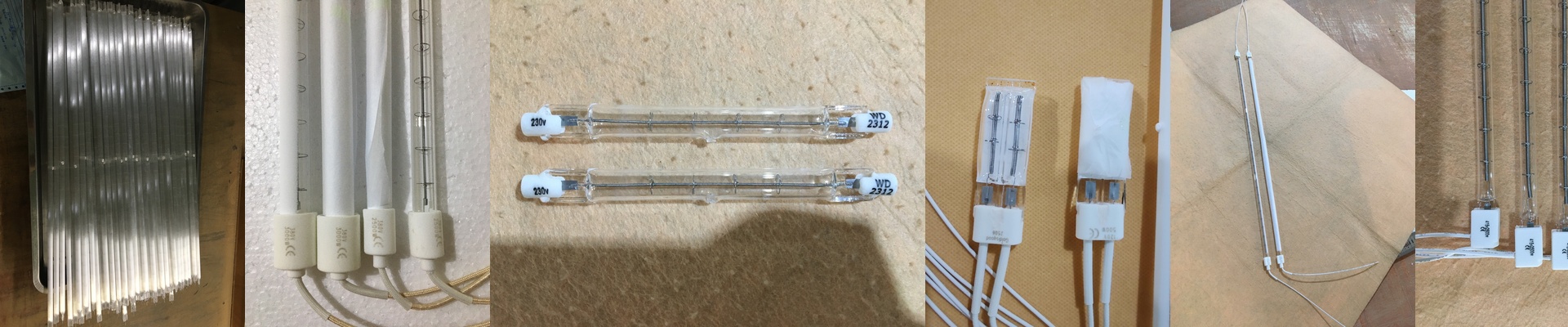
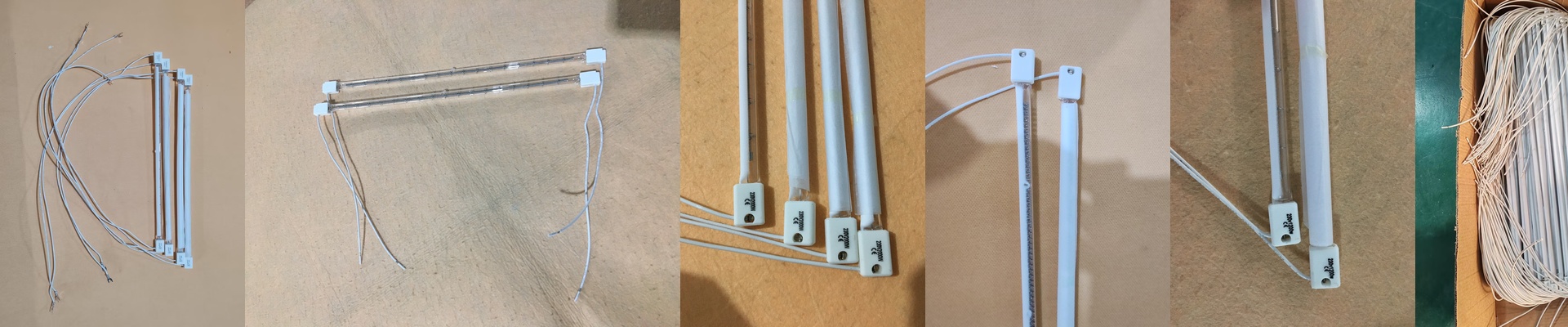
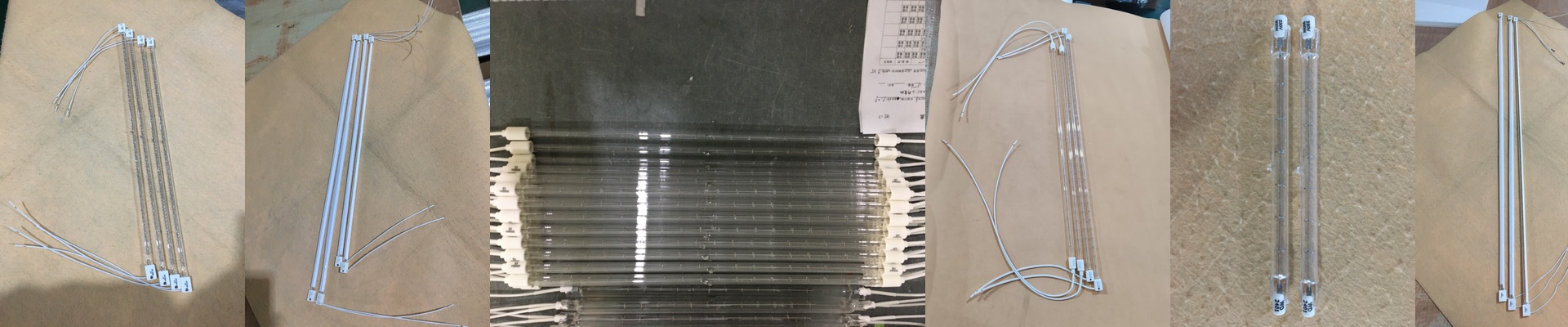
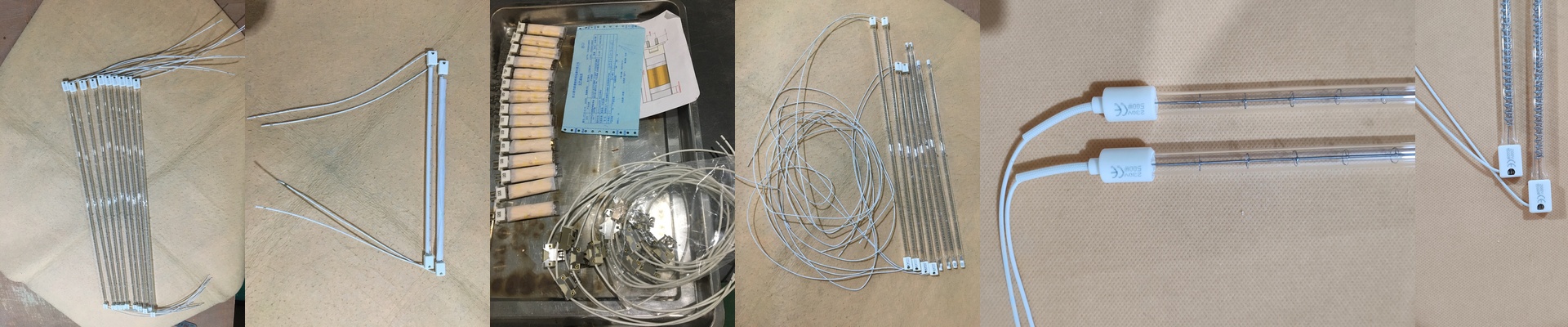
We use high-purity quartz because these lamps take a beating. They’re constantly heating up and cooling down, and that stress kills cheap glass. As for the plugs, you’ll probably see R7s or SK15 connectors on your racks. We stick with those because they just work. When a tube finally gives out, you want a drop-in replacement that doesn’t require a degree in engineering to install. And if you’re using some weird, specialized powders? Let’s talk. We can do coated quartz to tweak the heat spectrum, which keeps those annoying surface bubbles from popping up.
Speed vs. Power
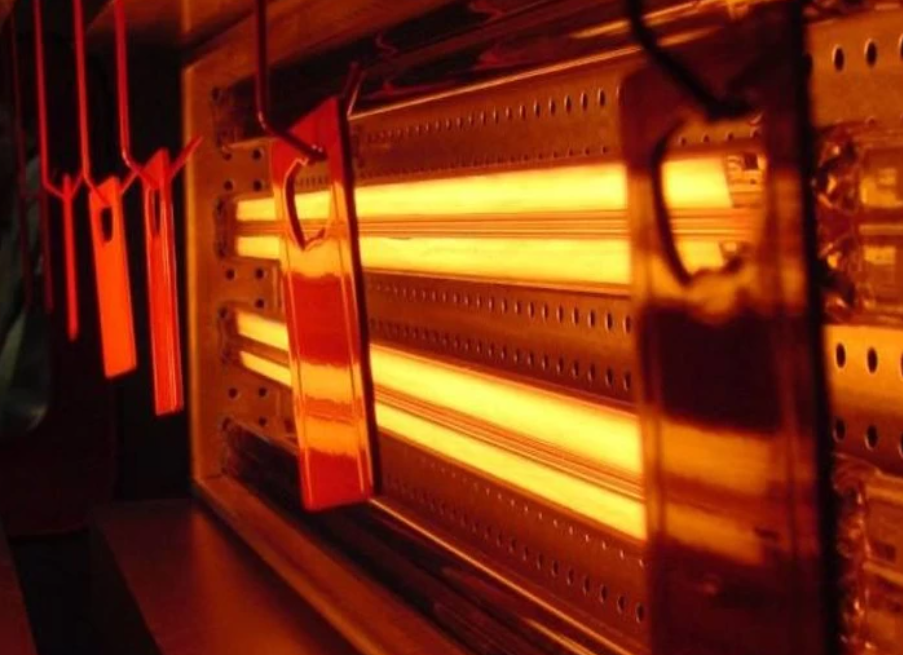
Fast curing is great. It saves you a ton on your electric bill and frees up floor space. But you can’t just crank the heat to eleven and keep the conveyor at a crawl—you’ll fry the edges of your workpieces. It’s a bit of a dance. We help you figure out exactly where to place the lamps and how to set the power so the powder flows and bonds perfectly across every curve and corner of the part. You get a finish that looks professional and stays consistent, all without wasting kilowatts on heat you don’t actually need.