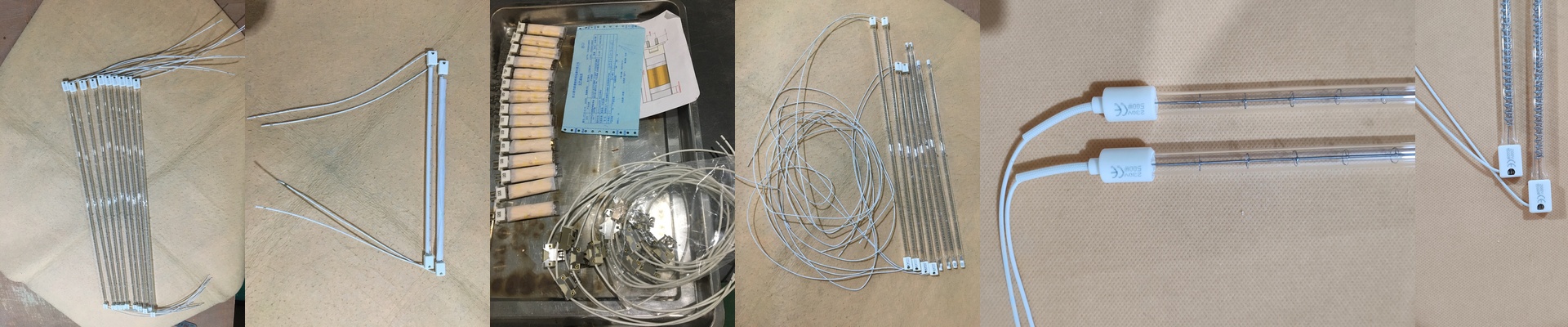

Let’s Talk About Textile Curing Lamps
Getting the heat just right in textile curing is a balancing act. You need enough punch to set the dyes and resins, but if you overdo it, you’re just scorching your fabric. We build our lamps to hit the exact same benchmarks as the big-name global brands. In fact, if our heat density doesn’t match your current high-end gear, we’ll just refund you the difference. Simple as that.
The Nitty-Gritty on Power and Voltage
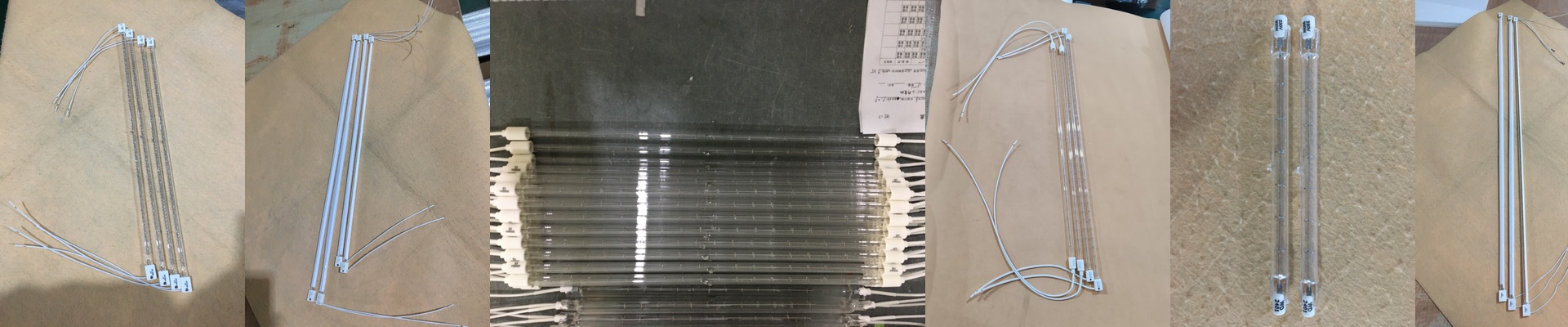
High-wattage lamps are picky. When you’re picking a lamp for your curing tunnel, that voltage-to-wattage ratio is what actually decides how fast your material hits the target temp. If you go with a higher voltage, you can keep the lamp smaller without losing any heat. But here’s the thing: make sure your power supply can handle that initial surge when the lamps kick in. Also, keep an eye on your ventilation. If you crank the wattage too high in a stuffy space, you’re going to burn out your filaments way faster than you should.
Why the Glass and Connectors Actually Matter
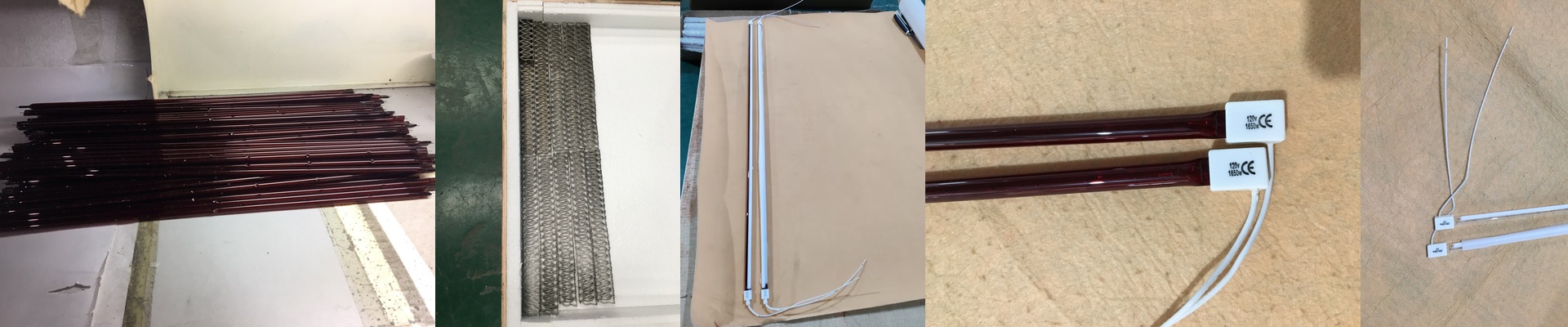
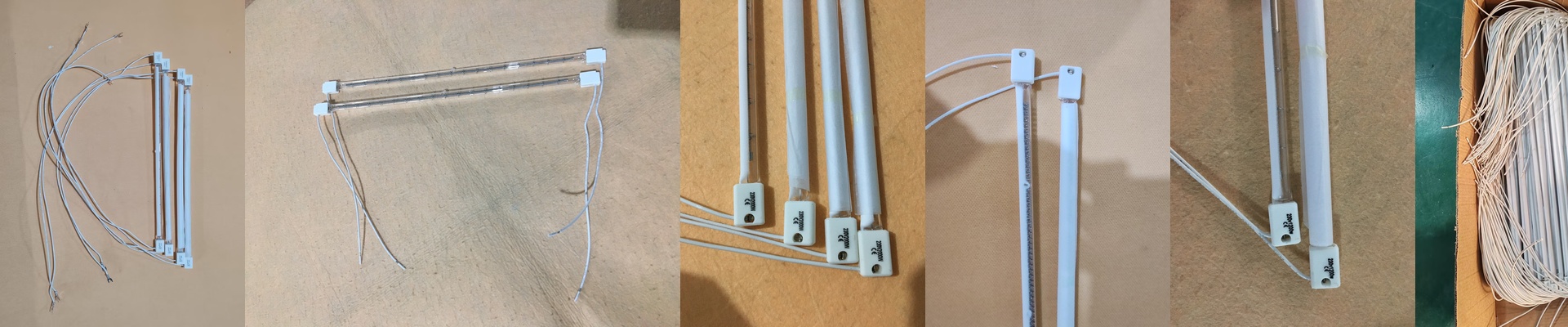
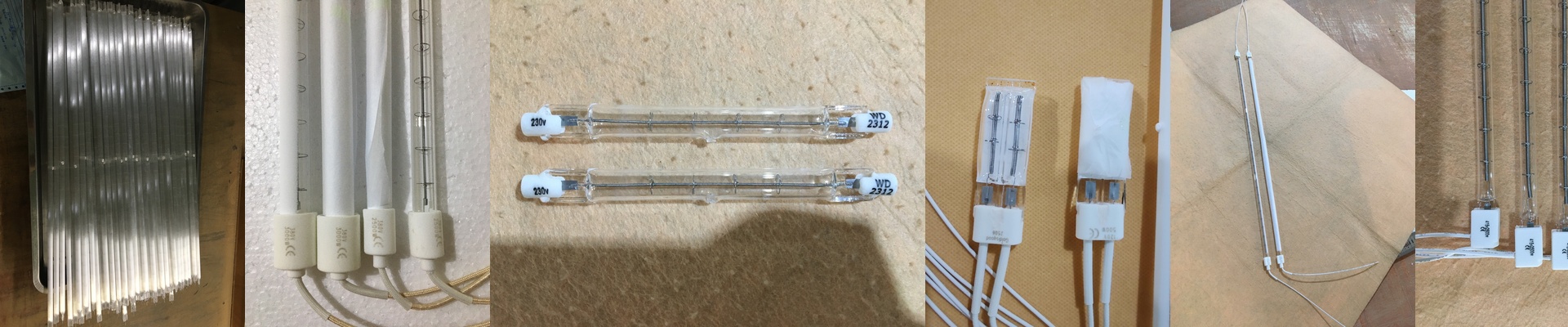
We use heavy-wall quartz glass. Why? Because rapid cycling creates a lot of thermal shock. Cheap glass cracks when it hits a cold start; ours doesn’t. Then there’s the connector logic. Whether you’re using R7s or Sk15, it’s not just about whether it fits in the socket—it’s about the current load. We reinforced the contacts to stop that annoying arcing at the base, which is usually where the budget lamps give up the ghost. Plus, some of our tubes have special coatings. They shift the infrared spectrum so the heat actually hits the fabric instead of just warming up the metal frame of your machine.
Making it Work in Your Shop
These are designed to be drop-in replacements. You wire them into your existing controllers and you’re good to go. But a quick heads-up: if you push for maximum heat density, your cooling fans are going to work a lot harder. If you’re running these at 100% in a cramped housing, things will get hot—fast. Just make sure you balance the lamp’s output with your conveyor speed. You don’t want to accidentally over-cure your fabric because the belt was moving too slow.