Getting the Most Out of Your 1000W Halogen IR Lamp
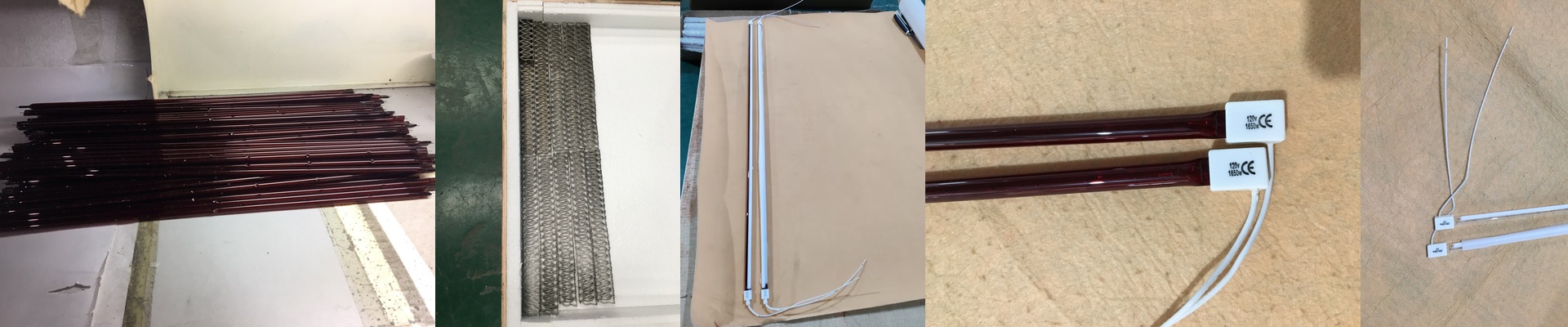
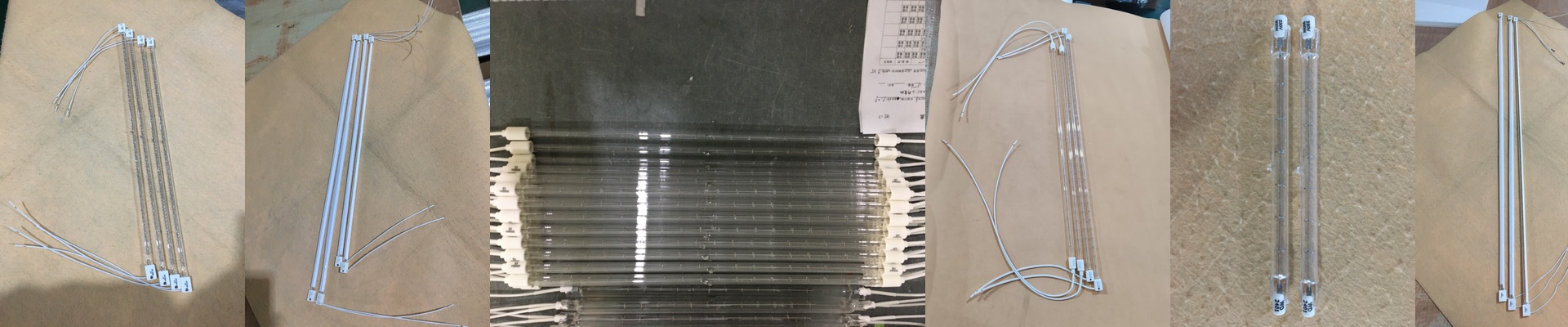
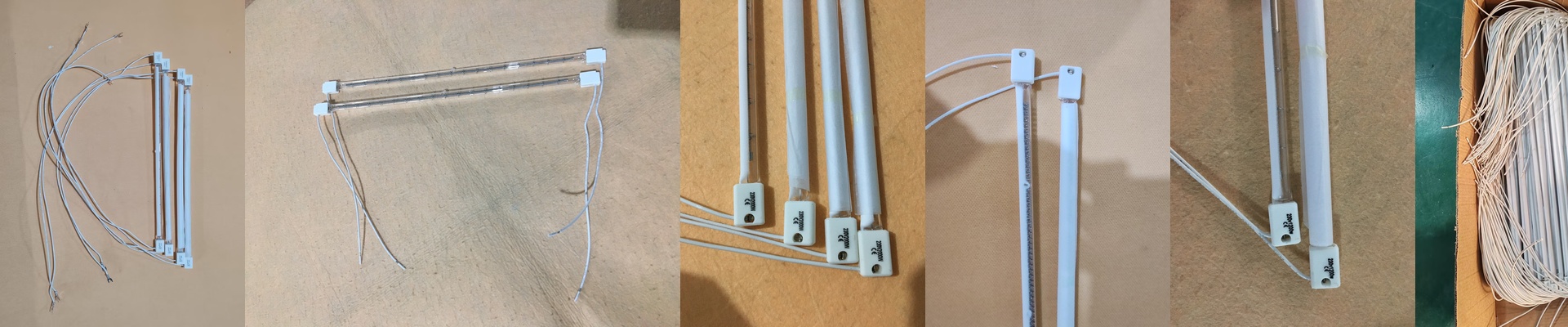
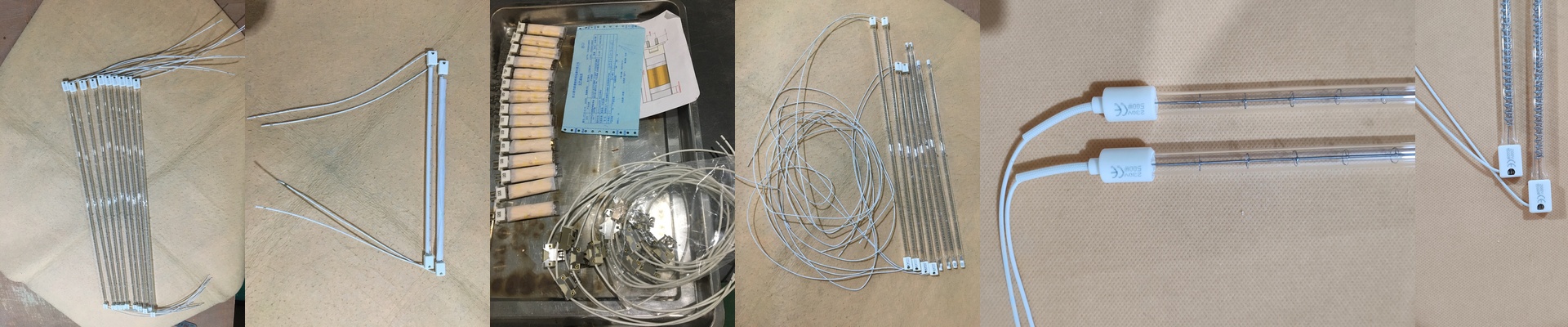
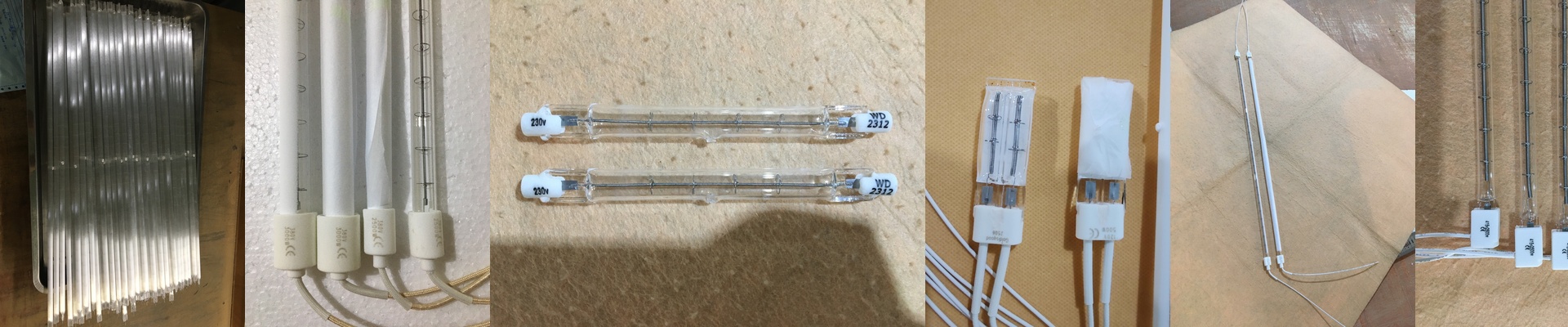
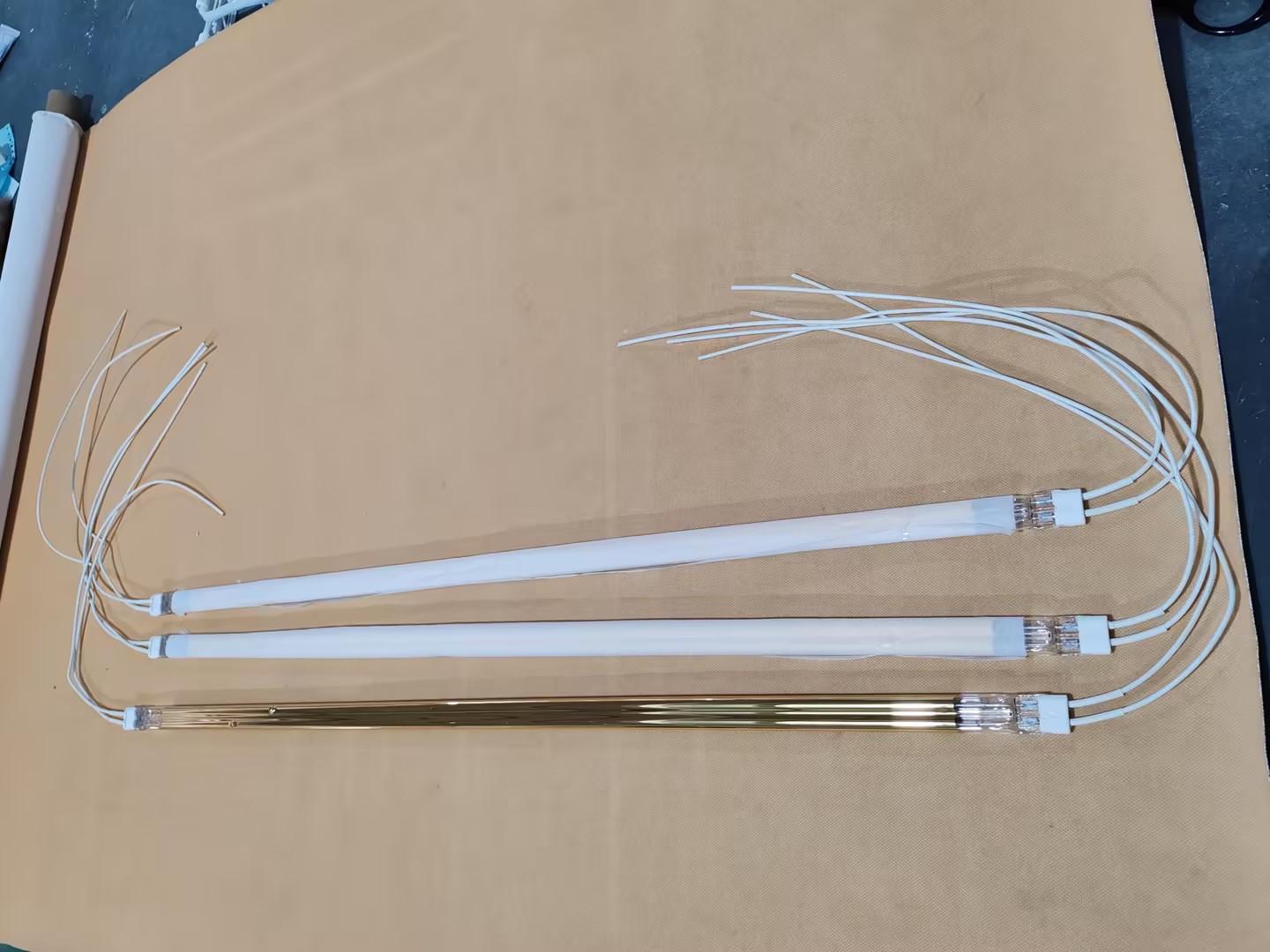
When we build these 1000W halogen lamps, the goal is simple: get a massive amount of heat exactly where it needs to go. Since these work on the shortwave spectrum, the heat doesn’t waste time warming up the air around it. It just hits your material directly. It’s fast. Really fast. The Power Balance That 1000W punch is what actually triggers the chemical reaction in your coatings or gets your plastics soft enough to mold. But here’s the thing—you’ve got to get your voltage right. If you push too much voltage through the tube, you’re basically asking it to burn out early. On the flip side, if you under-volt it, you’ll never hit the temperature you need for a proper cure. It’s a bit of a balancing act. Why Quartz and Halogen? Inside the lamp, things get incredibly hot. That’s why we use high-purity quartz glass; it’s the only way to keep the tube from failing under that kind of stress. Then there’s the halogen gas. It does this clever little trick where it grabs the evaporating tungsten from the filament and pushes it back to the center of the wire. This keeps the filament thick and sturdy so the lamp lasts way longer than a standard bulb. As for setup, we stick with R7s or SK15 connectors. They’re standard for a reason. You can just pop them into most industrial rigs without having to mess around with custom soldering. Real-World Use (And the Gotchas) You’ll see these in everything from PET bottle blowing to ink drying tunnels. Because the heat is so concentrated, you don’t need a massive machine taking up half your floor space. But a word of caution: 1000W of IR radiation is no joke. The ends of the lamp get scorching hot. Make sure your cooling fans are up to the task and your housing can take the heat. If your reflectors get dusty or your fans quit, the quartz can crack from the thermal shock. Keep your optics clean, and the lamps will take care of you.