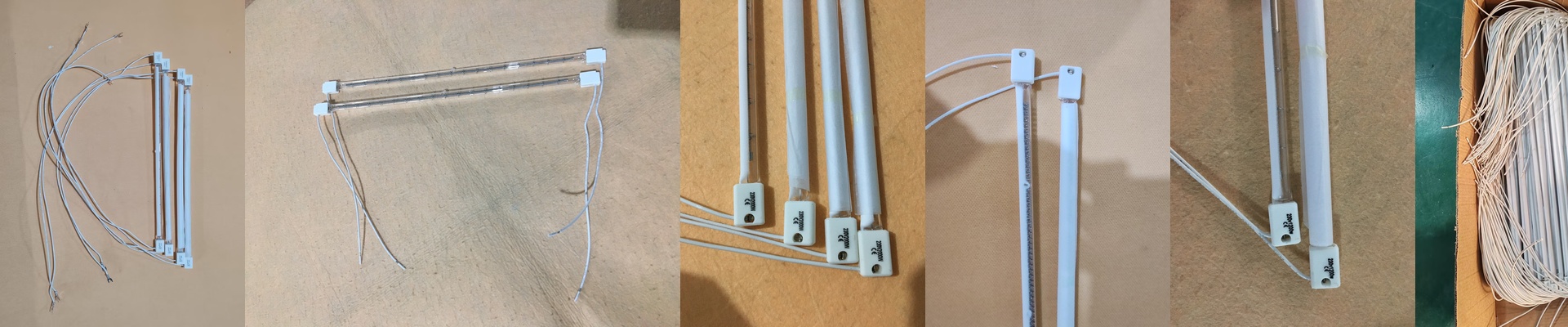
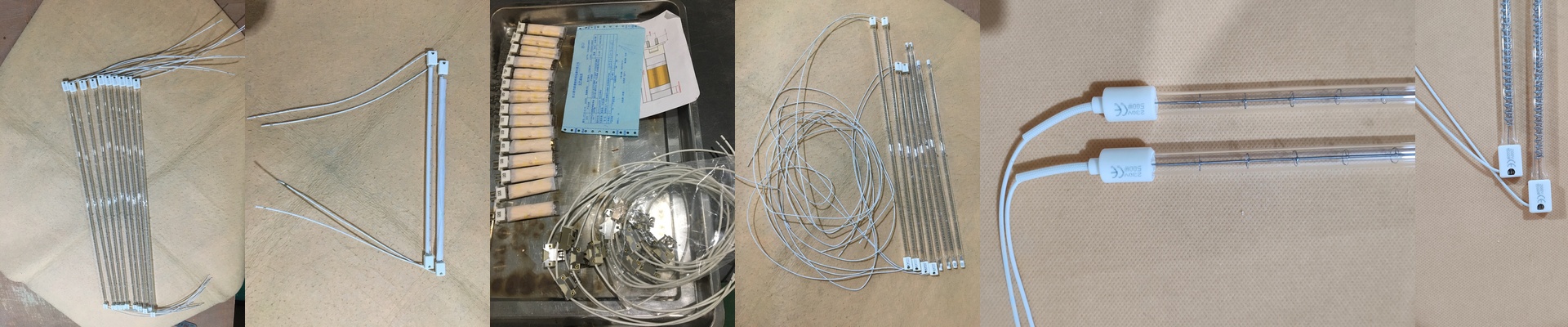
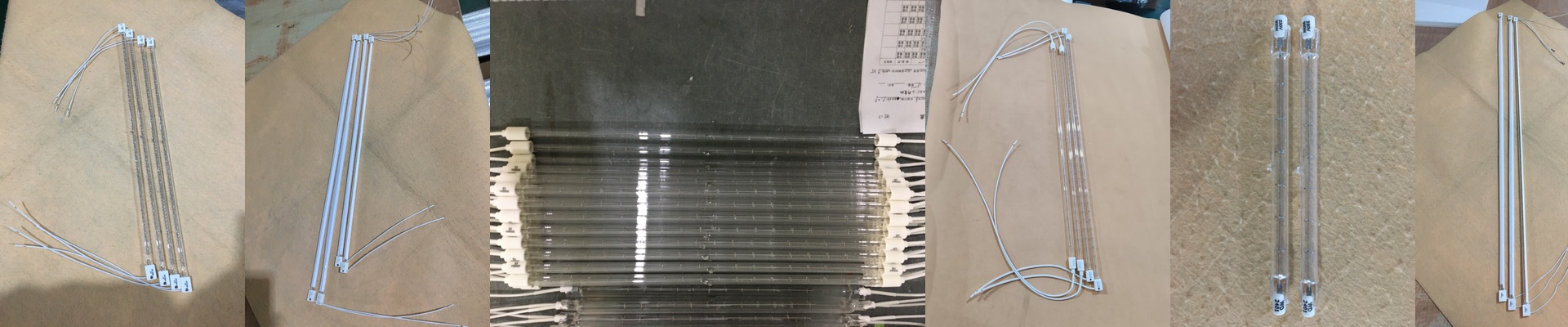
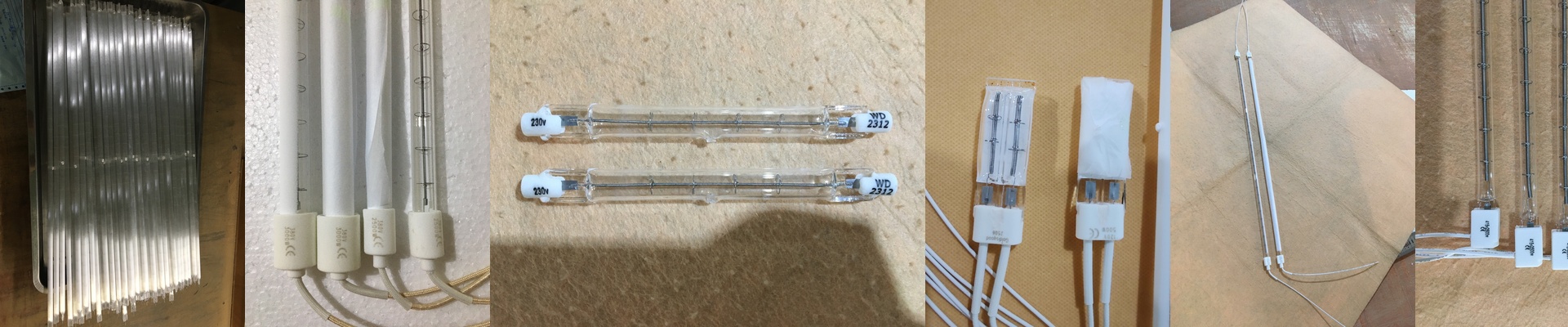
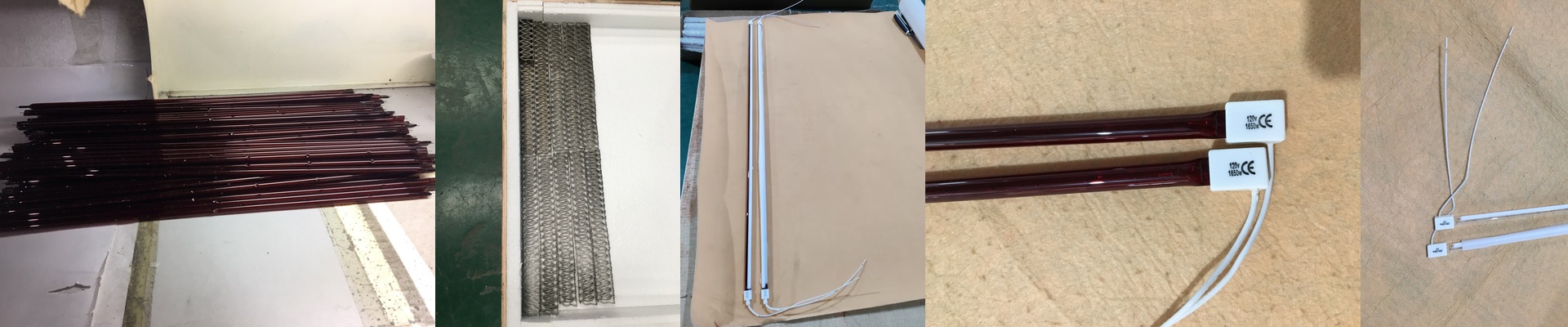
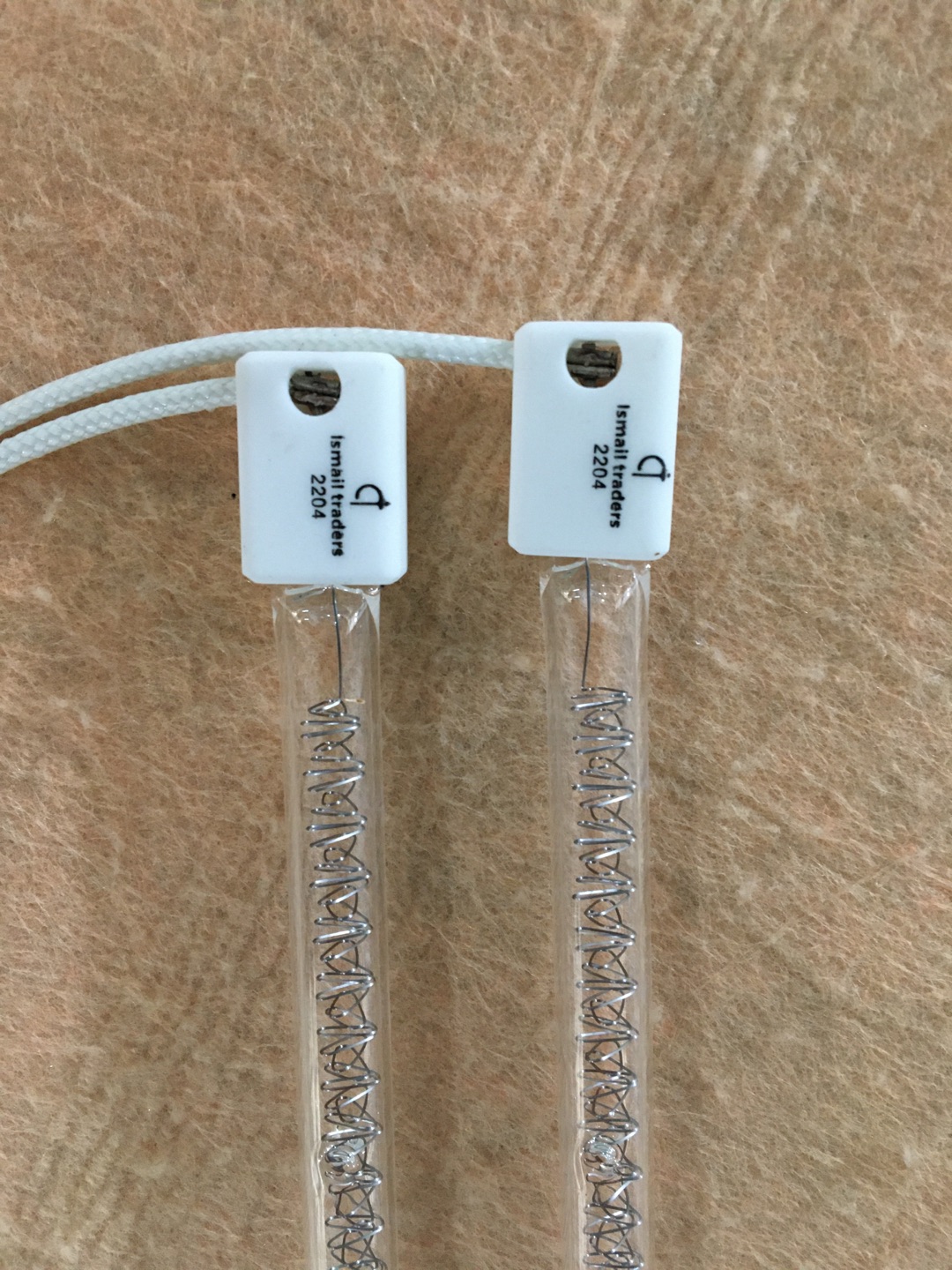
Let’s talk about SWIR Halogen Lamps
Ever tried to heat something up and realized the surface is scorching, but the inside is still cold? That’s where shortwave infrared (SWIR) comes in. Basically, we take a tungsten filament, tuck it inside a quartz tube, and fill it with halogen gas. The magic here is how it handles energy. Instead of just warming the skin of whatever you’re working on, these lamps push heat deep into the material. It’s a much more aggressive, efficient way to get things hot. The nitty-gritty on power When we’re figuring out the wattage and voltage for your setup, we’re really looking at how to hit your target temperature without making a mess of your wiring. If we go with a higher voltage, you can use thinner wires over longer distances. It saves you the headache of voltage drop. But here’s the catch: if you cram a ton of wattage into a short tube, things get incredibly hot, very fast. You’ll want your reflectors polished to a mirror finish. If they aren’t, your housing will just soak up all that heat and start frying your other components. Not a great look. Quartz and Connectors We use quartz glass because it doesn’t freak out when the temperature swings wildly. It can handle the shock. Depending on what you’re doing, we can add coatings to tweak the light spectrum or just keep the tube clean from gunk and contaminants. For the plugs, we stick with R7s or SK15 connectors. They’re the standard for industrial ovens, so they usually just slide right in. They hold tight and keep the connection solid. Just a pro tip: check your socket tension. If it’s loose, you might get some arcing at high currents, and nobody wants that. Real-world use (and the trade-offs) If you’re blowing PET bottles or curing plastics, these are your best friend. They hit operating temp in seconds. It’s fast. Really fast. And that means your cycle times plummet. But there is a flip side. Because the heat is so intense, you can easily end up with “hot spots” if your part is just sitting still. You can’t just set it and forget it. You’ll need a decent PID controller to dial in the power, otherwise, you’re probably going to scorch your material.