Getting Your Monforts Stenter Heat Just Right
Look, we aren’t just here to ship you a box of spare parts. We’re more like your thermal consultants. Why? Because if your IR lamps aren’t dialed in perfectly, you’re asking for trouble. One wrong move with your heat profile and you’re suddenly dealing with uneven drying or, even worse, scorched fabric. That’s a nightmare nobody wants on their shift.
Let’s talk about heat density
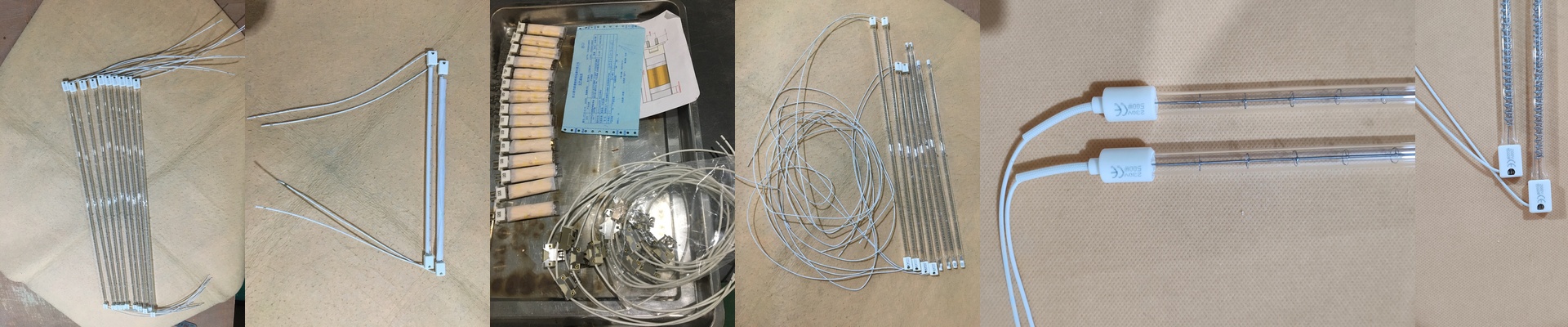
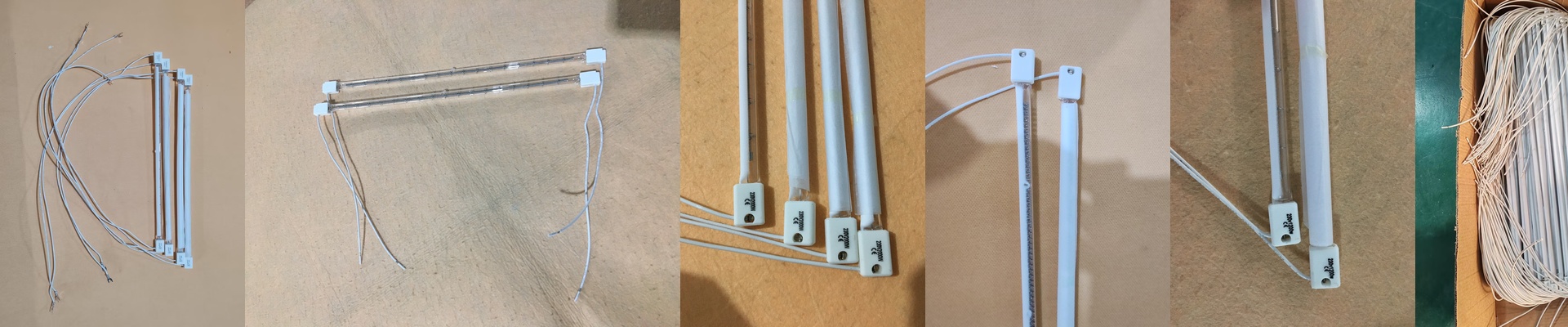
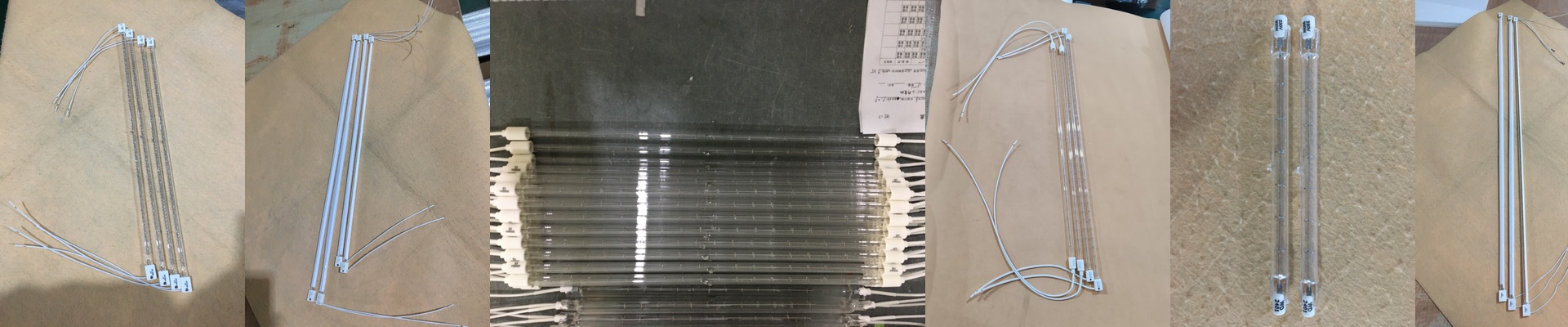
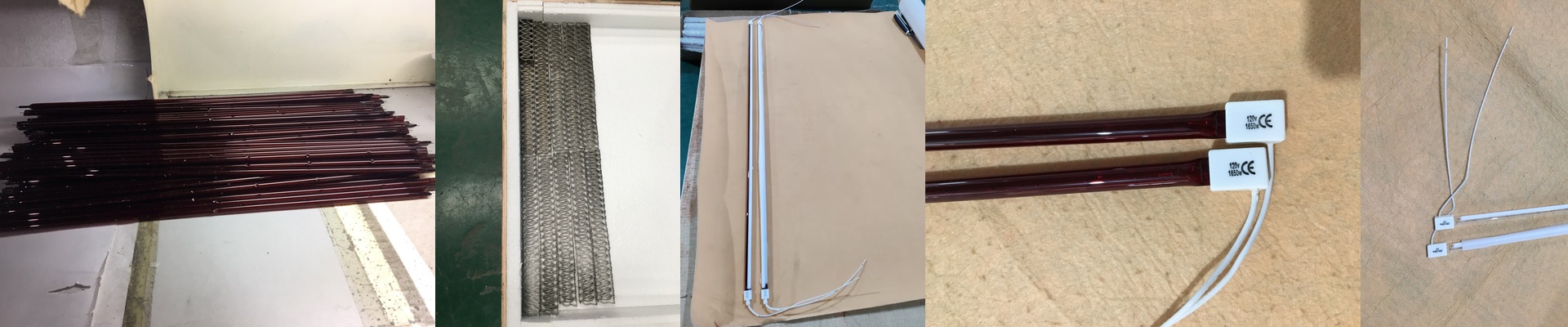
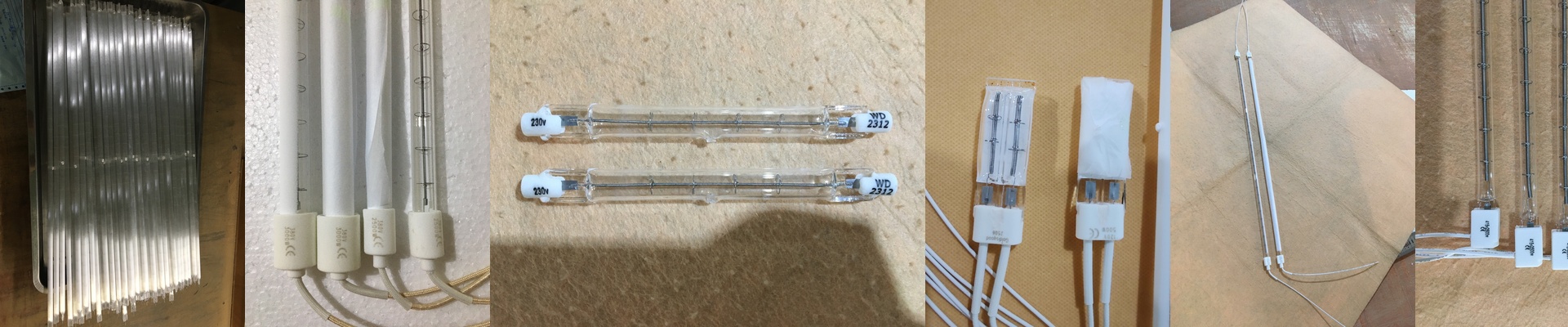
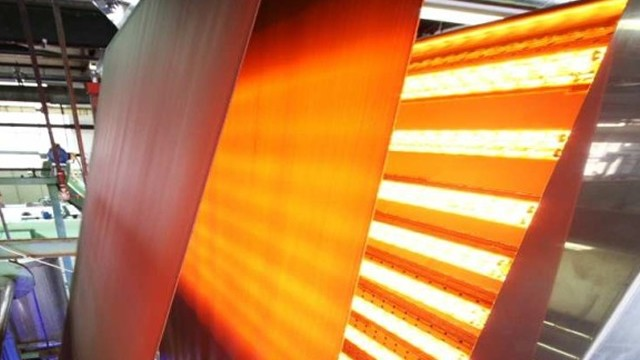
Here is the thing: Monforts machines are picky. They need a very specific mix of wattage and voltage to keep the temperature steady across the entire width of the fabric. When we suggest high-wattage short-wave lamps, we’re talking about how deep the heat actually goes. Short-wave IR hits the fiber and sinks in fast. That means your fabric spends less time in the oven, which speeds everything up. But you have to be careful. Your lamp voltage has to match your power rails exactly. If they’re off, you’ll either end up with fabric that isn’t dry or filaments that burn out way faster than they should.
The gear: Quartz and Coatings
We use high-purity quartz glass because textile ovens are brutal. The thermal shock is intense, and cheap glass just won’t hold up. Depending on what you’re running through the machine, we can tweak the coatings. Gold or aluminum coatings are great because they push the heat forward onto the material. Without them, your oven walls just soak up all that energy, and you’re paying for electricity that isn’t even touching your fabric. And a quick tip: check your connectors. Whether you’ve got R7s or those slide-in terminals, they need to be tight. A loose connection creates a hotspot, and before you know it, you’re melting your housing.
The trade-offs (The part nobody tells you)
It’s tempting to just crank up the wattage to push production speed. But there’s a catch. More heat puts a massive strain on your cooling fans and exhaust systems. If your airflow can’t keep up with the extra thermal load, you might actually warp the machine frame. That’s a very expensive mistake. We can give you drop-in replacements that fit your original setup perfectly. But do yourself a favor: audit your power draw before you upgrade to higher-output tubes. It beats having your breakers trip right in the middle of a peak load.