Getting Heat Right in Modern Textiles
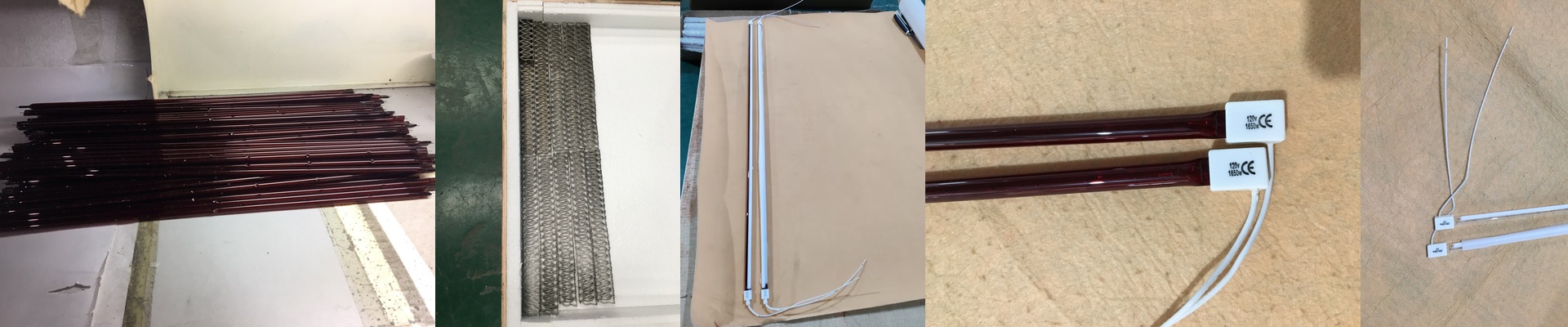
Let’s be honest: heating fabric isn’t just about cranking up the temperature. If you just blast a piece of cloth with heat, you risk ruining the fibers before the core even gets warm. The goal is to get the heat deep into the material without scorching the surface. That’s where high-performance IR lamps come in. They do the heavy lifting so you don’t have to guess if your fabric is melting or actually curing.
The Secret is Power Density
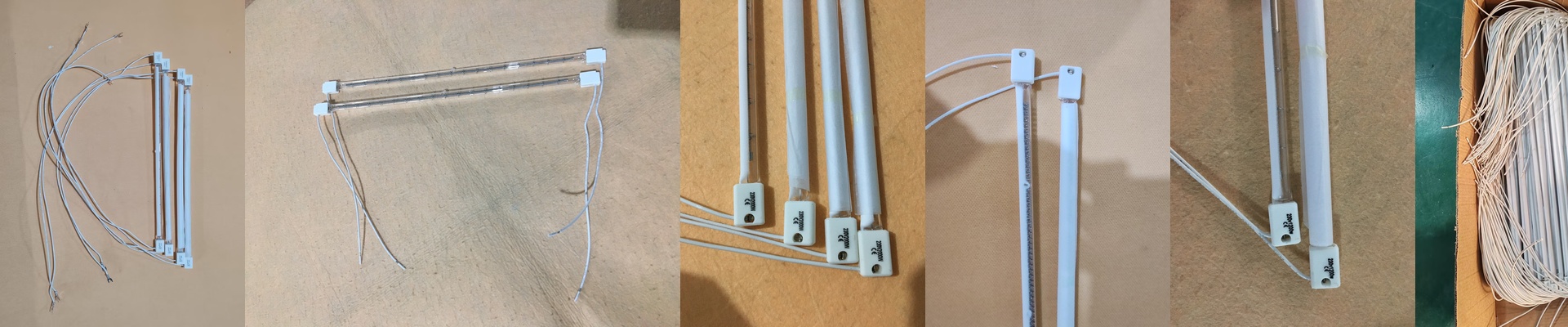
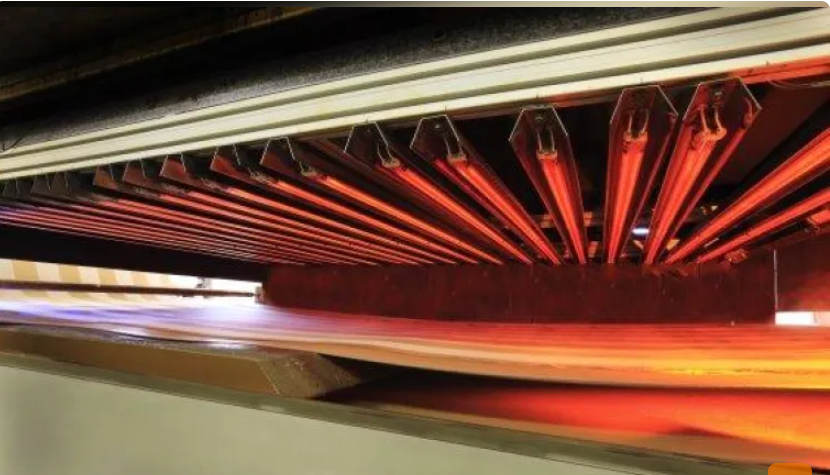
When we talk about shortwave lamps, it’s all about how concentrated that energy is. Think of it like a laser versus a lightbulb. By tightening that spectral band, the heat punches right through synthetic fibers—polyester, nylon, you name it—without burning the top layer. We tweak the voltage and wattage so the filament hits its stride almost instantly. No more sitting around waiting for the machine to warm up.**It’s fast. Really fast.**And that means you aren’t wasting electricity while your line just idles.
The Nitty-Gritty Hardware
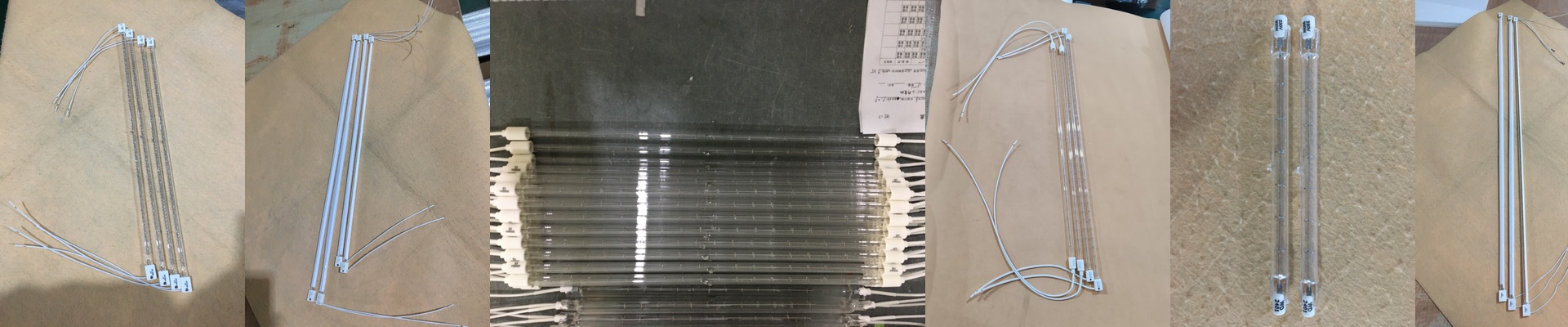
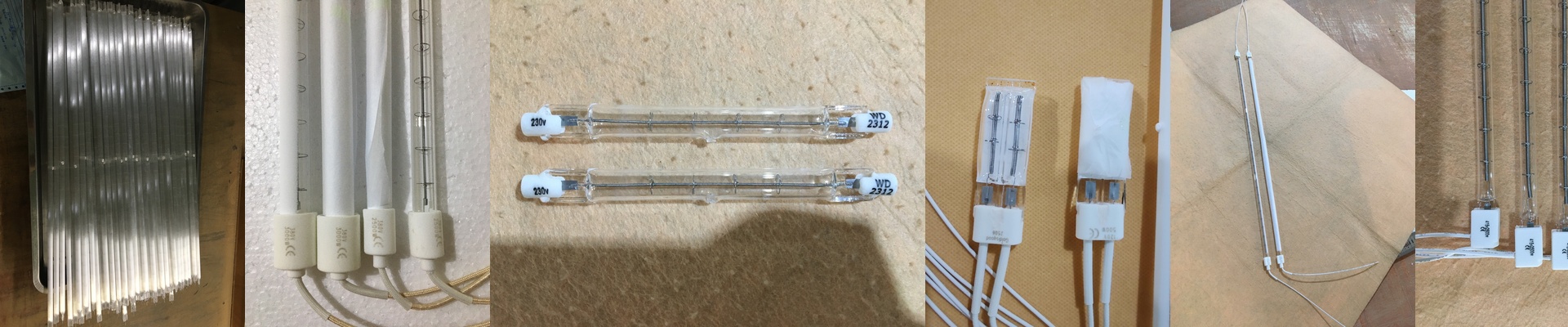
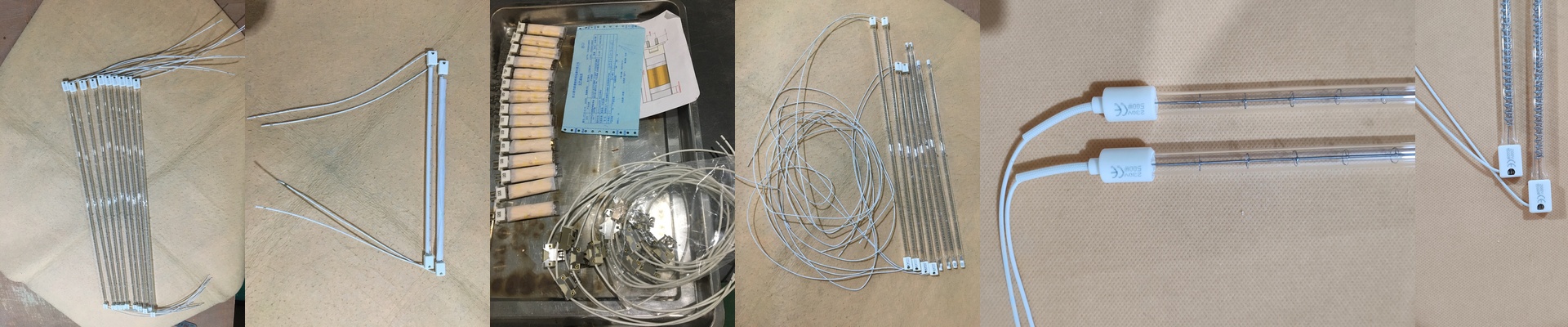
We use quartz glass and halogen gas fills for a reason. It lets the filament run hotter without just burning out and dying. It keeps the output steady and makes the lamps last longer, which means fewer headaches for you. As for the plugs, we stick with the basics like R7s or SK15. Why? Because they just work. You can swap a tube out in minutes without having to tear apart your entire heater bank.
The Trade-offs (Because Nothing is Perfect)
Here’s the thing: when you’re pumping out that much radiant energy, your equipment feels it. If you’re running these lamps at full tilt, your housing and reflectors need to be up to the task. If your airflow is weak, the heat builds up, and your lamps will burn out way sooner than they should. But if your electrical setup can handle the draw, these lamps are a breeze to install. You get a tighter process, a smaller footprint on the floor, and your cure times drop significantly. It just makes the whole day run smoother.