Getting Your Textile Heat Just Right
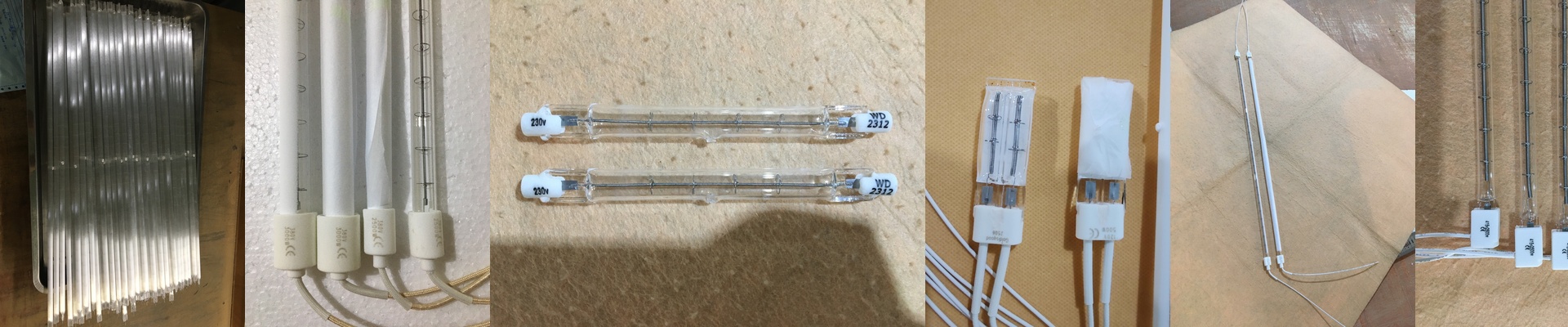
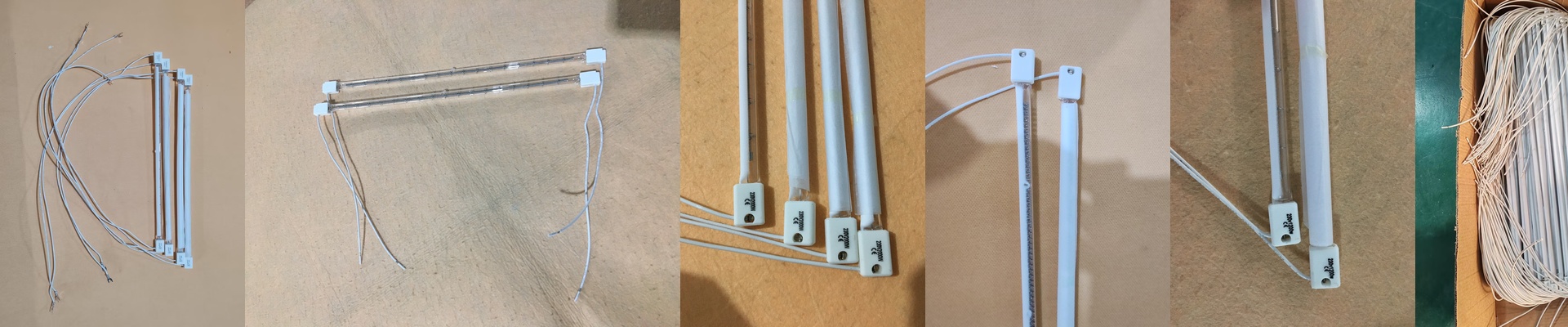
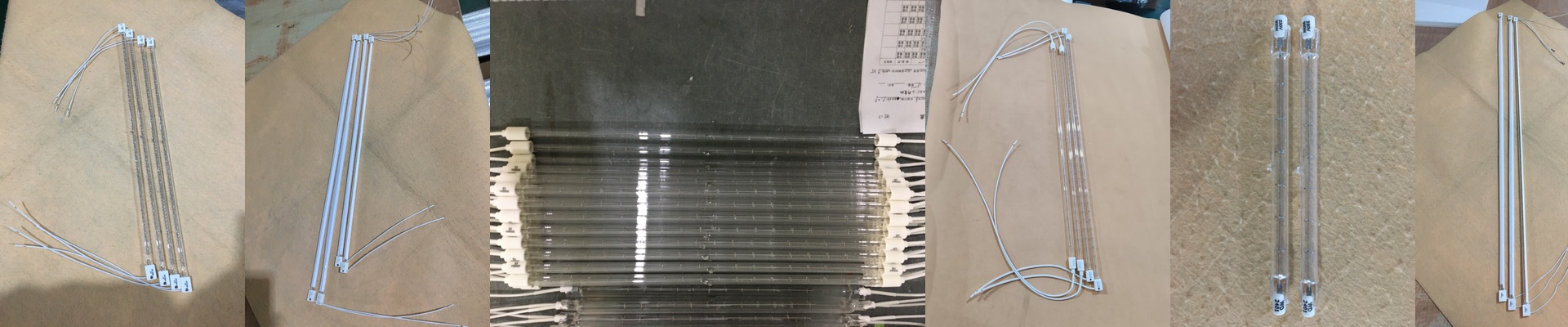
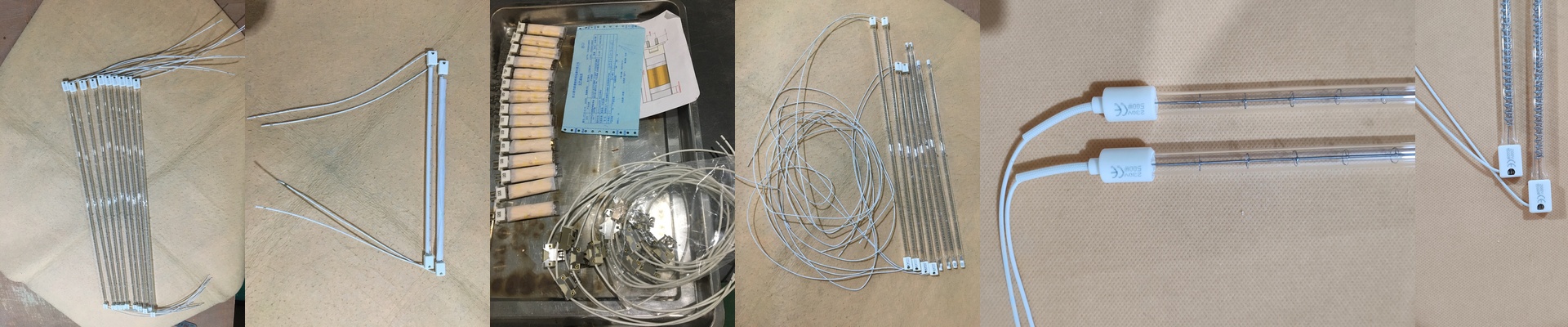
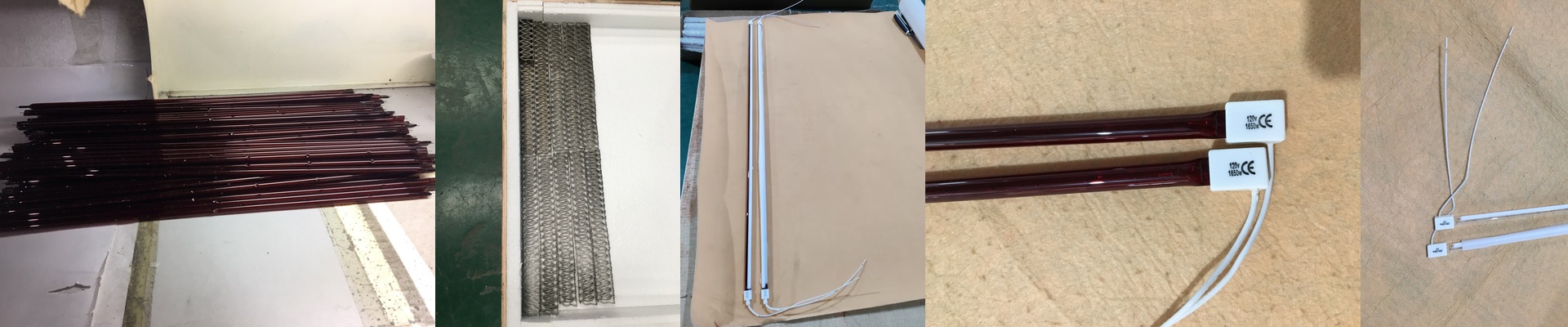
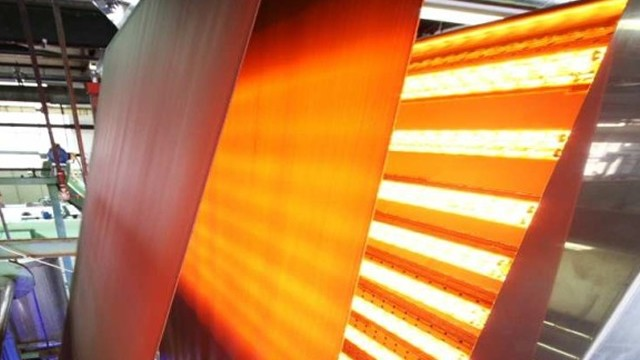
In textile work, you’re always walking a thin line. You need enough heat to set the fabric or dry the coating, but one wrong move and you’ve scorched the material. It’s a headache. That’s why we don’t just ship you a box of bulbs and wish you luck. We actually look at how your machine moves and figure out exactly how much IR energy you need to keep things moving fast without ruining the cloth. The logic behind the power Here is the thing about voltage and wattage: it’s all a balancing act. We tweak those numbers based on how long your tubes are to hit a specific heat density. If we go with a higher voltage, you draw less current. Why does that matter? Because you can pack more lamps into a single circuit without blowing a fuse or overloading your panels. Now, if you’re trying to slash your cure times, you’ll want more wattage per centimeter. Just a heads-up, though—when you pump that much heat into a small space, your housing needs to breathe. If the ventilation isn’t there, your reflectors will start to warp, and then you’ve got a real problem. Quartz, Halogen, and the “Deep Heat” We use quartz glass for the outer shell because it doesn’t freak out when the temperature swings wildly. Inside, we use halogen gas. This stops the filament from evaporating too quickly, which means your lamps actually last. For textiles, we often add specific coatings to shift the energy toward shortwave IR. Instead of just heating up the air around the fabric, the heat actually sinks into the fibers. It’s the difference between a warm breeze and a deep soak. As for the fit, we stick with R7s or Sk15 connectors. They snap right in. No gaps, no sparking, no fuss. Making it work on your floor Getting these wired in is the easy part. The real magic happens during the tuning. Shortwave lamps hit their peak temperature almost instantly. This is great because you can use shorter ovens, which frees up a ton of space on your factory floor. But there’s a catch. Because the heat is so intense, you can get “hot spots” if your reflectors are even slightly off. We’ll work with you to dial in the exact distance between the lamp and the fabric. We want a flat, even heat profile across the entire width of the web—no surprises, no burnt edges.