Getting Metal Coating Curing Right
Most folks think industrial heating is just about cranking up the dial until it’s hot. But if you’ve ever had a batch of parts come out looking wrong, you know it’s not that simple. It’s really about how that energy moves and the specific wavelength of the infrared light. The goal is to hit a precise surface temperature across the metal without accidentally blasting past the flash-off point. If you miss that window, you’re in trouble.
Why we stick with certified IR lamps
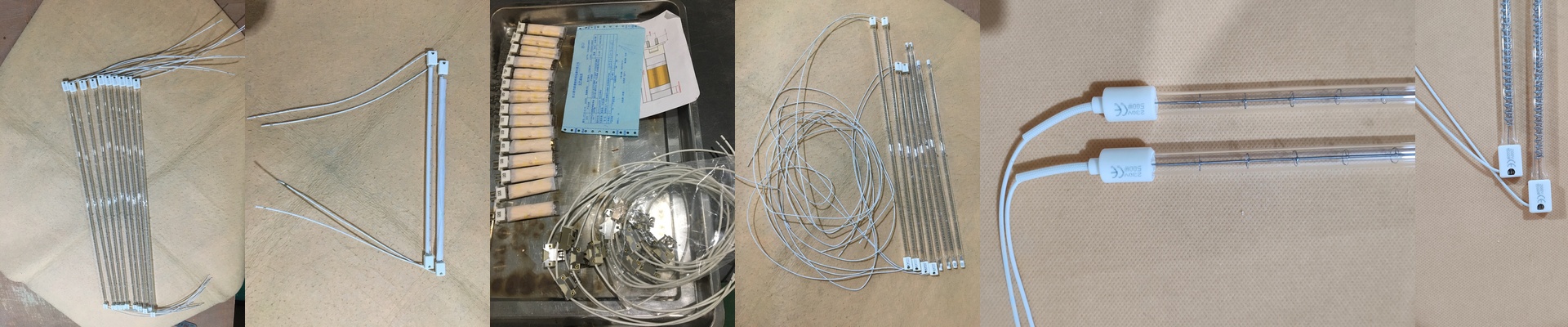
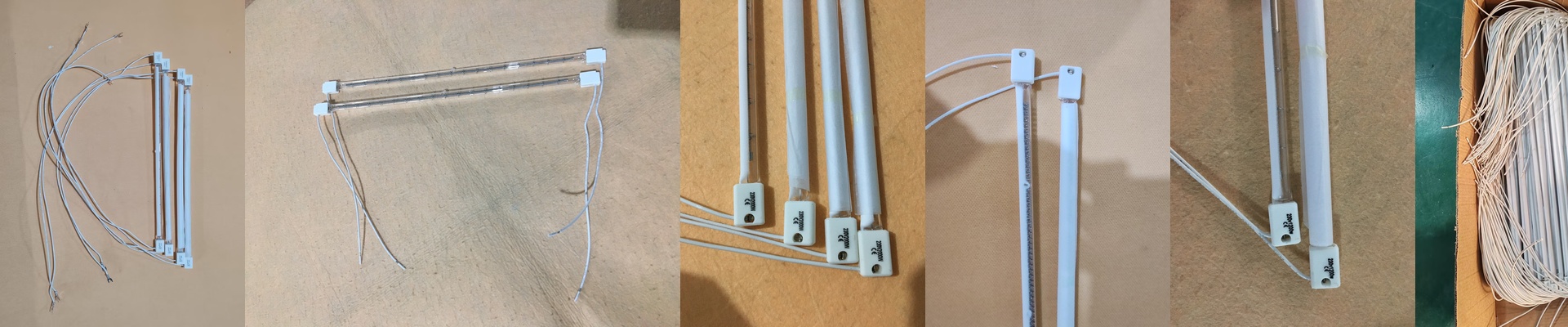
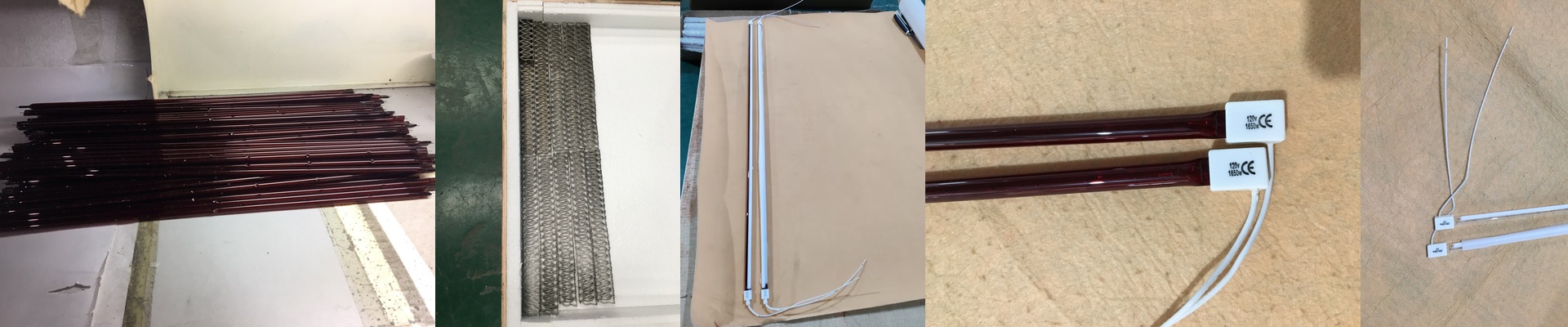
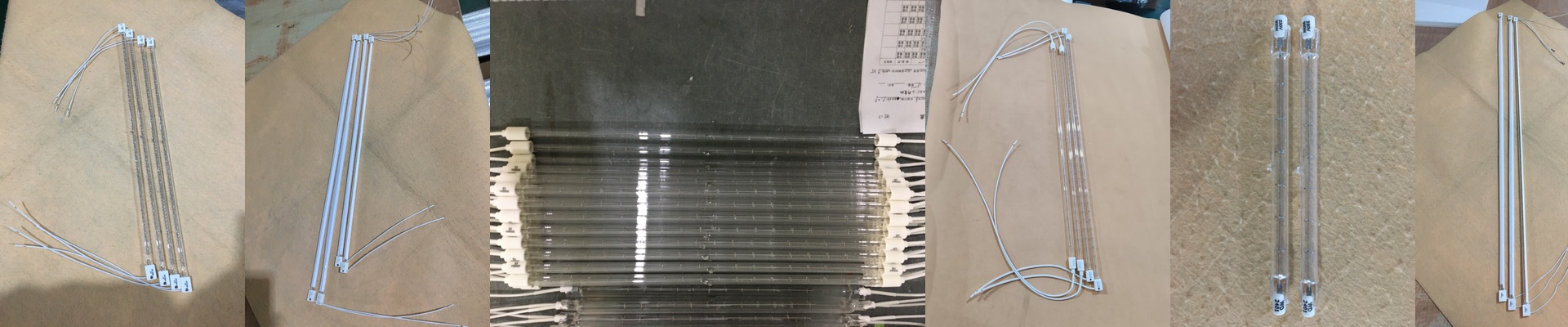
Think of it this way: a standard convection oven just heats the air. It’s slow. Our IR lamps work differently—they send energy straight into the coating molecules. We’re very picky about the spectral distribution here. By using short-wave IR, the heat actually sinks deep into the coating layer. This stops that annoying “skinning” effect where the top dries too fast and traps solvents underneath. Nobody wants a finish that looks great until it starts bubbling.
The guts of the hardware
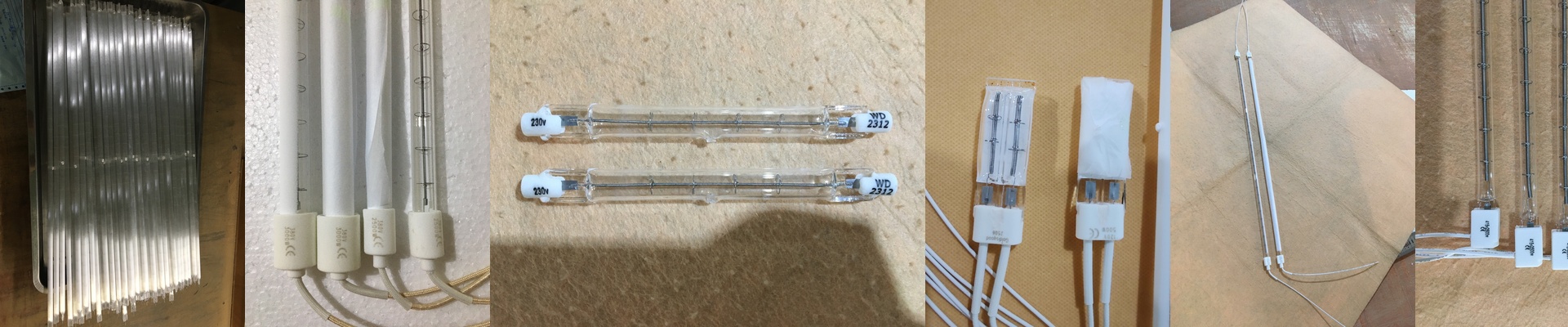
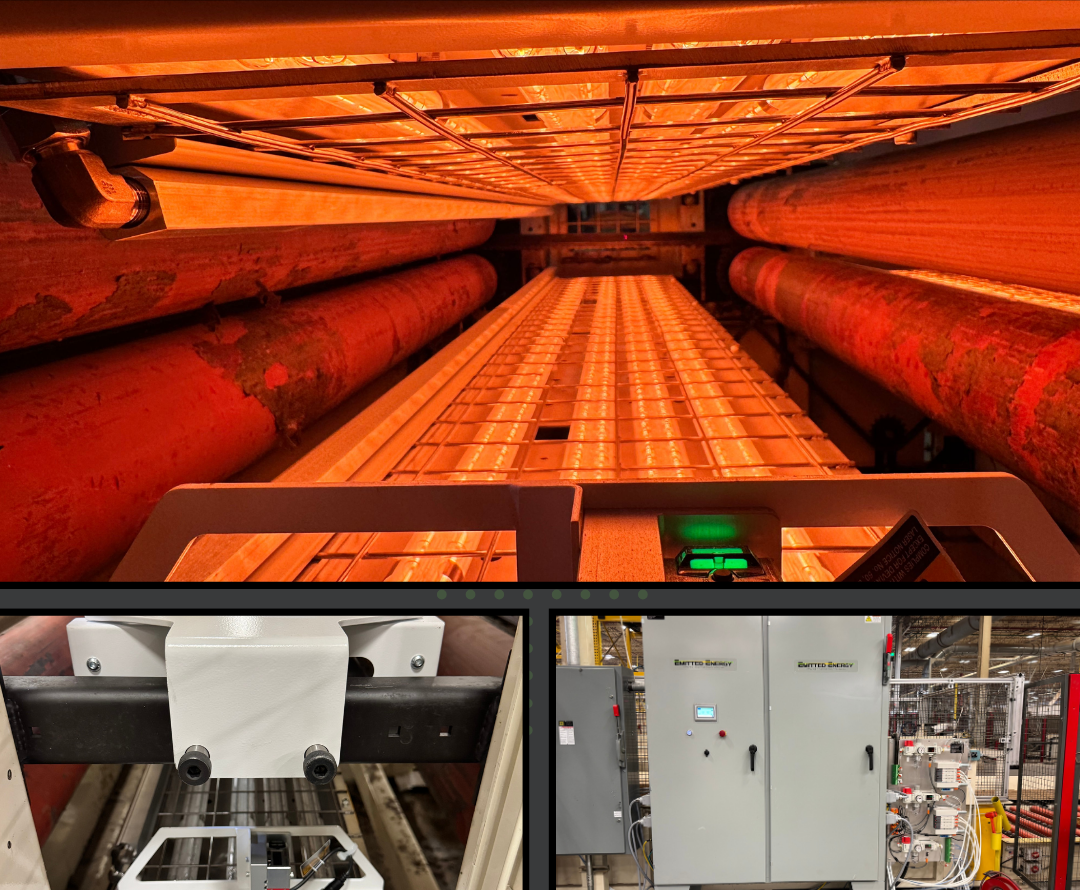
When you’re running a high-output line, you’re dealing with a massive amount of heat. It’s intense. To make it work, we polish the reflectors to a mirror finish. Why? Because we want every single watt bouncing back onto the part, not wasting energy on the walls. We also use quartz glass because it can handle the shock of rapid heating and cooling without cracking. One heads-up: watch your power. These lamps pull a lot of juice. If your wiring isn’t ready for that initial surge when you flip the switch, you’re going to be tripping breakers all day. We usually suggest dedicated circuits for the big arrays. It keeps the voltage steady and ensures your cure is even from the first part to the last.
Making it work on the shop floor
Whether you’re doing powder coating or liquid paint, the ramp-up time is the part that actually matters. We’ve designed these systems to turn hours of waiting into a few quick minutes. But there’s a catch: distance. You have to be precise. If the lamps are too close, you’ll scorch the paint. Too far, and you’re just wasting electricity and time. It’s a balancing act. That’s why we give you exact distance maps—so you can set it up once and know it’s going to work every single time.