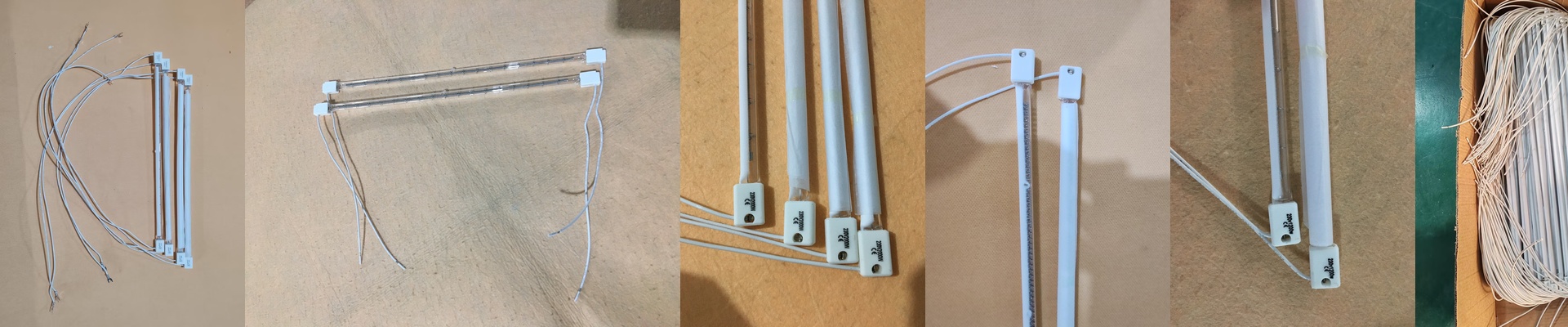

Stop Guessing if Your Curing Lamps are Actually Working
Let’s be honest: the “set it and forget it” approach to heating is a gamble. In a high-volume textile shop, one single lamp burning out isn’t a small glitch—it’s a disaster. You don’t realize it’s happened until you’ve ruined an entire batch of fabric. That’s exactly why we’ve started building self-diagnostics right into our certified curing lamps. No more crossing your fingers.
The reality of heat density
Getting resins or dyes to set properly comes down to one thing: hitting the right watt-density across the whole width of the fabric. When we set up a system, it’s a balancing act between voltage and wattage. You want high-wattage lamps to keep the line moving fast, but that puts a massive strain on your power supply. And here is the part people often miss:cooling. If your fans aren’t sized right for a high-density array, the housing overheats. Once that happens, your lamps start dying way faster than they should.
The nuts and bolts
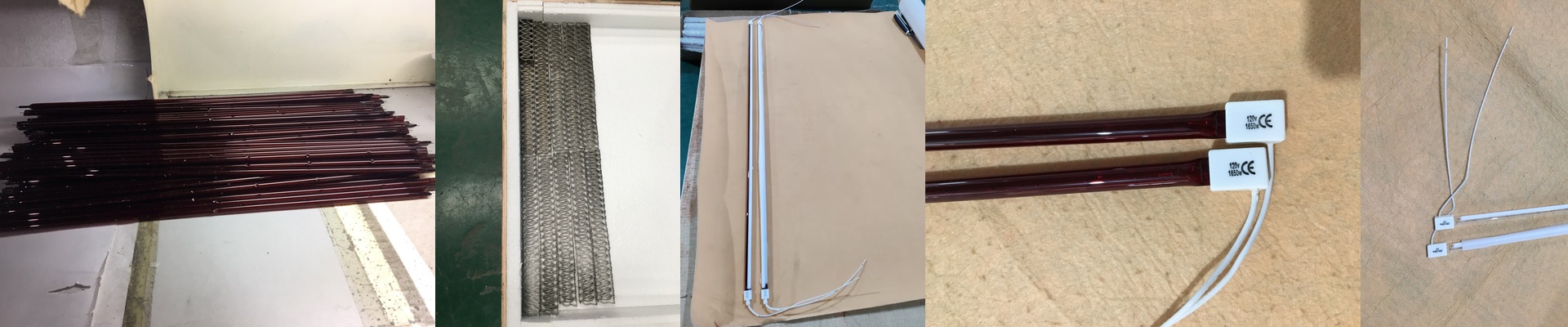
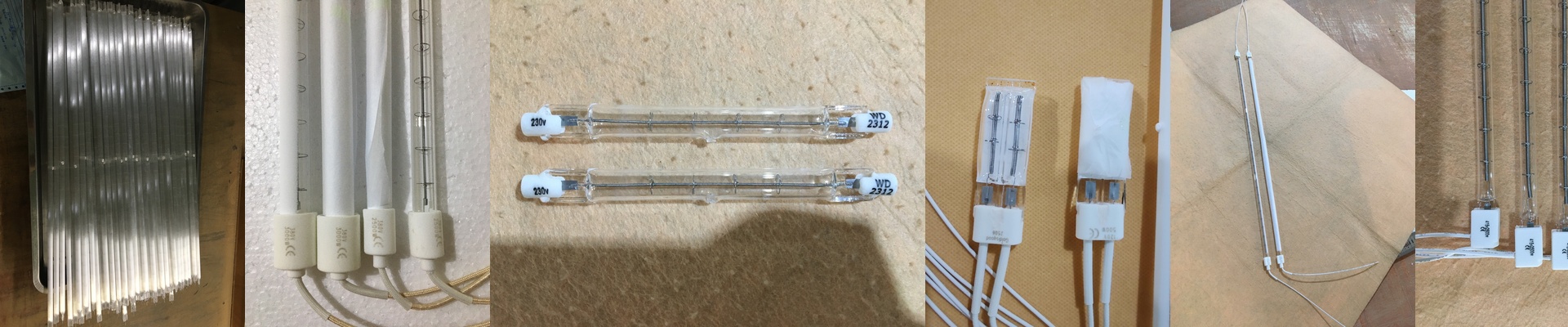
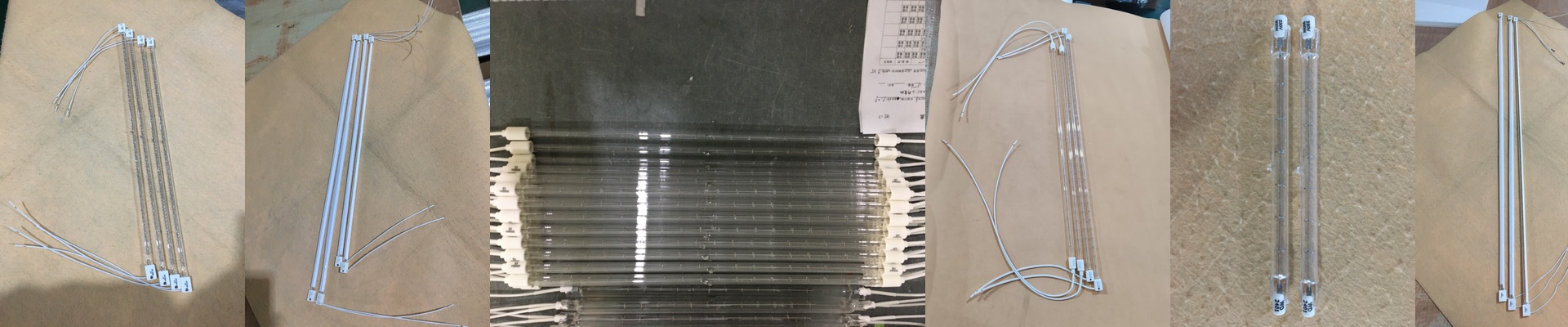
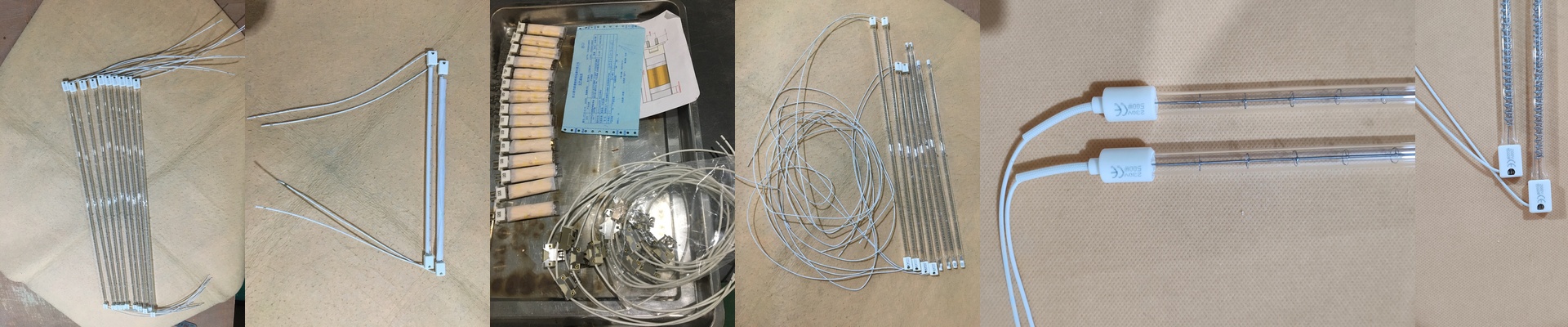
We use quartz glass and halogen cycles to keep the filament temperature steady. As for the connectors—whether you go with R7s or Sk15—it really just depends on how much your machine shakes. You need a tight fit. If it’s loose, you get arcing, and that’s where the trouble starts. We also apply specific coatings to the quartz. This shifts the infrared spectrum so the heat actually sinks into the fibers instead of just warming up the air in the oven. It’s a subtle change, but it makes a huge difference in efficiency.
Making it “Smart” (without the fluff)
When we talk about “smart” tech, we aren’t talking about fancy apps or useless software. We’re talking about monitoring resistance in real-time. The system keeps a constant eye on the current draw of every single lamp. The second a filament snaps, the system catches it. It doesn’t just tell you something is wrong; it flags theexactlamp that died. You can stop doing those tedious manual inspections. You don’t have to hunt for “cold spots” in your finished fabric. You just swap the dead tube, flip the switch, and get back to work. It turns a guessing game into a simple checklist.