Getting Your PET Heat Just Right
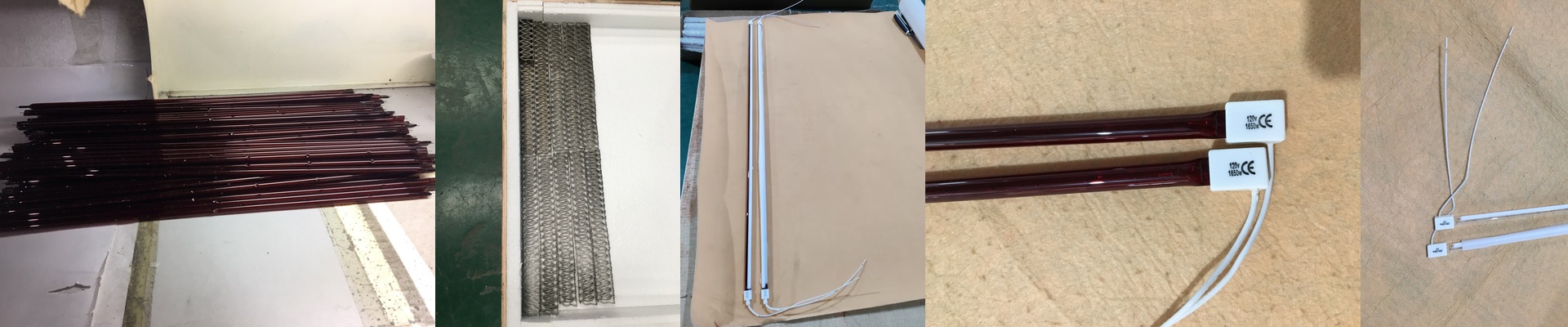
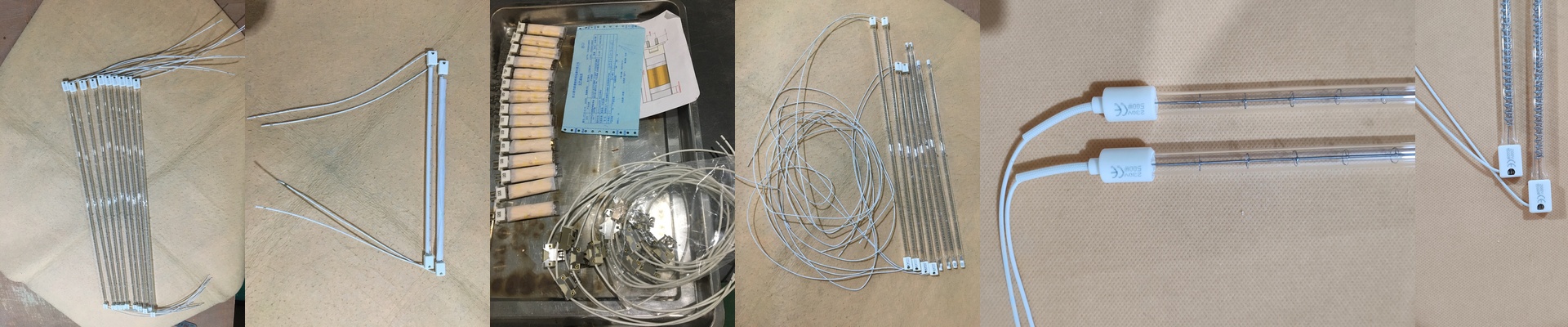
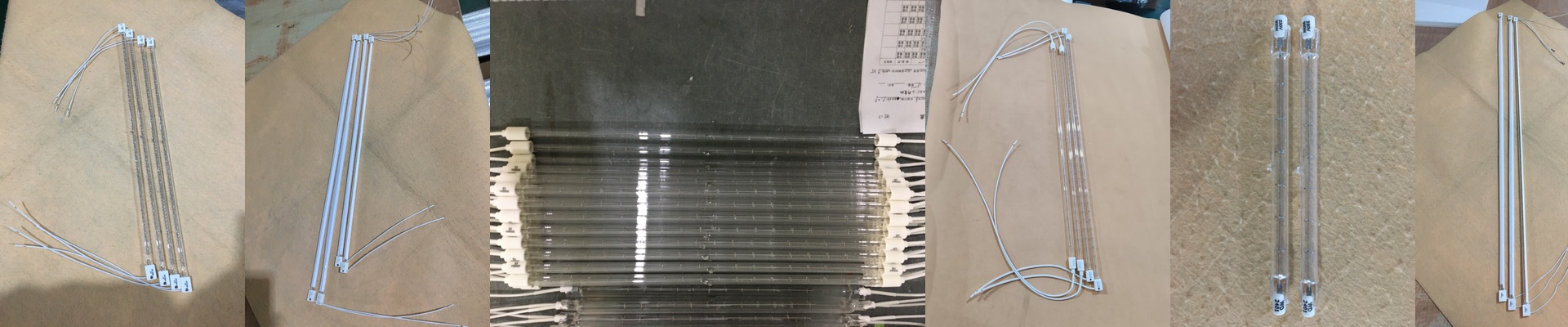
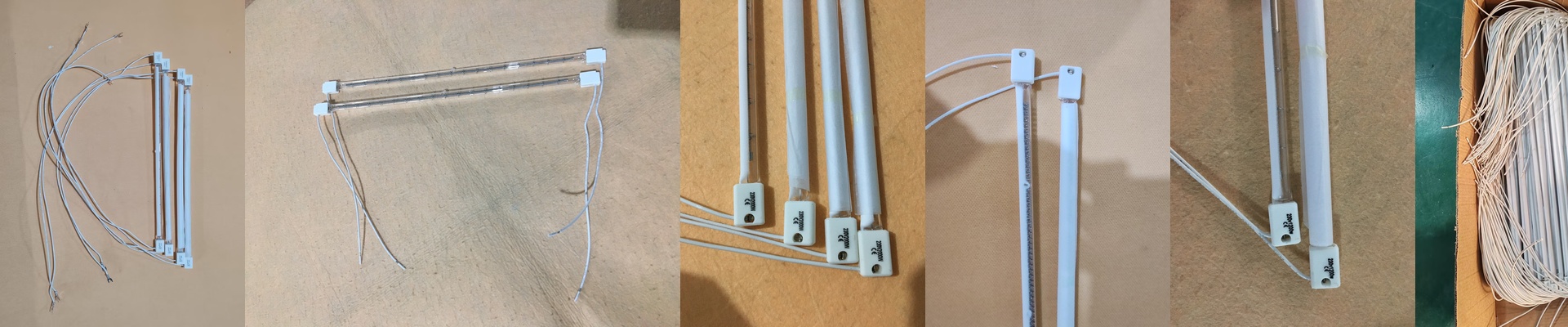
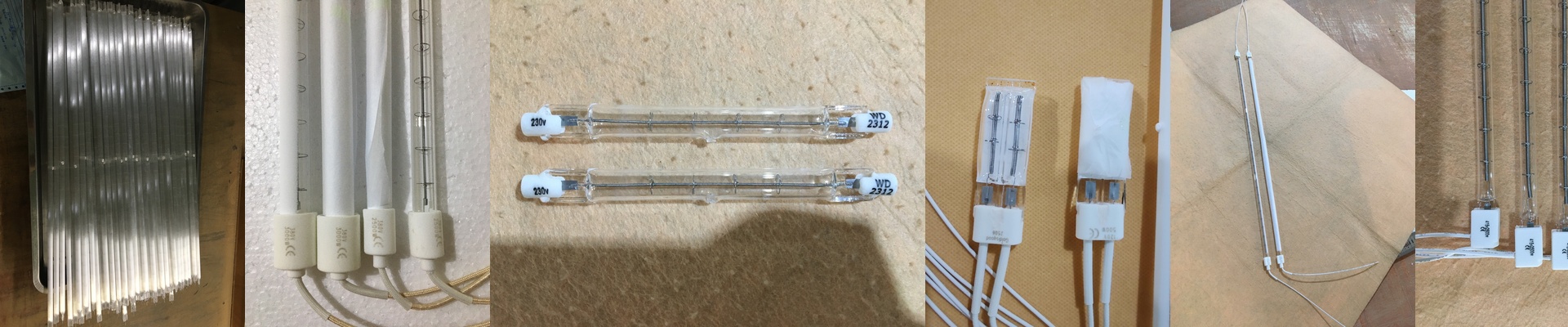
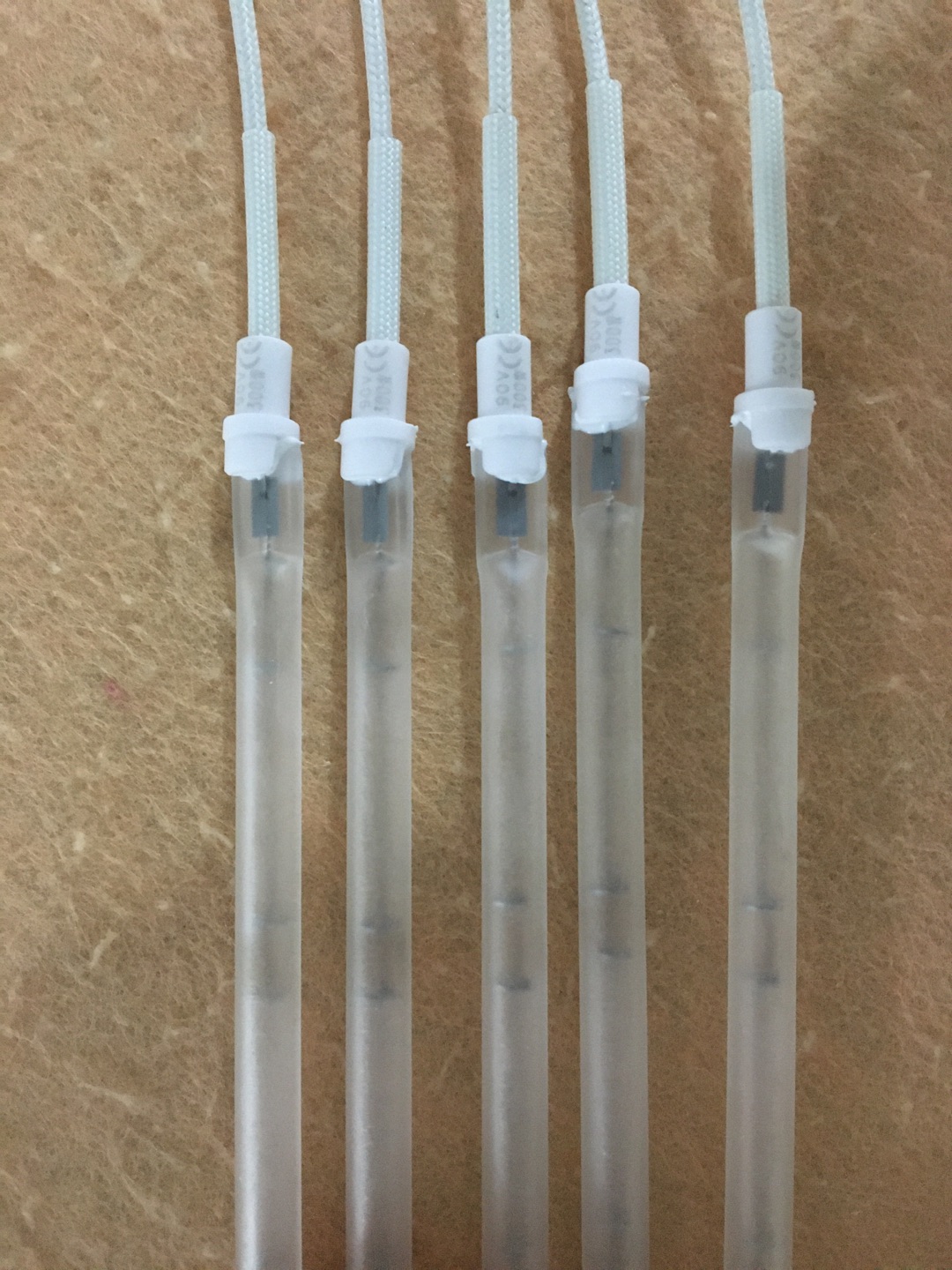
When you’re blow molding PET, it’s all about a delicate balance. You need enough heat to soften the preform so it shapes perfectly, but if you overdo it, you’ll scorch the plastic. Not a great look. That’s why we stick with halogen infrared lamps. They use shortwave radiation to punch that heat directly into the material. It’s fast. Really fast. And that means your cycle times drop, letting you get more bottles out the door. The Power Stuff To get a preform to its glass transition temperature in a matter of seconds, you need some serious muscle. We’re talking 2500W or more. We usually go with a 400V setup. Why? Because it lets us hit those high power levels without the current getting so high that your wiring starts to cook. Just a heads-up: make sure your power supply and transformers can handle those sudden spikes. If they can’t, you’re just asking for a burnout. Quartz and Connectors The heating element lives inside high-purity quartz glass. It has to be quartz because these lamps are constantly flicking on and off, and regular glass would just shatter from the thermal shock. Plus, we often add a special coating to the tubes. It basically acts like a mirror, pushing the heat forward onto the preform instead of letting it bleed out into the machine frame. As for the fit, we use R7s or Sk15 connectors. They’re simple drop-in replacements for most industrial ovens. They snap in tight and stay put, which is exactly what you want when your machine is vibrating all day long. The Trade-off (And how to handle it) Here’s the thing: when you crank up the wattage, you create a lot of ambient heat inside the lamp cage. It gets hot. Like, really hot. If your cooling fans aren’t up to the task, that heat buildup will eat away at the life of your lamps or even warp the parts around them. Take a look at your airflow patterns. If you keep the sockets cool and the venting clear, your tubes will actually last as long as they’re supposed to.