Making Industrial IR Lamps Actually Talk
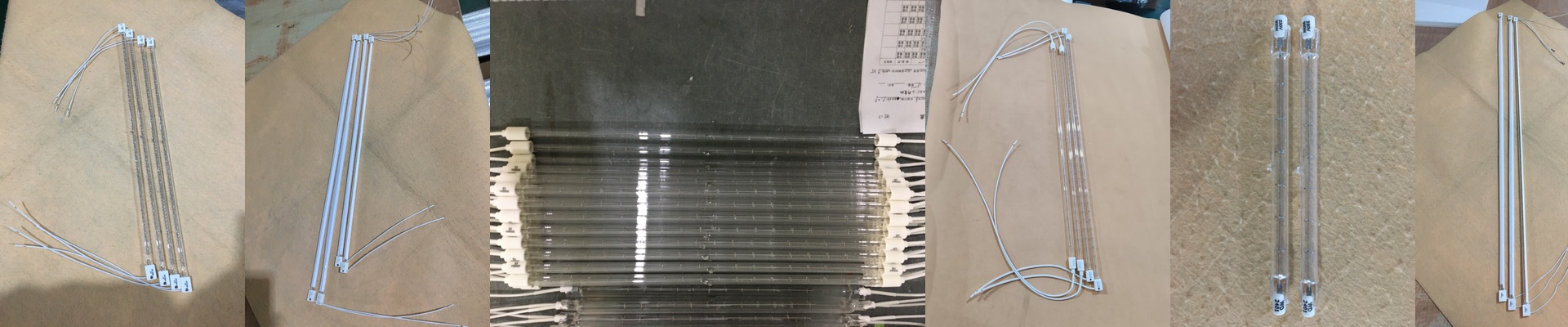
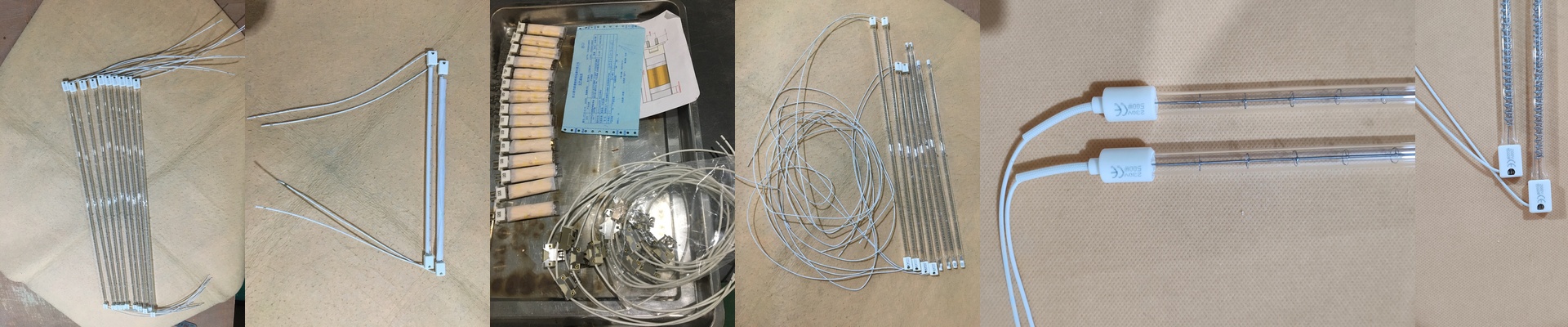
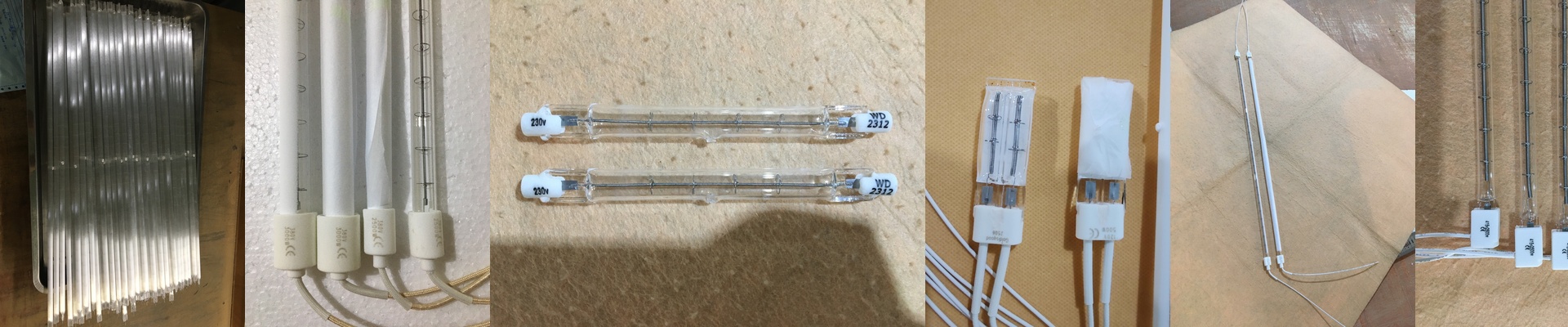
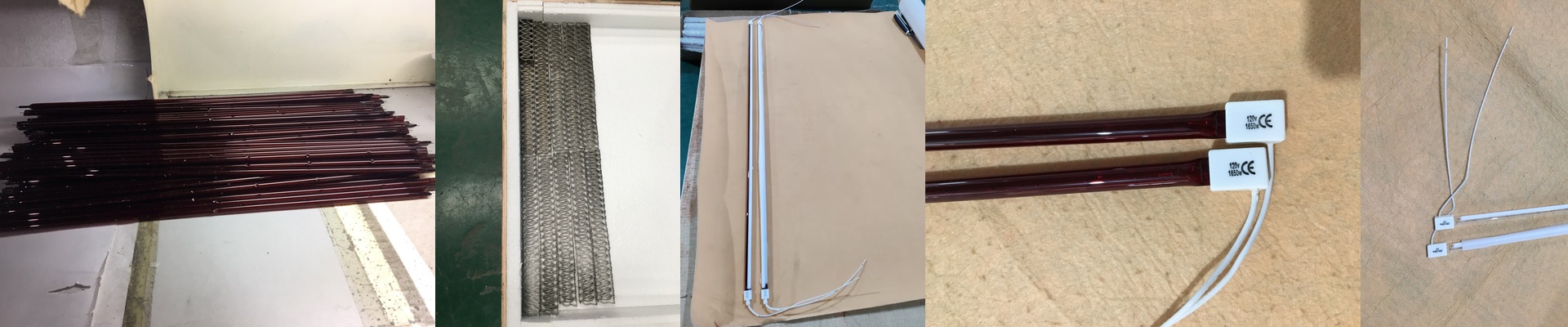
If you’ve spent any time around textile machinery, you know the drill. You need the heat to be exact to set the fabric or dry the coatings just right. For years, we’ve been using “dumb” infrared tubes—basically just quartz glass and a tungsten filament. You wire them in, set a timer, and just pray the heat stays even across the board. But that’s changing. Fast. We’re moving toward lamps that can actually tell us what’s going on.
Stop Guessing, Start Knowing
Here’s the problem with standard IR tubes: they don’t tell you when they’re dying. You only find out something is wrong when you see a roll of under-cured fabric coming off the line. That’s a nightmare. By putting IoT sensors right into the lamp housing, the tube can finally report its own health. We’re talking about tracking wattage and thermal drift in real-time. If a tube’s resistance starts creeping up, the system flags it. You replace it before the line crashes. It turns maintenance from a “do it every six months” chore into “do it because it actually needs it.”
It’s Not as Easy as it Sounds
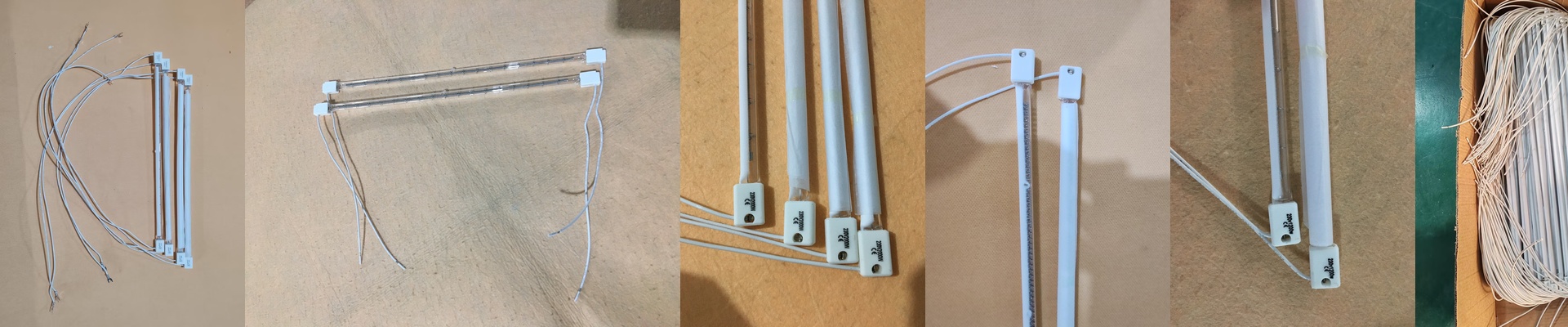
Now, you can’t just slap a cheap chip on the end of a lamp and call it a day. These things get incredibly hot—we’re talking 300°C plus. Most electronics would just melt. To make this work, we have to use high-temp ceramics and shielded wiring. Otherwise, the electrical noise from the power supply would just scramble the data. The trade-off? The assembly gets a bit bulkier. You’ll probably need to make a little extra room in your mounting brackets to fit the hardware.
What This Actually Does for the Shop Floor
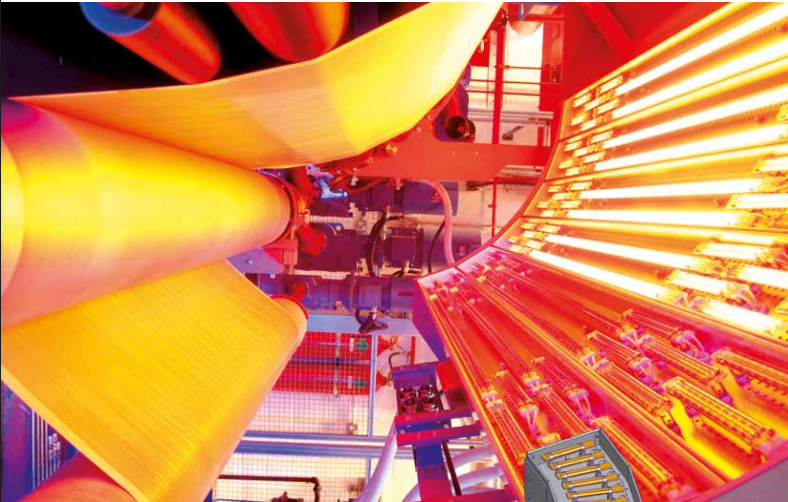
When your lamps start “talking,” the guesswork disappears. You get a digital map of the heat across the entire width of the fabric. If zone 4 is running 10 degrees cooler than zone 1, the PLC just fixes the voltage automatically. No more wasting material. No more spending hours tweaking the setup by hand. It just works.